How to Buy a House in Japan as a Foreigner: Step-by-Step Guide (2026)
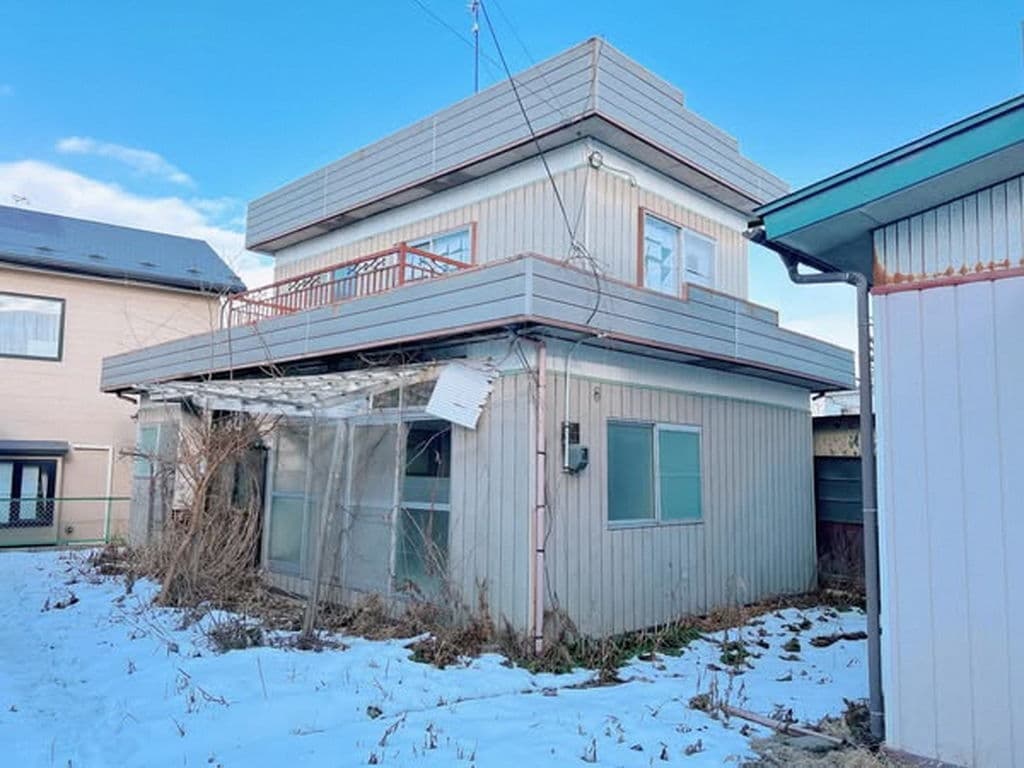
Yes — foreigners can buy a house in Japan. There is no law requiring Japanese citizenship, permanent residency, or even a visa to own Japanese real estate. A tourist can legally buy a house, register it in their own name, and own it outright. What surprises most people is not whether it is allowed, but how different the process feels from buying at home.
This guide walks through exactly how buying a house in Japan works for a foreign buyer in 2026: the steps, the paperwork, the real total cost, and the points where overseas buyers most often get stuck. If you want the short version first, our free 29-slide buying guide covers the essentials.
Step 1: Decide what and where to buy
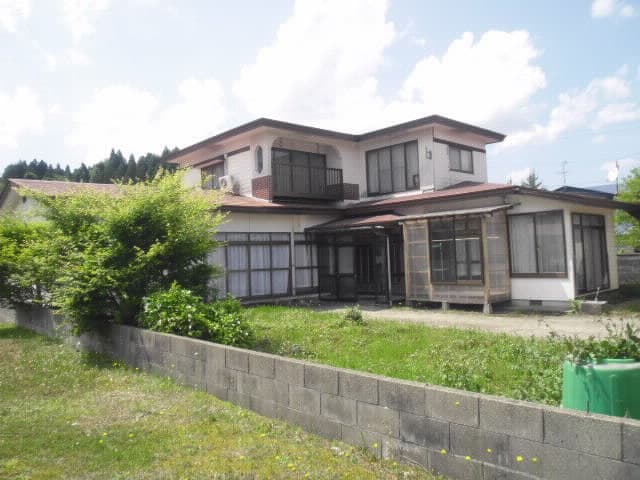
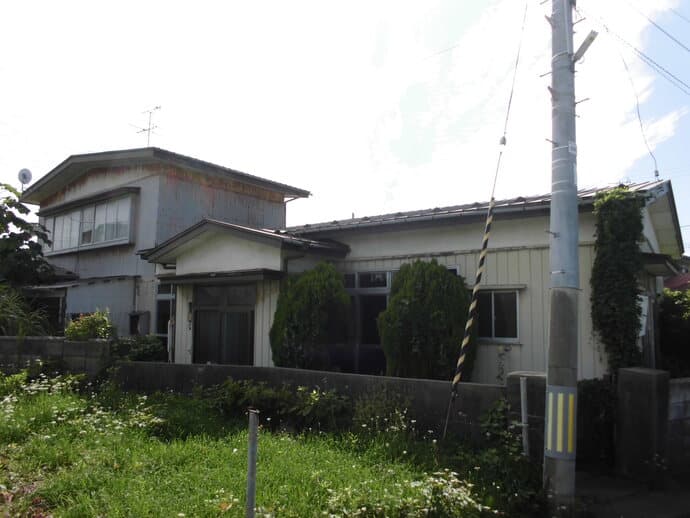
Most foreign buyers fall into one of three groups: people relocating to Japan, investors looking for affordable rental property, and buyers hunting akiya — Japan's vacant houses for a second home or renovation project. Your group decides your budget, your location, and how much condition risk you should accept.
Prices vary enormously by region. A detached house in central Tokyo can cost as much as one in New York or London, while structurally sound homes in regional cities like Akita and Hachinohe regularly list between ¥1.5 million and ¥3 million (roughly $10,000–$20,000). Our breakdown of the cheapest places to buy a house in Japan shows real current examples.
Step 2: Find the property
Foreign buyers usually search four sources:
1. Akiya banks — municipal lists of vacant houses, often the cheapest stock in the country
2. Japanese listing portals such as Suumo, Homes.co.jp and AtHome (Japanese language, huge selection)
3. Local real estate agents in the area you want to buy
4. Curated English-language listings, like our own listings page, where prices and details are translated and checked
A word of warning on akiya banks: the cheapest listings are cheap for a reason. Some cannot legally be rebuilt, some lack road access, and some need renovation costing several times the purchase price. Treat any ultra-cheap listing as the start of due diligence, not a bargain — our article on how akiya investing can go wrong lists the traps.
Step 3: Viewing and due diligence
If you are overseas, ask the agent for a live video viewing and recent photos of the roof, underfloor and water systems. If the house has been vacant for years, budget for a professional inspection before you commit. Our pre-purchase inspection service exists for exactly this situation: an on-the-ground check of structure, roof, plumbing, boundaries and legal status before your money moves.
Key checks that matter in Japan:
- Rebuildability — a house on land that cannot legally be rebuilt (sai-kenchiku fuka) is worth far less
- Registration — unregistered extensions or unclear inheritance can block a clean transfer
- Infrastructure — city water vs. well, sewer vs. septic tank, and whether vacant-house management is available locally
- Disaster maps — flood, landslide and tsunami zones are published by every municipality
Step 4: Offer, explanation, and contract
Once you choose a property, you submit a purchase application (kaitsuke) stating your price and conditions. When the seller accepts, the agent prepares the most important meeting in the process: the "Explanation of Important Matters" (juyo jiko setsumei), a legally required walkthrough of the property's legal status, delivered by a licensed agent. If your Japanese is not business-level, insist on doing this with a bilingual agent or an interpreter — this document defines what you are actually buying.
You then sign the sales contract and pay a deposit, commonly 5–10% of the price. If you are not in Japan, contracts can be signed by proxy or by mail with the right preparation, coordinated through your agent and judicial scrivener.
Step 5: Settlement and registration
At settlement you pay the remaining balance, and a judicial scrivener (shiho shoshi) registers the transfer of ownership at the Legal Affairs Bureau. You receive the registration certificate — your proof of ownership. The whole process, from offer to keys, typically takes one to two months for a cash purchase.
Cash matters: mortgages for non-residents are extremely difficult. Japanese banks generally lend to buyers with permanent residency or a long-term work visa and Japanese income. Most foreign buyers of cheap houses and akiya pay cash in full.
What it really costs: fees and taxes
The purchase price is not the total price. Budget roughly 6–10% on top for:
- Brokerage fee — for properties over ¥4 million, the legal maximum is 3% of the price + ¥60,000 + consumption tax
- Registration and judicial scrivener fees
- Real estate acquisition tax (a one-time prefectural tax, assessed after purchase)
- Stamp duty on the contract
After purchase you will pay fixed asset tax and city planning tax every year — on a cheap rural house these can be as little as a few thousand yen annually. If you will not live in the house, budget for a property manager to handle tax payments, mail, and basic upkeep; unattended houses deteriorate fast in Japan's climate.
Frequently asked questions
Does buying a house in Japan give me a visa or residency?
No. Property ownership and immigration status are completely separate in Japan. Owning a house does not grant any right to live in it long-term. Many owners use their houses within the limits of a tourist visa or run them as investments from abroad.
Can I buy a house in Japan without visiting?
Yes. With a good agent, video viewings, a professional inspection, and proxy signing, the entire purchase can be completed remotely. It is done regularly; it just requires the right team on the ground.
Can foreigners inherit or sell later?
Yes. You can sell your Japanese property at any time, and it passes to your heirs under Japanese law. Keep your registration documents — you will need them for the sale.
Your next step
Buying in Japan is genuinely open to foreigners — the buyers who succeed are the ones who verify before they commit. Browse current listings, grab the free buying guide, or book a free consultation and we will review your plan with you before you commit to anything.