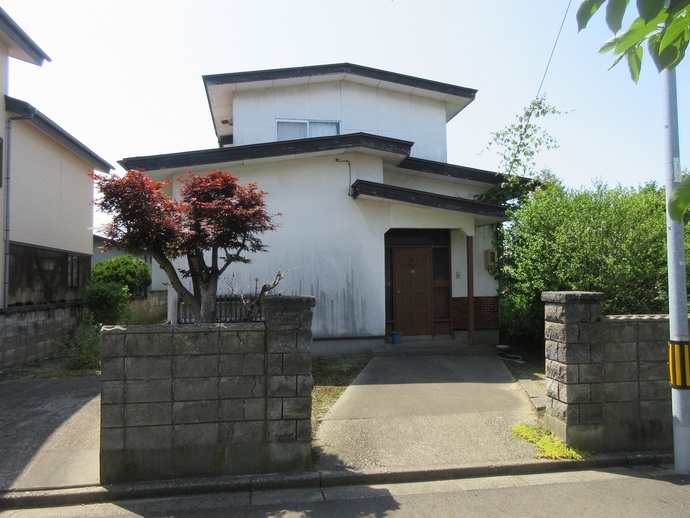
Spacious 6LDK Two-Story Home in Akita's Kawabe District with 789 sqm Land
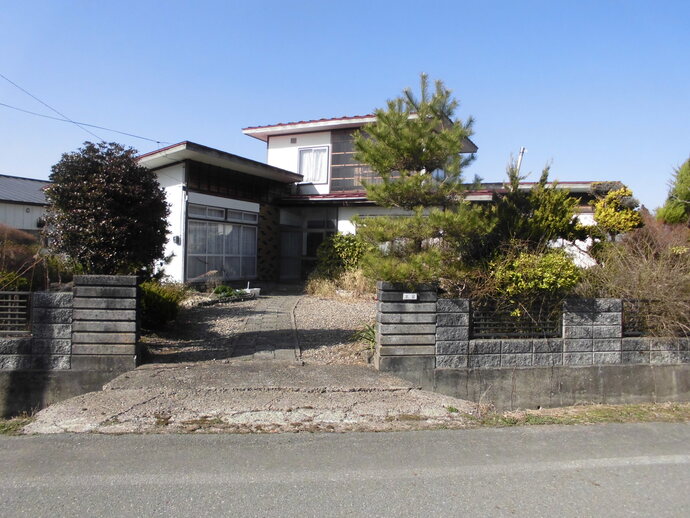
# A Showa-Era Family Home on Akita's Quiet Fringes — Six Rooms, Nearly 800 sqm, and a Price That Makes You Look Twice
Imagine waking up in a traditional Japanese farmhouse-style home, stepping outside into a generous garden plot, harvesting your own vegetables, and catching a bus into town just 100 metres from your front gate — all for less than the price of a used car in Tokyo. That's not a fantasy. That's Kawabe, Akita City, and this particular six-room home is making a compelling case for rural Japan relocation in 2024.
---
Kawabe District: Where Akita City Breathes Out
Kawabe sits on the southern outskirts of Akita City, straddling the point where urban infrastructure gives way to rice paddies, riverside greenery, and the unhurried rhythms of provincial Tohoku life. It's not remote wilderness — this is still technically Akita City, with supermarkets, schools, medical clinics, and public transport within comfortable reach. But it carries none of the density or noise of the city centre, roughly 15–20 kilometres to the north.
Akita Prefecture has one of Japan's most dramatic population decline rates, which is precisely why properties like this one exist at these price points. The region is simultaneously grappling with rural exodus and, more recently, attracting a counter-current of remote workers, artists, homesteaders, and foreign buyers who've done the maths. Kawabe fits squarely into that emerging narrative: connected enough to be liveable, quiet enough to be transformative.
---
Who Actually Fits This Property?
This isn't a weekend retreat or a speculative flip. A 136-square-metre, six-room traditional wooden home on nearly 800 square metres of land demands a buyer with genuine intention.
The most natural fit is a family or couple relocating to rural Japan — particularly those drawn to a slower-paced lifestyle, who want space to garden, work from home, or eventually run a small guesthouse or creative studio. The vegetable plot, storage shed, and generous outdoor space speak directly to that demographic. Remote workers with JPY income, retirees downsizing from Western housing costs, or small families priced out of major Japanese cities will find the value proposition almost absurd by comparison.
The estimated gross rental yield of 8.5% will catch the eye of investors, though anyone eyeing this as a pure income play should factor in renovation costs before those numbers feel solid. More realistically, this suits an owner-occupier who wouldn't mind seeing it pencil out financially over time.
---
Renovation Realities: Showa Bones, Modern Expectations
Built in August 1970, this home is a genuine Showa-era structure — timber-framed, traditionally proportioned, and carrying more than five decades of wear. The listing is candid: some repairs are needed, though no formal building survey has been conducted. That phrase — *some repairs are needed* — should prompt buyers to budget conservatively rather than optimistically.
More significantly, no seismic inspection has been carried out. The 1981 revision to Japan's Building Standards Act introduced substantially stronger earthquake-resistance requirements, and this home predates those standards. That doesn't mean it's dangerous, but it does mean you won't know where it stands structurally until a licensed inspector assesses it. Budget for that evaluation, and potentially for reinforcement work.
The kerosene-heated bath and LP gas kitchen are typical of rural Tohoku properties and are entirely functional — just not what buyers from Sydney or San Francisco might expect. A mid-range renovation budget for cosmetic upgrades, insulation improvements (critical in Akita winters), and any structural work could run ¥3–8 million depending on scope and ambition.
One additional legal wrinkle deserves attention: the sale includes an adjacent 190-sqm parcel with a storage shed that is unregistered. Acquiring an unregistered structure carries administrative complexity in Japan, and buyers should work closely with a licensed judicial scrivener (*shiho shoshi*) to regularise that title before or shortly after purchase.
The urbanisation control area zoning is also worth investigating carefully before signing. Future construction or significant redevelopment on the site may face restrictions — verify the specific permitted uses with the relevant municipal planning authority before committing.
---
Your Next Step
This Kawabe home won't stay available indefinitely — properties combining genuine scale, a functioning infrastructure connection, and sub-¥5 million pricing in a transit-accessible neighbourhood are becoming harder to find, even in Akita. If the idea of a roomy Showa home, a kitchen garden, and a bus stop at your gate sounds like the life you've been researching, the full listing details — including floor plans, photographs, and inquiry routing — are available at japancheaphouses.com. Take a proper look before someone else does.
Interested in this property?
See the full specs, photos, exact location on the map, and contact us about viewing or buying.
View Full Listing →More properties in Akita
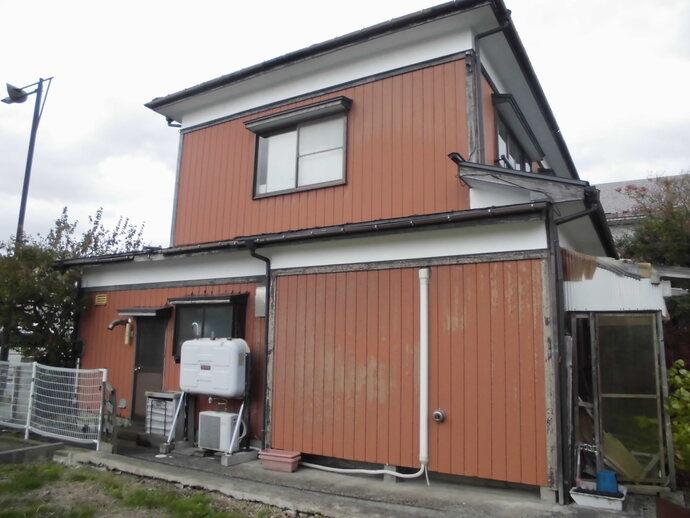
Convenient 5LDK Two-Story Home Near Akita University Hospital in Hiromo, Akita City
Hiromo Aza Ienonoshita, Akita City, Akita, Japan
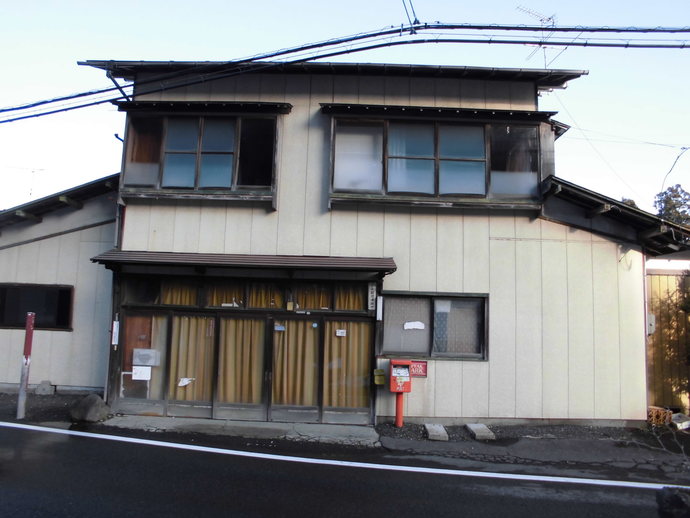
Rural 5DK Two-Story Home in Toyoiwa, Akita City with 1,071 sqm Land & Kitchen Garden
Toyoiwa Toyomaki Aza Dainichizawa, Akita City, Akita, Japan
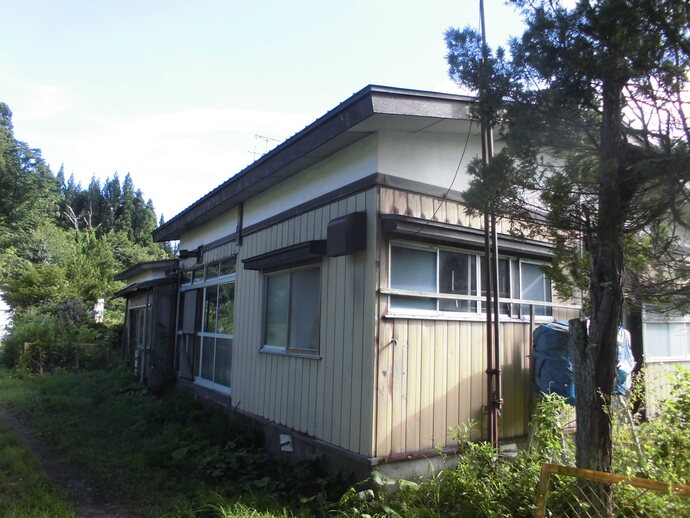
Nature-Surrounded 7DK Two-Story Home in Taihei, Akita City with 1,014 sqm Land
Taihei Yamaya, Akita City, Akita, Japan
5K Two-Story Wooden Home in Shogunno Minami, Akita City with 206 sqm Land
Shogunno Minami 5-chome, Akita City, Akita, Japan