5LDK Two-Story Home with Garage Near Kamiiiajima Station in Akita City
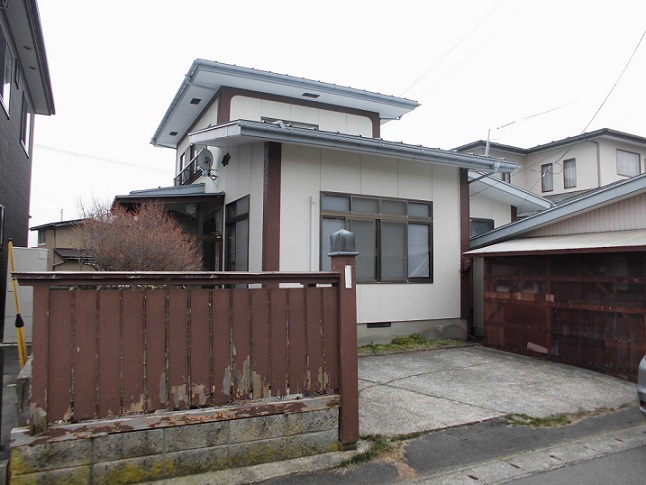
# A Spacious Family Home Near the Tracks: Is This Akita City Akiya Worth ¥8.4 Million?
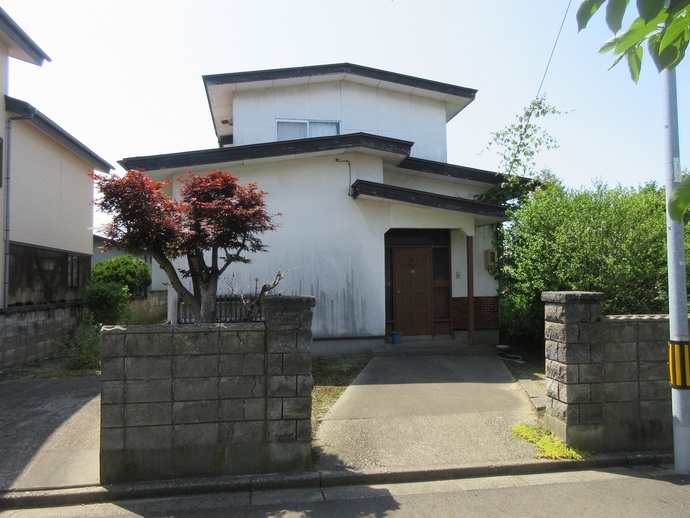
There's a certain kind of property that stops you mid-scroll. Not because it's glamorous — it isn't — but because the numbers and the square footage and the location all line up in a way that makes you do the mental arithmetic twice. A five-bedroom, two-storey wooden home in a functioning urban neighbourhood, walking distance from a train station, with parking for three cars and a kitchen garden out back — listed for roughly what you'd pay for a used sedan in some Western cities. That's the kind of property we're talking about today.
---
Akita City: More Urban Than You'd Expect
Akita City is the prefectural capital of Akita, sitting on Japan's snowy northwest coast along the Sea of Japan. It's not a remote mountain village — it's a functioning mid-sized Japanese city with hospitals, universities, supermarkets, and rail connections. This matters enormously when you're evaluating an akiya purchase, because so many vacant homes in Japan are genuinely stranded in depopulating countryside. This one isn't.
The Iijima Michihigashi neighbourhood sits within Akita City's designated Urbanisation Promotion Zone — meaning the city actually *wants* development here, not a wind-down. The property is zoned Category 2 Medium-to-High-Rise Exclusive Residential, a classification that suggests an established, stable residential streetscape rather than a scruffy mixed-use fringe. The nearest train station is under a five-minute walk away, a supermarket is within cycling distance, and an elementary school and medical centre are both reachable in minutes. For an akiya, the infrastructure story here is genuinely strong.
That said, Akita Prefecture consistently records some of Japan's highest population decline rates. The city centre holds steadier than the prefecture's rural areas, but it's not immune to long-term demographic headwinds. Any investment calculus here should factor in that context.
---
Who Is This Property Actually For?
The layout — three tatami rooms downstairs, two mixed-style rooms upstairs, a garage, a garden, and a kitchen plot — reads like a classic Japanese extended-family home from the early 1980s. With over 139 square metres of floor space, it genuinely suits a household that needs room: a family relocating from Tokyo under Japan's regional revitalisation incentives, a remote-working couple who want a proper home office *and* a spare room, or a buyer interested in the rental market at the listed gross yield estimate of around 6.5%.
That rental angle is worth examining. A five-bedroom home near a train station in a city with a university and medical centre has a plausible tenant pool — students, medical staff, families priced out of newer stock. The yield estimate, however, is gross, not net. Factor in property tax, maintenance, potential management fees, and vacancy periods in a shrinking city, and the real return picture will be more modest.
---
Renovation Reality: Budget Honestly
The 1981 build date is the number that demands the most respect here. Japan's landmark seismic building code upgrade came in 1981 — but this home was completed in May of that year, meaning it may or may not fully meet the revised standard. Critically, no seismic assessment has been conducted, and no formal structural survey has been performed. The listing notes minor repairs are required, but without professional inspection, "minor" is an assumption, not a fact.
Then there's the unregistered garage. At 13.22 sqm, it's a small structure, but an unregistered building creates real legal and title complications — particularly if you ever want to refinance, sell, or formally renovate. You'll need a Japanese legal professional to advise on resolution options before closing.
Budget realistically: a thorough structural inspection, seismic reinforcement assessment, and resolution of the registration issue should all be priced into your acquisition costs before you touch cosmetics or kitchen upgrades. Japanese wooden homes of this era can be restored beautifully — but the unknowns here are genuine unknowns, not cosmetic ones.
---
The Broader Akiya Moment — And Why This One Stands Out
Japan's akiya crisis has created a buyer's market of historic proportions, but not all vacant homes are equal opportunities. Many are listed cheaply precisely because they're structurally compromised, legally tangled, or simply too remote to use. What distinguishes this Akita City listing is the convergence of urban infrastructure, genuine liveable scale, and a city government actively managing its vacant housing stock through an official registry — a signal that institutional support for buyers exists here.
The risks are real and should be investigated, not minimised. But so is the opportunity.
Interested in learning more about this property? Full specifications, photos, and inquiry details are available on the listing page at [japancheaphouses.com](https://japancheaphouses.com). All buyer inquiries are routed through our team — we're here to help you navigate the process from first look to final keys.
Interested in this property?
See the full specs, photos, exact location on the map, and contact us about viewing or buying.
View Full Listing →More properties in Akita
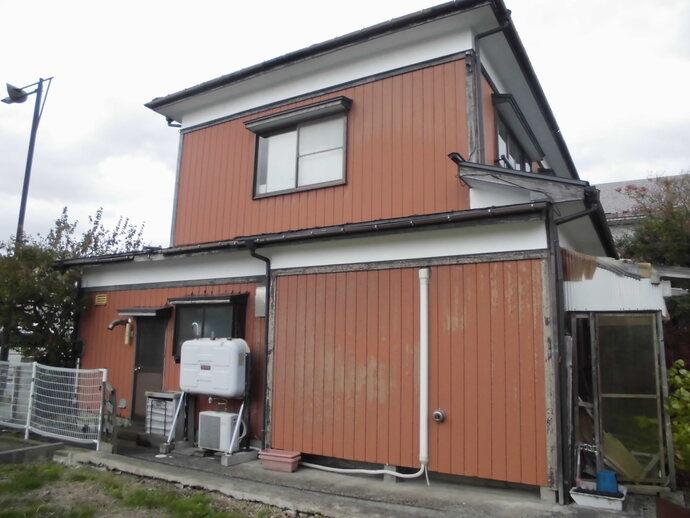
Convenient 5LDK Two-Story Home Near Akita University Hospital in Hiromo, Akita City
Hiromo Aza Ienonoshita, Akita City, Akita, Japan
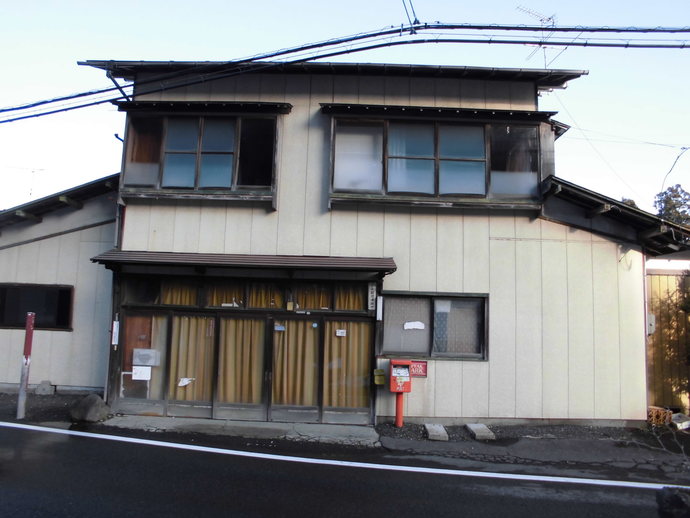
Rural 5DK Two-Story Home in Toyoiwa, Akita City with 1,071 sqm Land & Kitchen Garden
Toyoiwa Toyomaki Aza Dainichizawa, Akita City, Akita, Japan
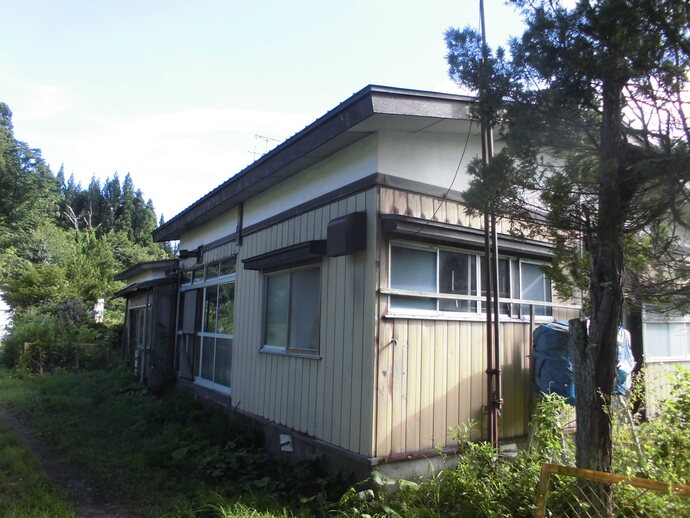
Nature-Surrounded 7DK Two-Story Home in Taihei, Akita City with 1,014 sqm Land
Taihei Yamaya, Akita City, Akita, Japan
5K Two-Story Wooden Home in Shogunno Minami, Akita City with 206 sqm Land
Shogunno Minami 5-chome, Akita City, Akita, Japan