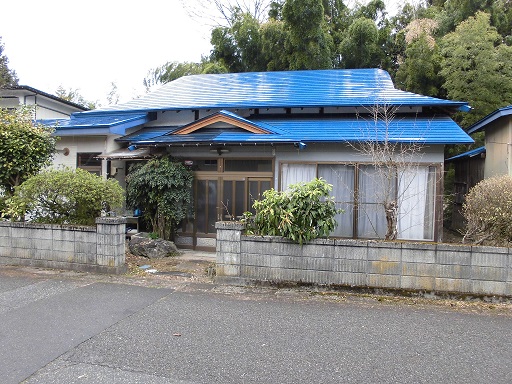
Bamboo Grove View 4DK Single-Story Home in Kawabe Sannai, Akita City — 274 sqm Land
# A Bamboo-Backed Hideaway for ¥3 Million: Is This Akita Akiya Worth the Risk?
Imagine waking up in a quiet single-story home, sliding open the fusuma screens, and looking out at a rustling bamboo grove. It costs you about the same as a secondhand car. That's not a fantasy — it's the current reality in Akita Prefecture's rural fringes, where Japan's demographic retreat has left charming wooden homes waiting for someone with vision. This particular property in Kawabe Sannai is a textbook example of the opportunity and the complexity that defines the akiya market in 2024.
---
Where on Earth Is Kawabe Sannai?
Akita City is the prefectural capital, but Kawabe Sannai sits in its quieter southwestern pocket — a district where rice paddies and bamboo thickets still define the landscape more than convenience stores do. This is Tohoku Japan at its most authentic: four distinct seasons, mountain-framed horizons, and a community pace that Tokyo residents spend years fantasizing about.
The practical reality is more nuanced. The nearest supermarket is a meaningful drive away, and the local hospital is roughly 15 kilometers distant — distances that feel manageable in summer and considerably less so when Akita's notorious snowfall arrives. On the plus side, a bus stop sits just 200 meters from the front door, which is genuinely rare for properties at this price point. For buyers who aren't ready to commit fully to car dependency, that proximity to public transport is worth noting.
Schools are nearby, which signals this is still a living community — not a ghost district. Families exploring a slower, more grounded lifestyle in Japan will find that the basic infrastructure for daily life exists here, even if it requires adjustment.
---
Who Actually Should Buy This Property?
Be honest with yourself before falling in love with the bamboo grove view. This home suits a specific buyer profile.
The strongest candidate is someone already comfortable with Japanese bureaucracy and construction norms — perhaps a foreign buyer on their second or third akiya transaction, or someone partnered with a bilingual architect or contractor. The reason: this property carries a stack of caveats that demand professional navigation. The building is unregistered, meaning the new owner must complete formal registration between contract signing and handover. That process isn't insurmountable, but it requires a qualified judicial scrivener (*shiho shoshi*) and adds both cost and administrative friction.
The 4DK single-story layout — with its blend of tatami rooms and a Western-style bedroom — also suits someone who either appreciates traditional Japanese living or has a renovation plan that preserves the home's inherent character while modernizing the essentials.
---
Renovation Reality: Budget for More Than You Think
A ¥3,000,000 purchase price is the beginning of the financial conversation, not the end. At 74 years old and with no building condition survey on record, this home is genuinely unknown territory until a qualified inspector walks through it. The listing honestly flags that "some repairs are required" — language that in Japan's understated disclosure culture can mean anything from cosmetic touch-ups to structural surprises.
No seismic resistance inspection has been conducted. This matters. Homes built before the 1981 revised building code are not guaranteed to meet modern earthquake standards, and Akita, while not among Japan's highest-risk seismic zones, is not immune. A full seismic reinforcement project can cost ¥1–3 million or more depending on findings, and buyers should budget for this scenario rather than hope for the best.
Utilities are largely connected and functional — electricity, mains water, public sewage — which removes one layer of renovation cost that plagues more remote akiya. The LPG setup for kitchen and bath is standard in rural Japan and not a red flag. The storage shed, snow-disposal area, and single parking space round out a property that, structurally complex as it may be, has been set up for real human habitation.
---
The Urbanization Control Zone Question
The zoning designation here deserves its own moment of attention. Properties in Urbanization Control Areas face restrictions on rebuilding and redevelopment. This one benefits from a designated relaxation zone classification and pre-demarcation residential status, which softens those restrictions — but the exact scope of what you *can and cannot* build or modify must be verified directly with the relevant Akita City planning authority before any commitment is made. This is non-negotiable due diligence, not optional homework.
---
If you're drawn to the idea of a serene, manageable single-story home with genuine character, a real garden, and a bamboo grove for a backyard — and you're prepared to invest in proper inspections, professional registration support, and a realistic renovation budget — this Kawabe Sannai listing deserves serious consideration. Head over to the full listing on japancheaphouses.com to review the detailed specifications and get in touch through the site to take the next step.
Interested in this property?
See the full specs, photos, exact location on the map, and contact us about viewing or buying.
View Full Listing →More properties in Akita
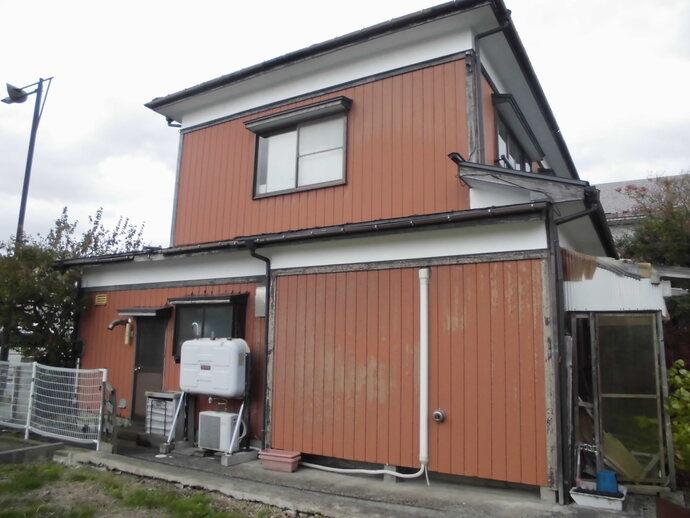
Convenient 5LDK Two-Story Home Near Akita University Hospital in Hiromo, Akita City
Hiromo Aza Ienonoshita, Akita City, Akita, Japan
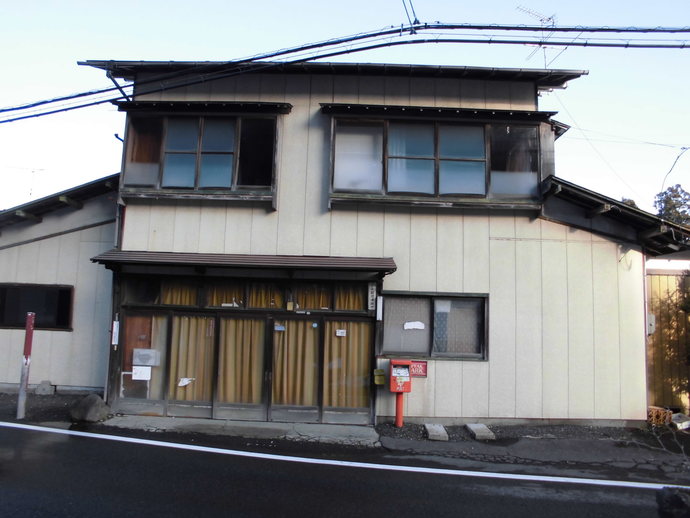
Rural 5DK Two-Story Home in Toyoiwa, Akita City with 1,071 sqm Land & Kitchen Garden
Toyoiwa Toyomaki Aza Dainichizawa, Akita City, Akita, Japan
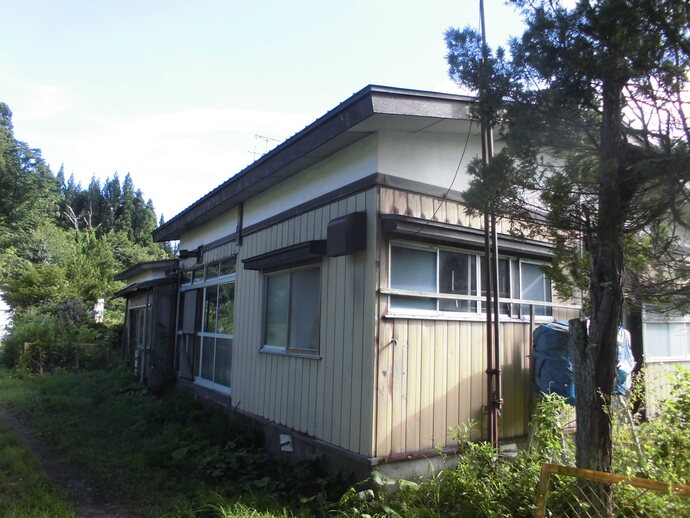
Nature-Surrounded 7DK Two-Story Home in Taihei, Akita City with 1,014 sqm Land
Taihei Yamaya, Akita City, Akita, Japan
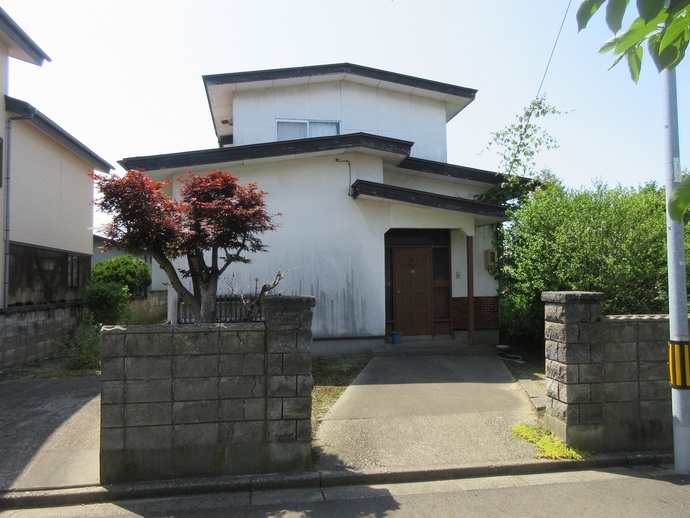
5K Two-Story Wooden Home in Shogunno Minami, Akita City with 206 sqm Land
Shogunno Minami 5-chome, Akita City, Akita, Japan