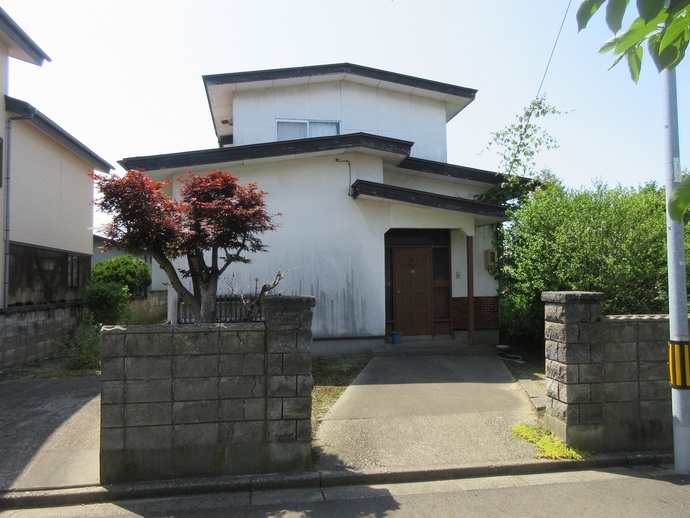
6LDK Two-Story Home Near National Route 7 in Kanaashi, Akita City — 144 sqm Floor Area
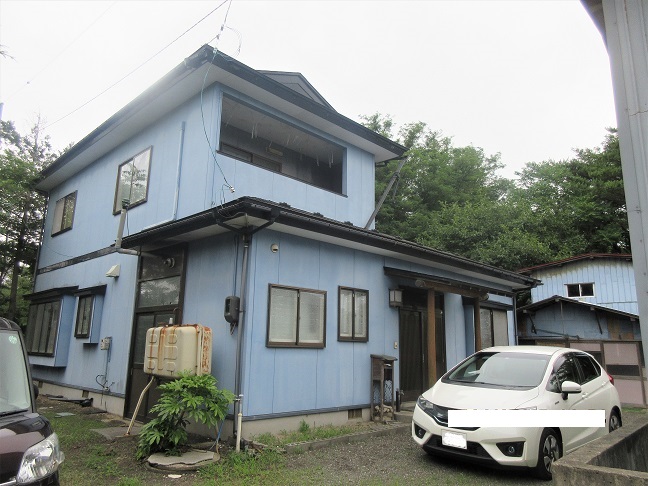
# A Six-Room Family Home in Akita City for Under $55K — But Read the Fine Print First
There's a certain kind of buyer who sees a 144-square-metre, six-bedroom house on a 330-square-metre lot for ¥8 million and immediately starts doing the maths. If that's you, keep reading — because this Kanaashi property in Akita City is genuinely interesting, but it comes with layers worth understanding before you fall in love with the floor plan.
---
Kanaashi: Akita City's Quieter, More Practical Side
Akita City is the prefectural capital of Akita — a proper city with hospitals, universities, a shinkansen connection, and a functioning economy, not an isolated hamlet clinging to a mountainside. The Kanaashi Shimokari district sits in the city's outer ring, close enough to National Route 7 to make car-based living entirely comfortable while sitting well outside the urban core's noise and density.
This is semi-rural Japan in its most liveable form. You're within walking distance of a bus stop, less than a kilometre from an elementary school, and roughly two kilometres from a supermarket. Oiwake Station is reachable by bicycle. The trade-off is that you're not going to stroll to a coffee shop on a whim — this neighbourhood rewards those who enjoy the quiet rhythms of everyday Japanese provincial life, not those seeking urban convenience.
Akita Prefecture is famous for cold winters and heavy snowfall, and this property acknowledges that reality directly: there's a dedicated snow disposal area on the lot. That's not a selling point to gloss over. Heating costs in Akita can be significant, and a kerosene-heated bath and LPG kitchen mean ongoing fuel bills that buyers from milder climates should research carefully.
---
Who This Property Is Actually For
A 6LDK layout across two floors — with a grand 18-mat LDK downstairs, three tatami rooms, and three Western-style rooms upstairs — is a lot of house. This suits a large family, a multigenerational household, or a buyer with clear plans for the extra space. Remote workers who want dedicated office rooms, creatives needing studio space, or small guesthouses (民泊, minpaku) are natural fits. The estimated gross rental yield of 7.5% is worth noting for investors, though yields in smaller regional cities carry more vacancy risk than the headline number suggests — verify local rental demand before banking on that figure.
What this property is *not* suited to is a buyer who wants to move in with minimal effort. Repairs are formally required, and the scope hasn't been fully defined in the listing. Budget accordingly — and then budget some more.
---
Renovation Realities and Legal Constraints
Here's where careful reading matters. The property has been flagged as requiring repair, but no independent building condition survey has been carried out — and crucially, no seismic assessment has been done. Japan updated its seismic standards significantly in 1981 and again in 2000. A home built in January 1998 sits between those two benchmarks, which means it meets the 1981 "new" standards but may not fully satisfy the stricter 2000 criteria. Without a professional inspection, the structural picture is incomplete. Commission one before committing.
The zoning classification deserves equal attention. The land sits within a *Shigaika Chōsei Kuiki* — an urbanisation control zone — which ordinarily imposes tight restrictions on new construction. Fortunately, this property falls within a relaxed zone under Article 34, Item 11 of the City Planning Act, which eases those restrictions for existing residents. However, any reconstruction, extension, or significant structural alteration still requires a formal permit under the Building Standards Act. If your renovation plans involve tearing down walls or adding a floor, that approval process is not optional and not always fast. Engage a local *jimu-sho* (architect's office) or construction firm familiar with Akita City's planning requirements early in the process.
---
The Akiya Context — and Why This Listing Stands Out
Japan's akiya phenomenon is well-documented: millions of vacant homes, many given away or sold at token prices, mostly in rural or post-industrial areas with shrinking populations. Akita Prefecture has one of Japan's highest akiya rates and one of its steepest population declines. That context matters because it both creates opportunity and sets a ceiling on speculative upside. This is not a property you buy expecting Tokyo-style appreciation.
What it *is* is a genuinely large, structurally plausible family home in a real city — registered with Akita City's official akiya programme — at a price point that would barely buy a car park space in central Osaka. For a buyer with clear-eyed expectations, practical renovation skills or a renovation budget, and a genuine desire to live in or invest in regional Japan, the numbers are hard to dismiss.
Explore the full specifications, photos, and listing details at japancheaphouses.com, where you can submit your inquiry and get connected with the right people to move this forward.
Interested in this property?
See the full specs, photos, exact location on the map, and contact us about viewing or buying.
View Full Listing →More properties in Akita
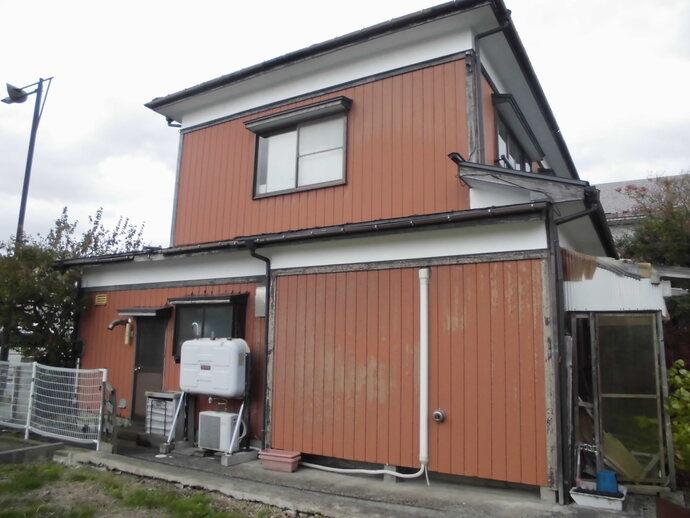
Convenient 5LDK Two-Story Home Near Akita University Hospital in Hiromo, Akita City
Hiromo Aza Ienonoshita, Akita City, Akita, Japan
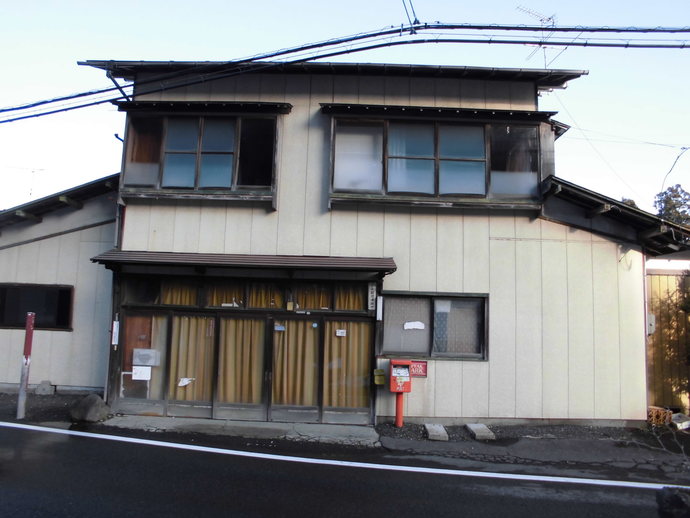
Rural 5DK Two-Story Home in Toyoiwa, Akita City with 1,071 sqm Land & Kitchen Garden
Toyoiwa Toyomaki Aza Dainichizawa, Akita City, Akita, Japan
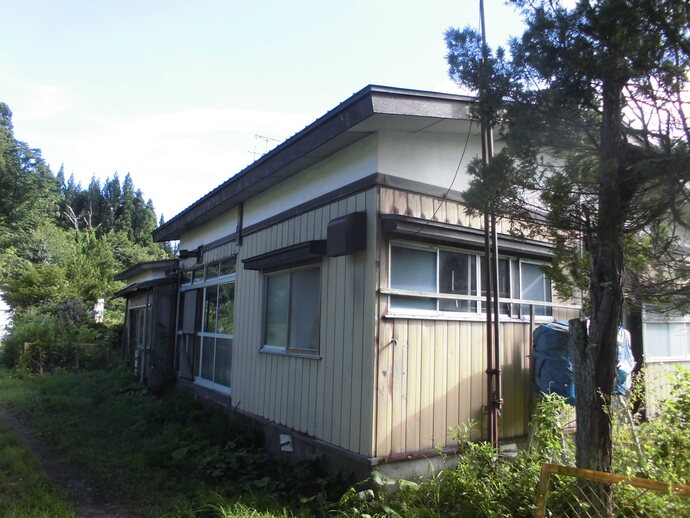
Nature-Surrounded 7DK Two-Story Home in Taihei, Akita City with 1,014 sqm Land
Taihei Yamaya, Akita City, Akita, Japan
5K Two-Story Wooden Home in Shogunno Minami, Akita City with 206 sqm Land
Shogunno Minami 5-chome, Akita City, Akita, Japan