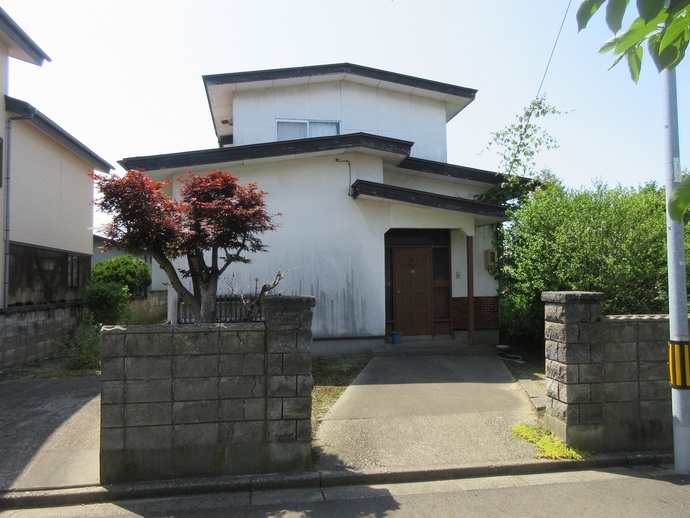
Single-Story 5K Home Near Jietai-dori in Shōgunno Higashi, Akita City — 257 sqm Land
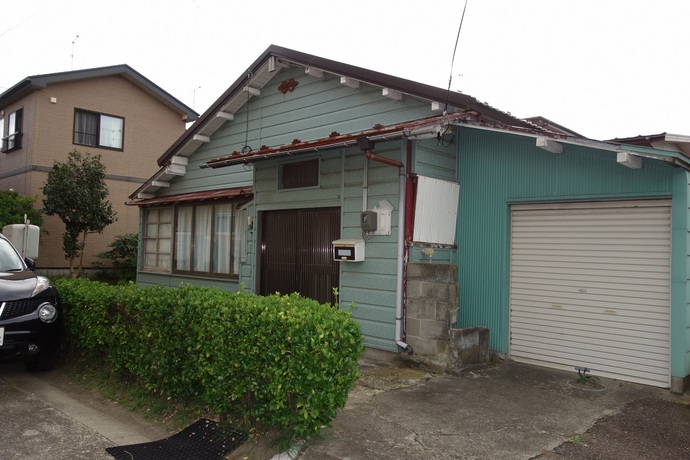
# A Quiet Corner of Akita City With Serious Potential: The Shōgunno Higashi Bungalow
Imagine waking up in a five-room wooden bungalow, snow piling quietly in the garden outside, a kerosene-heated bath warming the back of the house, and the gentle hum of a city that still feels like a city — not the remote wilderness that "akiya" sometimes conjures. That's the quietly compelling reality of this single-storey home near Jietai-dori in Akita City. At around $40,000 USD, it's priced like a gamble but located like an investment.
---
Akita City: More Infrastructure Than the Stereotype Suggests
Akita often gets lumped in with Japan's rural depopulation narrative, and while the prefecture as a whole faces real demographic headwinds, Akita *City* is a different proposition. It's a prefectural capital with universities, hospitals, transit links, and a functioning local economy. Shōgunno Higashi sits within the urban fabric rather than on its fringes — Tsuchizaki Station is reachable on foot, a supermarket is less than a kilometer away, and Akita Kosei Medical Center is nearby enough to matter if you're thinking about long-term livability or renting to older tenants.
The neighborhood's proximity to Jietai-dori — the avenue running past the Japan Ground Self-Defense Force base — gives the area a particular character: steady, working-class, practical. It's not a tourist quarter or a trendy revitalization zone. What it offers instead is normalcy, and in the akiya market, that's underrated.
---
Who Should Be Looking at This Property?
This is not a weekend-project flip. The listing is candid that the building requires *extensive* repairs, no structural surveys have been conducted, and the construction date of 1958 means the home predates modern seismic codes by over two decades. An unregistered extension adds another layer of legal complexity that will require professional due diligence before any transaction closes.
That said, the right buyer profile is real. A Japan-based investor or developer comfortable navigating older wooden stock — and who can commission proper inspections before committing — will find a generous 257 sqm land parcel zoned for Category-1 Residential use in an area with genuine rental demand. The estimated 7% gross yield signals that local rents can support the numbers, provided renovation costs are controlled.
Alternatively, the seller's willingness to deliver the site as cleared land opens a second path: demolish and build new. For a buyer less interested in preserving the Shōwa-era character and more interested in a clean slate in a functional urban location, that option quietly changes the entire calculus.
---
Renovation Reality: Eyes Open, Budget Padded
Let's be honest about what a 1958 all-wood bungalow in Akita demands. Akita winters are punishing — heavy snowfall, sustained cold, and the freeze-thaw cycle are relentless on older structures. The kerosene bath and the dedicated snow-disposal area in the garden aren't charming quirks; they're reminders of the climate this building has been fighting for over sixty years.
The five tatami-room layout (ranging from 4.5 to 8 mats) is deeply traditional and appealing to the right tenant, but updating insulation, addressing potential asbestos in materials from that era, and bringing the structure into line with current seismic standards will require professional assessment and likely substantial investment. Budget conservatively — a full structural survey, asbestos testing, and a realistic contractor quote should all happen *before* purchase, not after. The unregistered extension in particular needs a legal specialist to assess whether it creates title risk or can be formally registered.
None of this is disqualifying. It's just the homework.
---
The Broader Akiya Moment — And Why Location Still Wins
Japan's akiya count continues to rise, and properties like this one — registered with the city's own akiya bank — represent the more transparent end of the market. The price has already been revised downward from its original listing, which suggests motivated circumstances and potential room for negotiation.
What separates this from a remote countryside akiya is the urban context. Public water, public sewerage, city gas, bus service 250 meters from the front door — these are not guaranteed in rural listings, and their absence can add tens of thousands of dollars to any renovation budget.
If you're serious about akiya investment in northern Japan and want a property with genuine urban bones, this Shōgunno Higashi bungalow deserves a closer look. Visit the full listing on japancheaphouses.com to see all specifications, photos, and inquiry details — and start your due diligence from there.
Interested in this property?
See the full specs, photos, exact location on the map, and contact us about viewing or buying.
View Full Listing →More properties in Akita
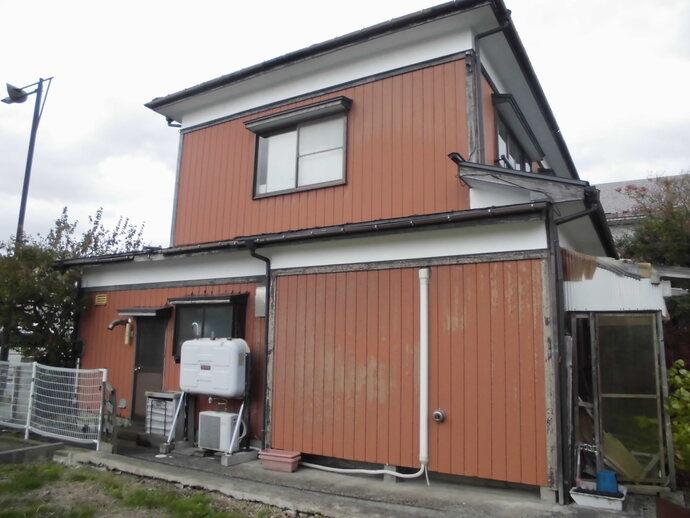
Convenient 5LDK Two-Story Home Near Akita University Hospital in Hiromo, Akita City
Hiromo Aza Ienonoshita, Akita City, Akita, Japan
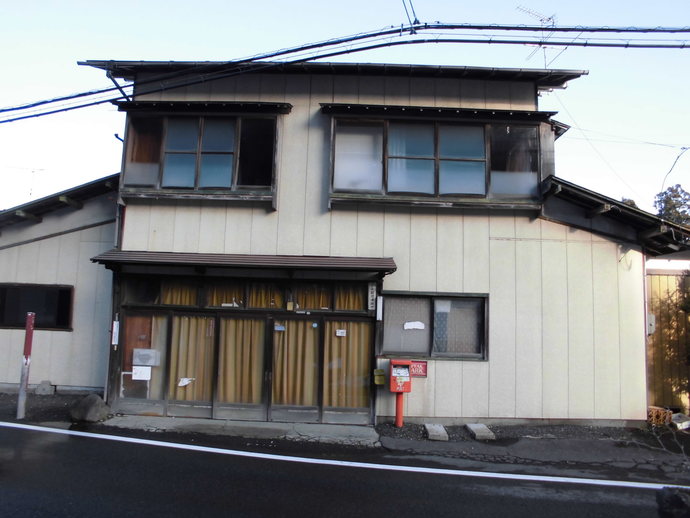
Rural 5DK Two-Story Home in Toyoiwa, Akita City with 1,071 sqm Land & Kitchen Garden
Toyoiwa Toyomaki Aza Dainichizawa, Akita City, Akita, Japan
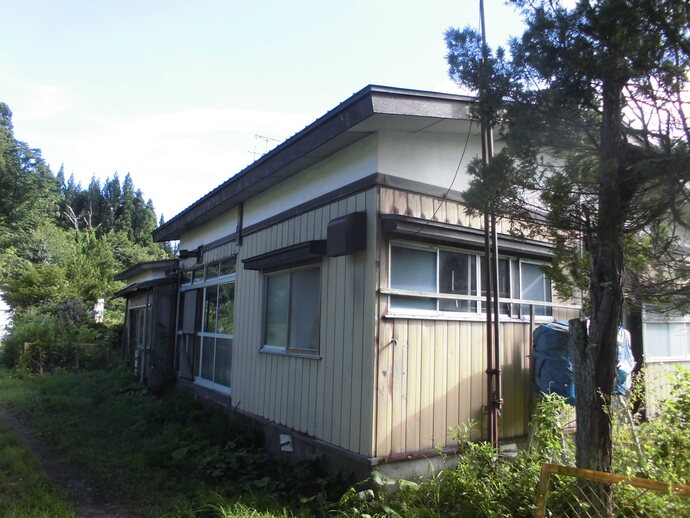
Nature-Surrounded 7DK Two-Story Home in Taihei, Akita City with 1,014 sqm Land
Taihei Yamaya, Akita City, Akita, Japan
5K Two-Story Wooden Home in Shogunno Minami, Akita City with 206 sqm Land
Shogunno Minami 5-chome, Akita City, Akita, Japan