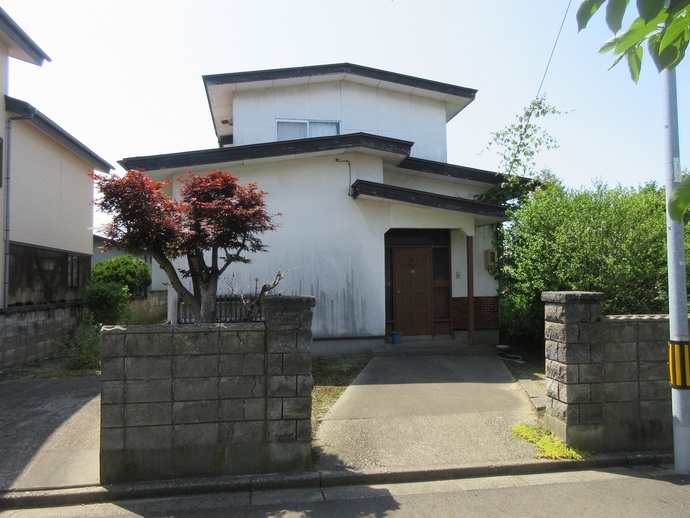
4DK Two-Story Wooden Home Near Route 13 in Niida, Akita City — 118 sqm Floor Area
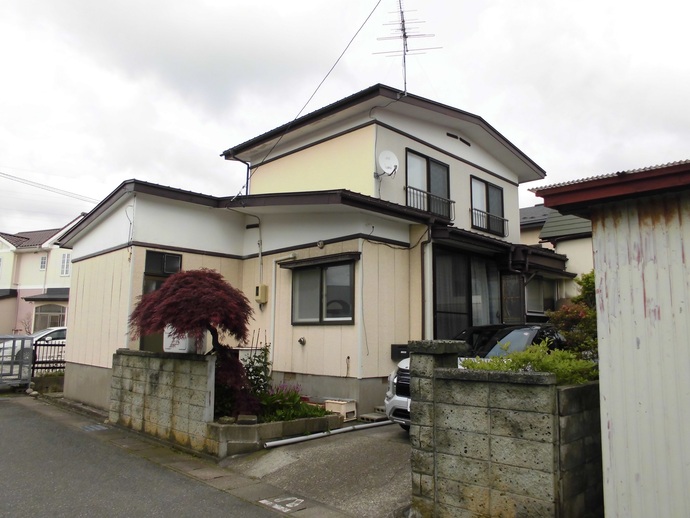
# A 50-Year-Old Family Home Near Akita City Centre — Is ¥6.8 Million a Steal or a Stretch?
Imagine buying a four-bedroom, two-storey house in a real Japanese city — with parking for three cars, a garden, a storage shed, and bus access around the corner — for the price of a decent used car in the United States. That's the reality on the table in Niida Katanaka-machi, and for the right buyer, it's a genuinely compelling proposition. But "compelling" and "straightforward" are different things entirely, and this property deserves an honest look from both angles.
---
Akita City's Niida District: Urban Convenience Without the Urban Price Tag
Akita City is not a rural backwater. It's the prefectural capital of Akita Prefecture, home to around 300,000 people, and a functioning mid-sized Japanese city with hospitals, universities, shopping centres, and reliable train links. The Niida area, specifically Katanaka-machi, sits in the city's southern residential belt — the kind of established neighbourhood where families have lived for generations, where streets are quiet but errands are genuinely walkable.
National Route 13 access means the property connects easily to both the city core and the wider Tohoku region by car. A local shopping centre sits under a kilometre away. A primary school is nearby. A hospital is within a few kilometres. This is not a property where you'll be driving 40 minutes for groceries — and that distinction matters enormously when assessing livability, rental viability, and eventual resale.
The zoning is worth noting too. Sitting within an Urbanisation Promotion Area and a Residential Inducement Zone under Akita City's location normalisation plan signals that the city *wants* residential development here. That's meaningful policy context in a Japan where some rural zones face active shrinkage planning.
---
Who Is This Property Actually For?
The 4DK layout across two floors — a generous 118 square metres — suits several buyer profiles, but not all equally.
A family relocating to Akita for work or lifestyle would find the space genuinely liveable. Four distinct rooms, a western-style bedroom upstairs, a ground-floor dining-kitchen, and tatami rooms that could serve as flex spaces for a home office or guest room — this is a functional family home, not a fixer-upper curiosity.
An investor targeting the rental market will be drawn to that 7.1% estimated gross yield. In a city where demand from local workers, students, and healthcare professionals keeps modest rents steady, a well-maintained 4DK in a connected neighbourhood has legitimate appeal. Gross yield is not net yield, of course — factor in property tax, management fees, and renovation costs before pencilling in those returns.
A remote worker or semi-relocator looking for a genuine Japanese base at a fraction of Tokyo pricing will find the balance of urban infrastructure and affordability hard to match.
---
Renovation Reality: A 1974 Build Requires Honest Eyes
Built in October 1974, this wooden-frame home is fifty years old, and that age comes with obligations. The listing is upfront about two significant facts: no seismic assessment has been conducted, and no building condition survey has been carried out. Some repairs are also explicitly noted as necessary.
In plain terms: you are buying a property of unknown structural and seismic condition. Japan's modern seismic standards (the "new standard") came into force in 1981. A 1974 build predates that revision, which means the home may not meet current earthquake-resistance requirements without retrofitting work.
Commission an independent structural inspection before exchanging contracts — this is non-negotiable. A licensed home inspector (*kenchiku shi*) can assess the condition of the wooden frame, foundations, roof, and plumbing. Seismic retrofitting, if required, can range from a few hundred thousand yen for minor reinforcement to well over ¥2 million for comprehensive work. Budget realistically. The kerosene-heated bath system is also an older setup that many buyers choose to replace with a modern gas or heat-pump unit.
None of this makes the property a poor choice — it makes it a *considered* choice.
---
The Broader Akiya Picture: Why Akita, Why Now
Akita Prefecture consistently records some of Japan's highest vacancy rates. Demographic decline is real and ongoing, and the government — both at national and prefectural level — is actively incentivising both domestic and foreign buyers to occupy vacant homes. The Residential Inducement Zone designation on this property reflects exactly that policy push.
For international buyers, Akita City offers something rarer than it sounds: a real city, with real infrastructure, at akiya pricing. That combination doesn't last forever. Properties in genuinely convenient urban locations tend to move faster than their deep-rural counterparts, and ¥6.8 million for 118 square metres in a connected residential district represents a narrow window.
Ready to explore this Akita City property further? Head to the full listing at [japancheaphouses.com](https://japancheaphouses.com) to review the complete specifications, photographs, and inquiry details. All questions route through the site — your starting point for navigating this opportunity the right way.
Interested in this property?
See the full specs, photos, exact location on the map, and contact us about viewing or buying.
View Full Listing →More properties in Akita
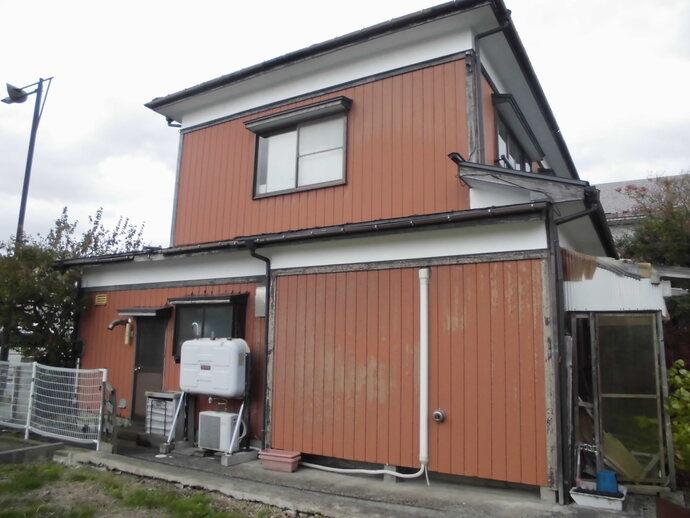
Convenient 5LDK Two-Story Home Near Akita University Hospital in Hiromo, Akita City
Hiromo Aza Ienonoshita, Akita City, Akita, Japan
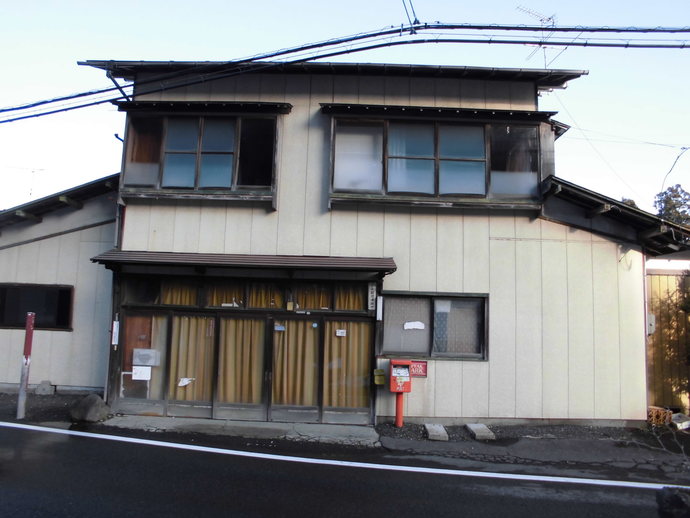
Rural 5DK Two-Story Home in Toyoiwa, Akita City with 1,071 sqm Land & Kitchen Garden
Toyoiwa Toyomaki Aza Dainichizawa, Akita City, Akita, Japan
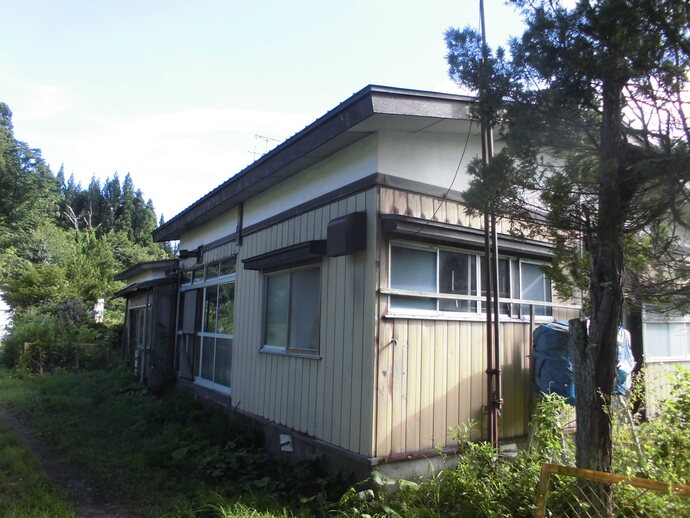
Nature-Surrounded 7DK Two-Story Home in Taihei, Akita City with 1,014 sqm Land
Taihei Yamaya, Akita City, Akita, Japan
5K Two-Story Wooden Home in Shogunno Minami, Akita City with 206 sqm Land
Shogunno Minami 5-chome, Akita City, Akita, Japan