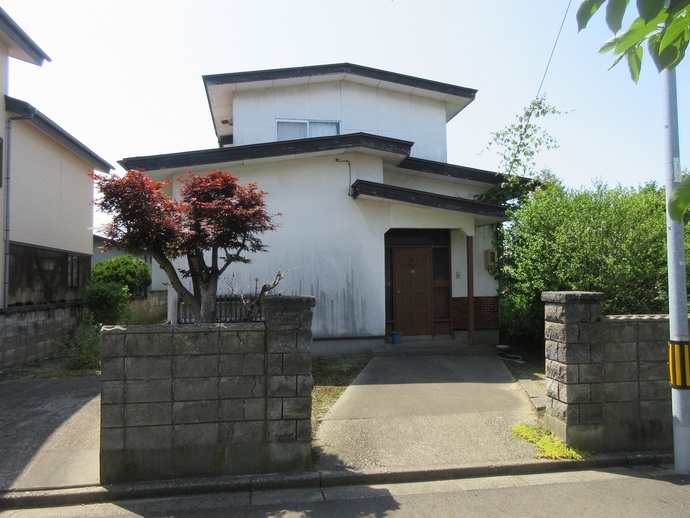
7DK Two-Story Wooden Home Near Supermarket in Shin'ya, Akita City — 234 sqm Land
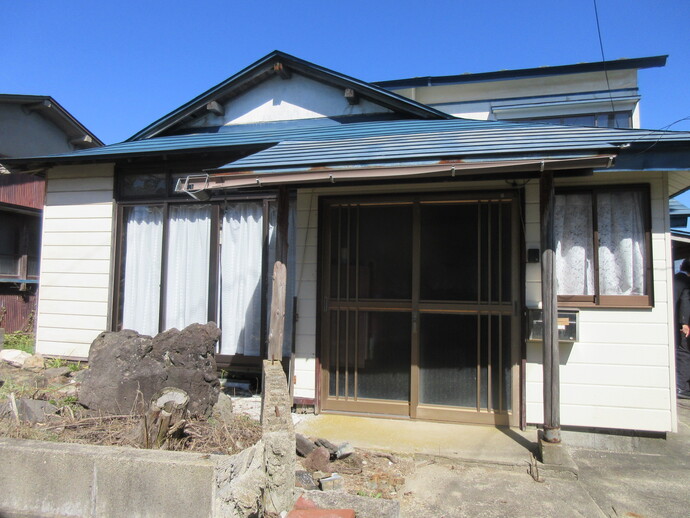
# A Spacious Seven-Room Home in Akita City for Under $20,000 — But Read the Fine Print
Imagine owning a 134-square-metre, seven-room Japanese home with a garden, a vegetable patch, and a snow-disposal yard — all for roughly the price of a decent used car in the West. That's the headline offer in Shin'ya Senbamachi, a quiet residential corner of Akita City. But this property, like most things priced under ¥3 million in Japan, rewards careful buyers and punishes impulsive ones. Here's the full picture.
---
Akita City: A Fading Giant with a Liveable Core
Akita Prefecture consistently ranks among Japan's most rapidly depopulating regions, which explains why a two-storey wooden home on a 234-square-metre lot can trade for less than ¥3 million. But Akita *City* — the prefectural capital — is a different animal from the deep countryside. With a population still hovering around 300,000, it retains genuine urban infrastructure: hospitals, schools, bus networks, and yes, actual supermarkets within walking distance.
Shin'ya Senbamachi itself sits within a Category 1 Residential Zone — a planning designation that signals a quiet, low-rise neighbourhood protected from commercial intrusion. A bus stop barely 200 metres away connects residents to the broader city, and Akita City General Hospital is only a short drive or bus ride across town. For an akiya priced in this bracket, the urban convenience factor here is genuinely unusual. Most properties at this price point involve narrow mountain roads and the nearest combini being 20 kilometres away. This one doesn't.
---
Who Is This Property Actually For?
The seven-room layout — a mix of traditional tatami spaces and Western-style rooms — makes this home surprisingly versatile. A buyer converting this into a guesthouse or short-term rental would find the room count and floor plan conducive to hosting multiple guests simultaneously, and the estimated gross yield of 8.3% reflects that theoretical upside. The nearby hospital also makes this area attractive for long-term rental to medical staff or students — a demographic that tends to prefer established urban neighbourhoods over rural isolation.
That said, this is equally a strong candidate for a family relocation buyer or a remote worker seeking an affordable Japanese base with real city amenities. The vegetable patch and garden add lifestyle appeal, and the dedicated snow-disposal area — a detail that reveals how seriously Akita takes its winters — shows the property has been adapted for genuine year-round habitation rather than seasonal use.
---
Renovation Expectations: Budget Generously, Plan Methodically
Built in 1955 with an extension added in 1964, this home is approaching 70 years old. The listing is explicit: major repairs are required. More significantly, no seismic assessment and no building condition survey have been conducted, which means the true structural picture is unknown going in. Akita experiences cold winters and occasional seismic activity, and wooden homes of this era were built before Japan's landmark 1981 earthquake-resistance standards overhaul.
Realistically, buyers should approach this expecting to invest somewhere between ¥3 million and ¥8 million or more in repairs, depending on what structural and systems inspections reveal. Roof integrity, foundation condition, insulation (virtually nonexistent in most Showa-era homes), and plumbing all need independent evaluation before any renovation budget is finalised. Commission a *kenchiku-shi* (licensed architect) or home inspector before signing anything. Utilities are connected — electricity, public water, sewerage, and city gas — which removes one common rural headache, but that's a starting point, not a finish line.
---
The Road Access Issue: A Risk That Demands Resolution Before Purchase
Here is the single most important detail in this listing, and it deserves its own section. The front road is a private road, and the current seller holds no ownership share in it. In practical terms, this means the property lacks a formal legal right-of-way interest in its own access. The downstream consequences can be serious: mortgage lenders routinely decline financing on properties without legal road access, rebuilding permits may be refused, and future resale becomes considerably harder.
This is not necessarily a dealbreaker — many such situations are resolved through written usage agreements with the road's owner — but it *must* be investigated and documented before any purchase commitment. Engage a *shiho-shoshi* (judicial scrivener) or *tochi-kaoku-chosaishi* (land and building surveyor) to clarify the current arrangement and, ideally, formalise any access rights in writing before closing.
---
This property sits at a genuine crossroads: unusually urban convenience for an akiya at this price, a flexible floor plan with real income potential, and a liveable city context — all undermined by a structural unknown and a road access issue that could complicate financing and resale. For a patient buyer who does the legal and structural due diligence *before* committing, this could be a remarkable foundation for a Japanese lifestyle or investment project. Ready to dig deeper? Browse the full listing details and connect with the team at japancheaphouses.com to start your enquiry.
Interested in this property?
See the full specs, photos, exact location on the map, and contact us about viewing or buying.
View Full Listing →More properties in Akita
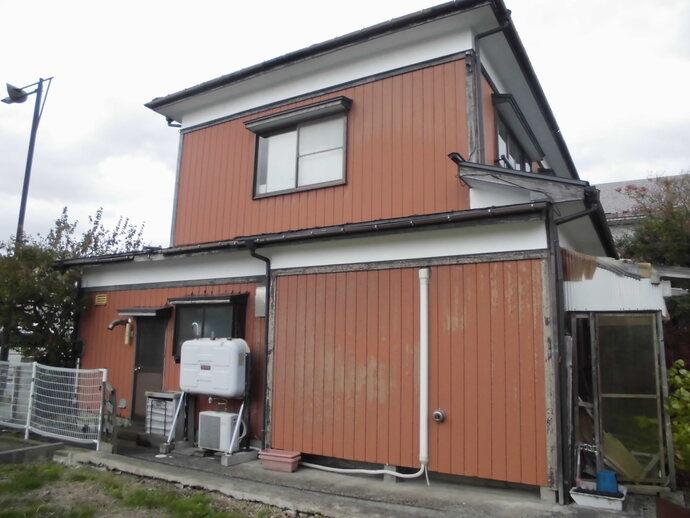
Convenient 5LDK Two-Story Home Near Akita University Hospital in Hiromo, Akita City
Hiromo Aza Ienonoshita, Akita City, Akita, Japan
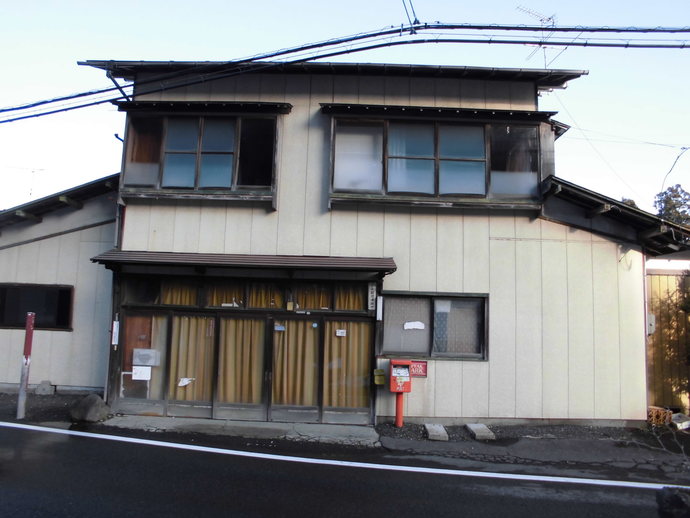
Rural 5DK Two-Story Home in Toyoiwa, Akita City with 1,071 sqm Land & Kitchen Garden
Toyoiwa Toyomaki Aza Dainichizawa, Akita City, Akita, Japan
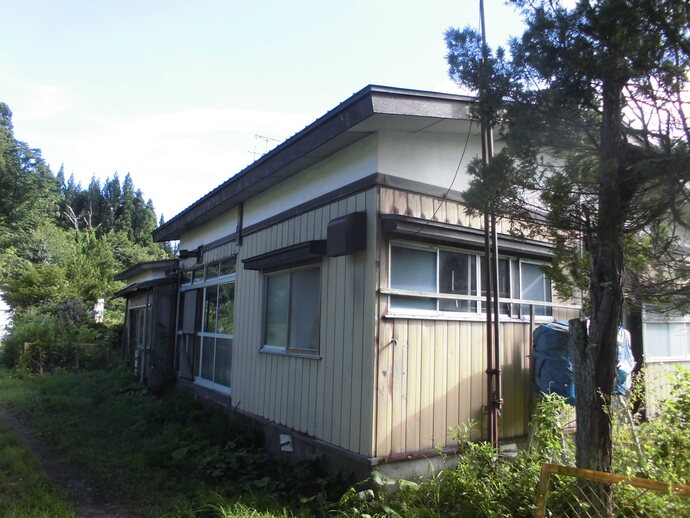
Nature-Surrounded 7DK Two-Story Home in Taihei, Akita City with 1,014 sqm Land
Taihei Yamaya, Akita City, Akita, Japan
5K Two-Story Wooden Home in Shogunno Minami, Akita City with 206 sqm Land
Shogunno Minami 5-chome, Akita City, Akita, Japan