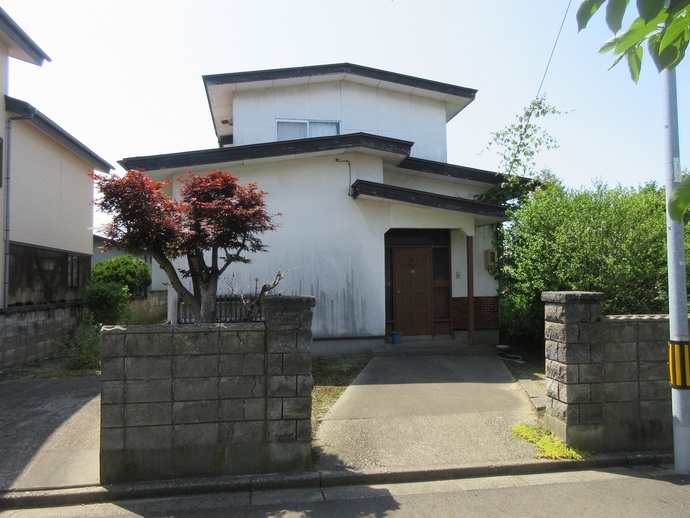
6DK Two-Story Wooden Home Near Shinya Station in Akita City with 540 sqm Land
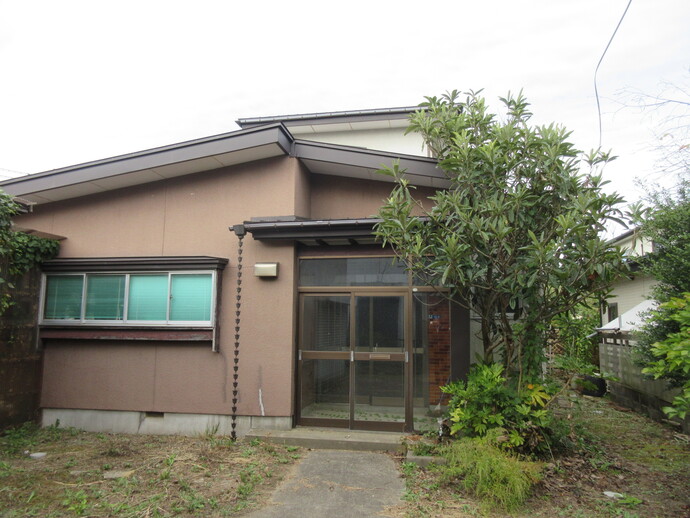
# A Six-Room Traditional Home in Akita City for Under $27,000 — Is This the Akiya Deal You've Been Waiting For?
Imagine owning a six-room, two-storey Japanese home sitting on a generous 540-square-metre plot, a short walk from a train station, a supermarket, and a bus stop — all for roughly the price of a used car in North America. That's exactly what this Akita City listing offers, and while the numbers alone are striking, the real story is in the details: the neighbourhood character, the renovation reality, and the quiet opportunity hiding inside a building that has weathered nearly five decades of Tohoku winters.
---
Akita City's Shinya District: More Everyday Living Than Rural Isolation
One of the most common misconceptions about akiya properties is that they're all tucked away on mountain roads with no services for miles. This listing breaks that mould convincingly. The Shinya Hinai-machi neighbourhood sits within the urban fabric of Akita City itself — a prefectural capital with around 300,000 residents, a bullet-train connection to Tokyo, and a fully developed civic infrastructure.
Shinya Station is barely a five-minute walk from the front door. A supermarket is even closer. The presence of a police koban, a city service centre, and a fire station sub-branch all within walking distance says something important: this is a functioning, serviced neighbourhood, not an abandoned rural corner. For international buyers nervous about isolation, this location genuinely offers urban convenience at a fraction of urban prices.
Akita Prefecture itself is one of Japan's most beautiful — and most depopulated. Cherry blossoms, rice paddies, dramatic winter snowscapes, and a deeply preserved traditional culture define the region. Living here means slow-paced, community-oriented Japanese life without sacrificing access to city amenities.
---
Who Should Be Looking at This Property?
This particular home suits a fairly specific type of buyer, and being honest about that is more useful than overselling.
The six-room layout — mostly traditional tatami rooms across two floors — is ideal for someone who wants to live in the property full-time or use it as a long-stay base in Japan. A remote worker, a writer, a Japan-obsessed retiree, or a dual-citizen family looking for a Japanese anchor home would each find the space generous and the location practical. The 540-square-metre land plot also gives room for a proper garden, outdoor workspace, or future small extension.
The estimated 7.5% gross yield figure suggests the listing agent sees rental potential too. With Shinya Station on the doorstep, the property could serve student or worker tenants if renovated to modern standards. That said, rental yield estimates should always be treated as indicative — actual returns depend heavily on renovation quality, local vacancy rates, and management setup.
---
Renovation Reality: Budget Honestly, Plan Carefully
Here is where transparency matters most. This wooden structure was built in June 1977 — that places it squarely in an era before Japan's landmark 1981 seismic code revision, which introduced significantly stricter earthquake-resistance requirements. The listing explicitly notes that no seismic assessment has been conducted, which for a 47-year-old pre-code building in a snow-heavy region is not a minor footnote — it's the single most important due diligence item on the list.
The description also confirms that some repairs are required, and no independent building condition survey has been carried out. Translated practically: budget for the unknown. Japanese renovation contractors working on properties of this age routinely uncover issues once walls are opened — roof structure fatigue, moisture damage, and aged wiring are all common finds in Shōwa-era homes.
A realistic renovation budget for a property like this, brought up to a comfortable modern standard, typically runs ¥3,000,000–¥8,000,000 depending on scope and whether seismic reinforcement work is undertaken. That cost can double the total acquisition price, but it also doubles the asset's long-term value and safety. Commission an independent structural engineer before signing anything.
On the positive side: all utilities — city water, sewerage, gas, and electricity — are already connected. That's a meaningful saving compared to rural properties that sometimes require well and septic installation from scratch.
---
The Broader Akiya Picture — and Why Akita Matters Right Now
Japan's countryside is quietly offering some of the most affordable residential real estate on the planet, and Akita Prefecture consistently ranks among the most prominent sources of akiya listings nationwide. The revised price on this particular property hints at motivated sellers — a dynamic increasingly common as ageing rural populations and demographic decline push families to offload inherited homes.
For international buyers, this is a rare window. Properties at this price point, in this location, with this much space, are genuinely uncommon. The risks are real and must be taken seriously — but they are also manageable with the right preparation.
If this Shinya Hinai-machi home has caught your eye, the listing details and inquiry pathway are available at japancheaphouses.com. Do your due diligence, engage a qualified local inspector, and approach this one with open eyes — because at under $27,000, the floor is already pretty close to the ground.
Interested in this property?
See the full specs, photos, exact location on the map, and contact us about viewing or buying.
View Full Listing →More properties in Akita
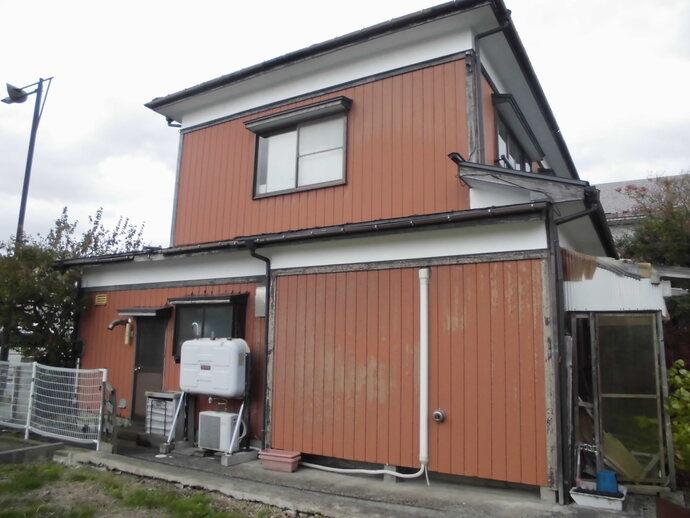
Convenient 5LDK Two-Story Home Near Akita University Hospital in Hiromo, Akita City
Hiromo Aza Ienonoshita, Akita City, Akita, Japan
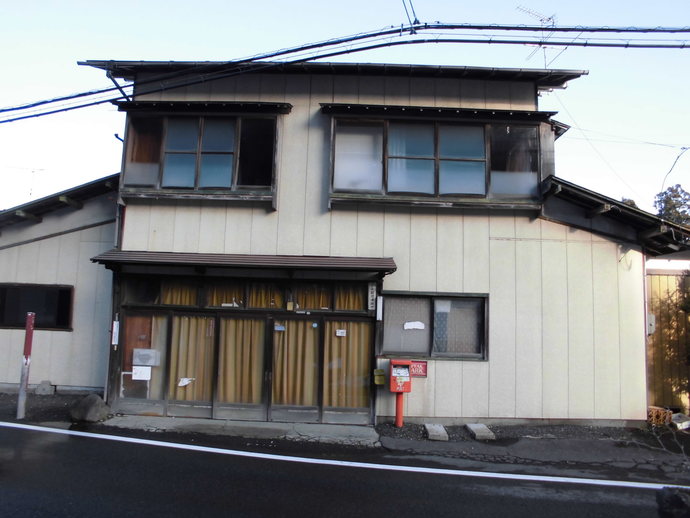
Rural 5DK Two-Story Home in Toyoiwa, Akita City with 1,071 sqm Land & Kitchen Garden
Toyoiwa Toyomaki Aza Dainichizawa, Akita City, Akita, Japan
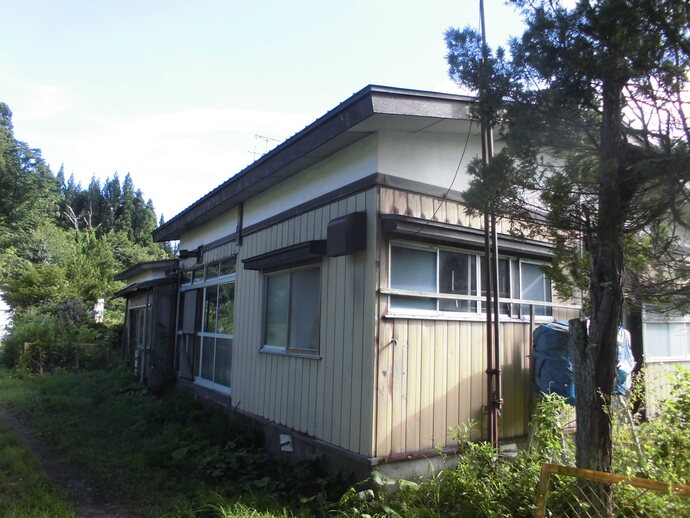
Nature-Surrounded 7DK Two-Story Home in Taihei, Akita City with 1,014 sqm Land
Taihei Yamaya, Akita City, Akita, Japan
5K Two-Story Wooden Home in Shogunno Minami, Akita City with 206 sqm Land
Shogunno Minami 5-chome, Akita City, Akita, Japan