Countryside 6DK Wooden Home in Kawabe Sannai, Akita City — 571 sqm Land
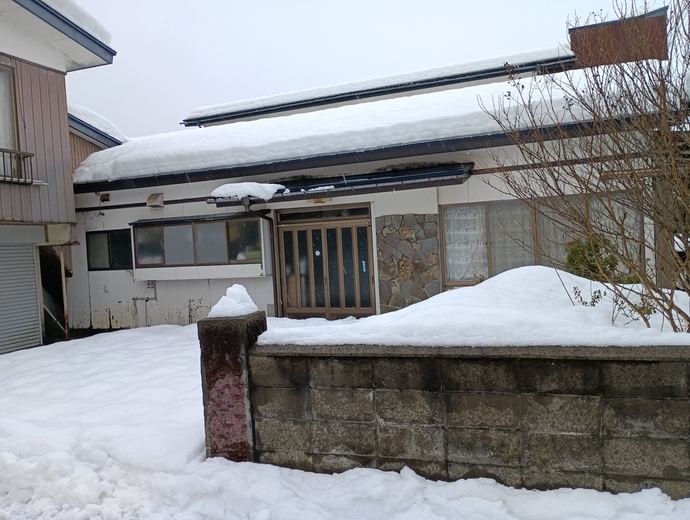
# A Snow-Country Farmhouse for Under $15,000: Could This Akita City Akiya Be Your Rural Japan Project?
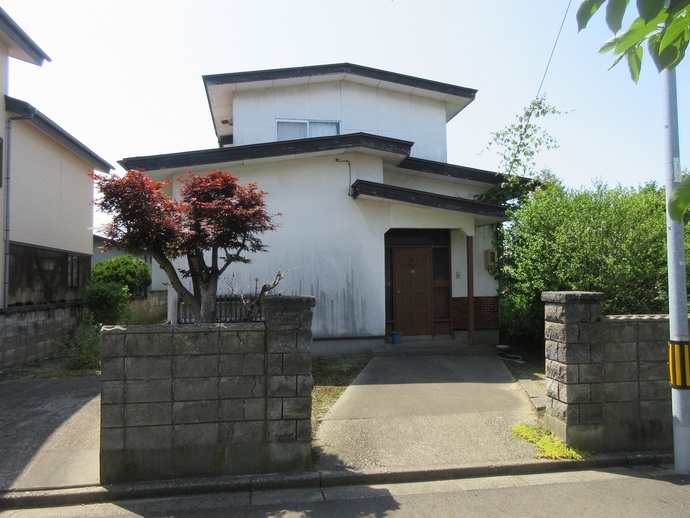
Imagine waking up to frost-laced rice fields, a garden big enough to grow your own vegetables, and the quiet rhythm of a Japanese countryside morning — all for roughly the price of a decent used car. That's the pitch behind a modest wooden farmhouse sitting in the Kawabe Sannai district of Akita City, currently listed through the city's akiya bank program. At ¥2,100,000, this six-room home demands serious attention — but also serious due diligence.
---
Where in the World Is Kawabe Sannai?
Akita City is the capital of Akita Prefecture, one of Japan's most sparsely populated and scenically dramatic regions, hugging the Sea of Japan coast in the Tohoku region. While the city core offers hospitals, universities, and Shinkansen access, the Kawabe Sannai district sits in a more rural residential pocket — the kind of neighbourhood where rice paddies and vegetable plots still outnumber convenience stores.
This isn't deep mountain isolation. A bus stop sits within a two-minute walk of the front door, elementary and junior high schools are less than a kilometre away, and a police substation is practically next door. For a family or remote worker seeking genuine countryside living without surrendering all urban tethers, the location strikes a useful middle ground. The trade-off? Akita Prefecture is famous for its crushing winters — heavy snowfall, sub-zero temperatures, and the kind of damp cold that seeps into wooden structures over decades. That context matters enormously when you're evaluating a 1967 home.
---
Who Is This Property Actually For?
This isn't a weekend flip or a polished holiday rental waiting to happen. The 6DK layout — tatami rooms, a dining kitchen, a second floor, outbuildings, a vegetable plot, and nearly 572 square metres of land — speaks to someone with a longer-term vision. Think: a family relocating from Tokyo under Japan's regional revitalisation incentives, a couple planning a slow life centred on self-sufficiency, or an experienced renovator who understands the true cost of restoring a 57-year-old wooden home in a snow-heavy prefecture.
The estimated 7% gross rental yield is intriguing on paper, but requires realistic assumptions about occupancy and renovation investment before it becomes credible. As a primary residence or lifestyle project rather than a passive income play, the value proposition is considerably clearer.
---
Renovation Reality: Eyes Wide Open
Here is where honesty is non-negotiable. This property carries a cluster of disclosure flags that any buyer must confront head-on.
The second floor and a large outbuilding — together totalling over 80 square metres of additional space — are unregistered structures. This means they don't formally exist in the legal record, and regularising them (or deciding not to) requires navigating Japanese building and registration law, ideally with a licensed judicial scrivener (*shiho shoshi*) and a local architect.
More pressing: in 2023, the property experienced sub-floor flooding damage. No formal assessment of residual moisture or structural impact has been carried out. In a wooden home of this age, untreated sub-floor water ingress can silently compromise floor joists, foundation timbers, and insulation. A professional building inspection (*building condition survey*) before purchase isn't optional here — it's essential.
Add the absence of any seismic assessment on a pre-1981 structure (predating Japan's revised earthquake-resistance standards), and the repair budget needs a generous contingency column. Full renovation of a home like this by a Japanese contractor could reasonably run ¥3–8 million or more, depending on scope.
The silver lining: the seller also offers handover as a cleared, demolished lot. For a buyer primarily interested in the land and outbuildings, that's a meaningful option worth exploring.
---
The Broader Akiya Picture — Why This Still Matters
Japan has over nine million vacant homes, and Akita Prefecture has one of the highest vacancy rates in the country. That's not a warning sign — it's context. Properties like this exist because depopulation has outpaced demand, not because the land or the lifestyle is without value. For foreign buyers willing to engage with the complexity, rural Akita offers something increasingly rare: space, quiet, and a genuine connection to a way of Japanese life that urban centres have long since traded away.
Akita City's akiya bank program exists precisely to match these homes with buyers who see possibility where others see problems.
---
Ready to dig deeper? The full specifications, photographs, and listing details for this Kawabe Sannai property are available on japancheaphouses.com. Browse the listing, compare it against similar akiya in Tohoku, and reach out through the site to begin your inquiry — every question starts there.
Interested in this property?
See the full specs, photos, exact location on the map, and contact us about viewing or buying.
View Full Listing →More properties in Akita
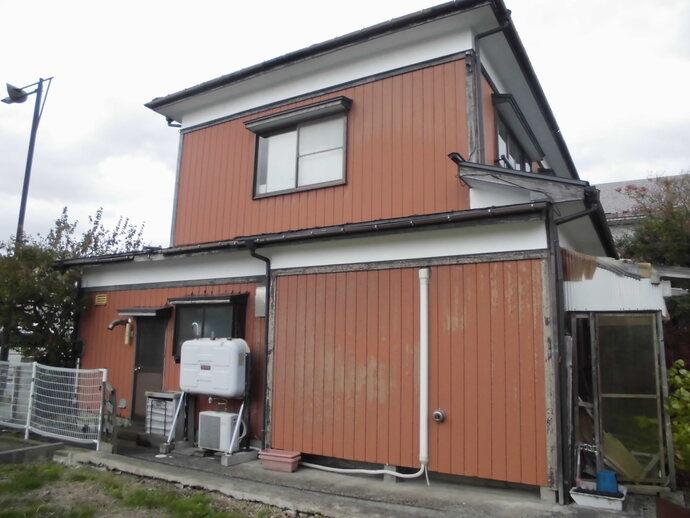
Convenient 5LDK Two-Story Home Near Akita University Hospital in Hiromo, Akita City
Hiromo Aza Ienonoshita, Akita City, Akita, Japan
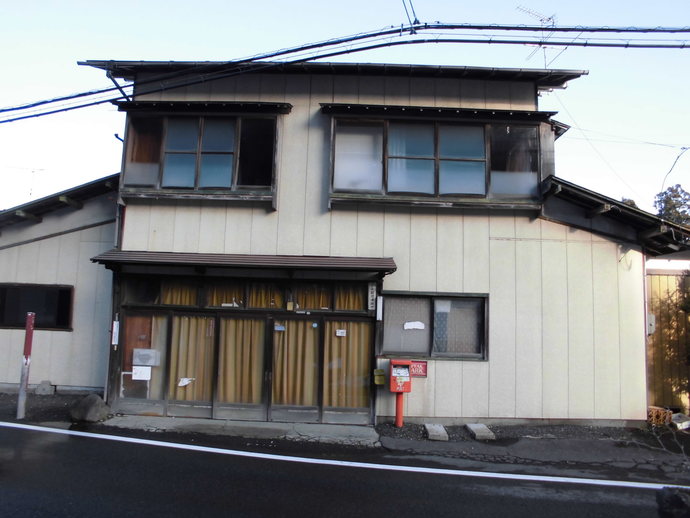
Rural 5DK Two-Story Home in Toyoiwa, Akita City with 1,071 sqm Land & Kitchen Garden
Toyoiwa Toyomaki Aza Dainichizawa, Akita City, Akita, Japan
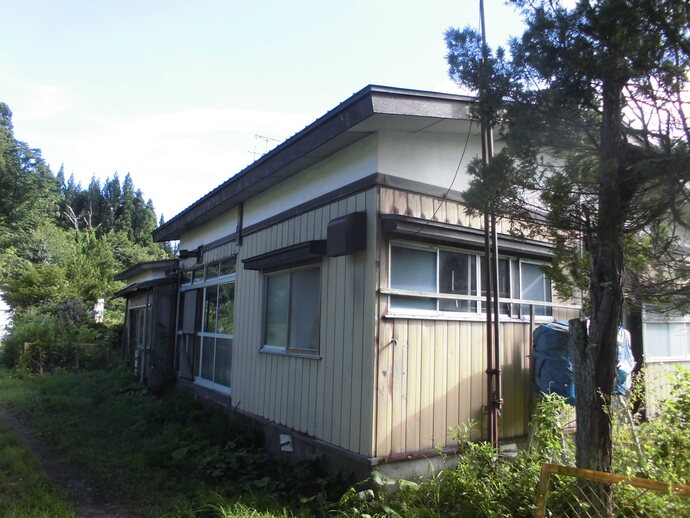
Nature-Surrounded 7DK Two-Story Home in Taihei, Akita City with 1,014 sqm Land
Taihei Yamaya, Akita City, Akita, Japan
5K Two-Story Wooden Home in Shogunno Minami, Akita City with 206 sqm Land
Shogunno Minami 5-chome, Akita City, Akita, Japan