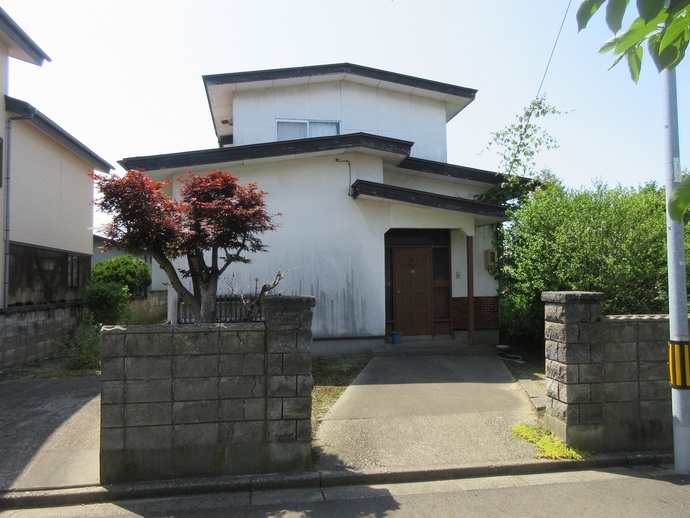
Walkable 4LDK Two-Story Home in Akita's Tегата District with 198 sqm Land
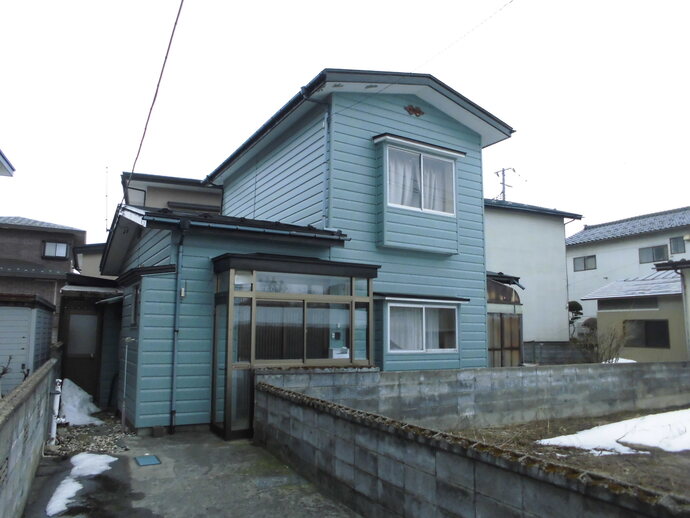
# A Convenient City Home With Real History — And Real Questions to Answer
Akita City doesn't usually make foreigners' shortlists. Sapporo gets the snow tourism crowds, Kyoto gets the heritage seekers, and Tokyo absorbs everyone else. But quietly, in prefectures like Akita, something interesting is happening: well-located, sizeable homes in functioning urban neighborhoods are appearing at prices that would be laughable in almost any other developed country. This four-bedroom two-story home in the Tegata district is one of them — genuinely walkable, genuinely spacious, and genuinely complicated.
---
Tegata: A Neighborhood That Actually Functions
Tegata sits in the western residential belt of Akita City, and Katamiden — the specific sub-neighborhood here — is the kind of area that Japanese families have quietly relied on for decades. Elementary school within walking distance. A supermarket nearby. Bus access to the city center in minutes. Akita Station is just over two kilometers away, which in a mid-sized Japanese city puts you solidly within the orbit of everything urban life requires.
This matters enormously for anyone thinking beyond personal use. Akita City is the prefectural capital — it has a hospital system, a university, government offices, and a transit infrastructure. It is not a depopulating mountain hamlet. That distinction changes the calculus on rental demand, resale viability, and the general logic of ownership entirely.
The city's designation of this site within a *Residential Inducement Zone* also signals something deliberate: local government is actively trying to encourage people to live here, not quietly waiting for the area to empty out.
---
Who This Property Is Really For
Let's be honest about the profile. This is not a weekend retreat property or a remote hideaway fantasy. It's a proper family home in a working residential neighborhood, and it suits buyers who want to treat it like one.
The most natural fit is a relocating family — perhaps someone working remotely who wants an affordable Japanese city base, or a Japan-resident foreigner looking for a long-term primary residence at a fraction of what comparable urban square footage would cost elsewhere. The three-car parking, the kitchen garden, the storage shed, the snow-disposal area — these are not architectural flourishes, they are practical features shaped by Akita winters, which are serious.
For investors, the estimated gross yield figure is genuinely attractive for an urban residential property at this price point. The local rental market — anchored by Akita University, the hospital cluster, and prefectural government employment — provides a real tenant base. But as always, gross yield is a starting number, not a finishing one.
---
Renovation Reality: Budget for More Than You Think
The building dates from October 1969, which makes it over 55 years old. That single fact carries enormous weight. Japan's modern earthquake resistance standards were introduced in 1981 — this property predates them entirely, and no seismic inspection has been carried out. That is not a minor footnote. In a prefecture that sits in a seismically active region, understanding the structural condition is a non-negotiable first step before any renovation budget conversation begins.
Then there's the flood disclosure, which deserves careful reading. The property sustained above-floor-level flooding during the 2023 flood event — meaning water entered the living spaces. Remediation work has reportedly been completed, but buyers should independently verify what that remediation actually involved, whether subfloor and wall cavities were properly dried and treated, and what the residual flood risk profile looks like for this specific site. An experienced building inspector fluent in Japanese construction practices is not optional here; they're essential.
Minor repairs are also noted as necessary, and on a 55-year-old wooden structure, "minor" can expand quickly once walls come open. Budget conservatively — and then add a contingency on top of that.
---
The Bigger Akiya Picture
Japan is releasing older homes into the market at a pace the country's own policy frameworks are still catching up with. What makes this listing stand out from the typical rural akiya is precisely its urban context: real infrastructure, real services, real neighbors. That comes with real tradeoffs — notably, the flood history and the pre-1981 construction — but those risks are knowable and, to a significant degree, manageable with proper due diligence.
Akita City is cold, snowy, and not fashionable. It is also affordable, functional, and increasingly open to newcomers who are willing to do their homework.
If this property has caught your attention, the full specifications and listing details are available on japancheaphouses.com — and all inquiries about the property are handled through that platform. The due diligence conversation, however, starts the moment you decide to take it seriously.
Interested in this property?
See the full specs, photos, exact location on the map, and contact us about viewing or buying.
View Full Listing →More properties in Akita
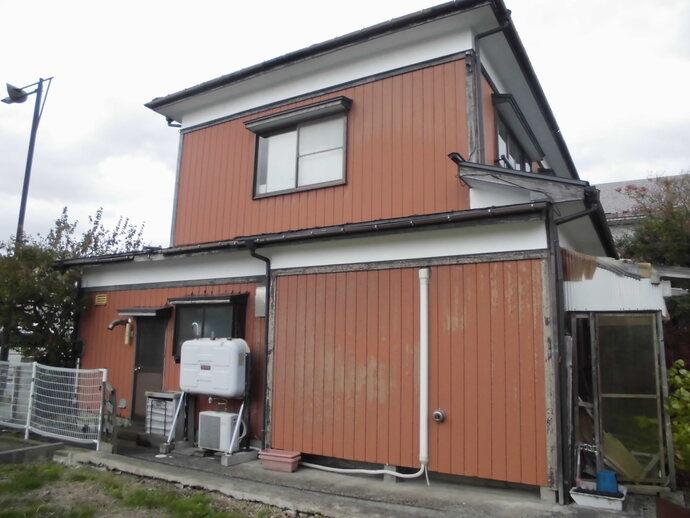
Convenient 5LDK Two-Story Home Near Akita University Hospital in Hiromo, Akita City
Hiromo Aza Ienonoshita, Akita City, Akita, Japan
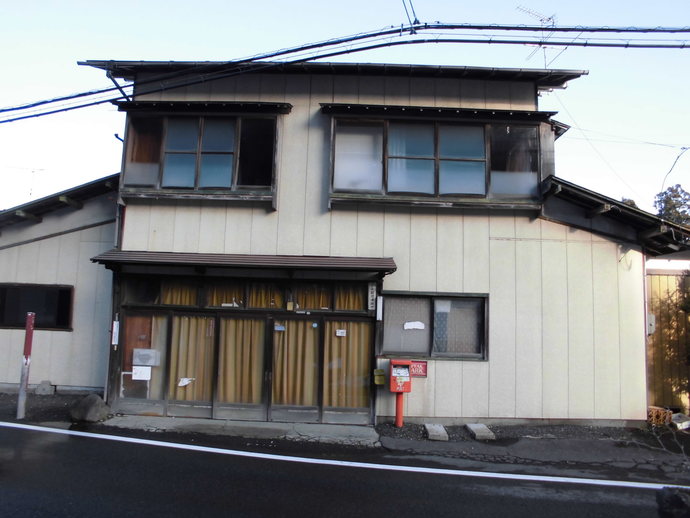
Rural 5DK Two-Story Home in Toyoiwa, Akita City with 1,071 sqm Land & Kitchen Garden
Toyoiwa Toyomaki Aza Dainichizawa, Akita City, Akita, Japan
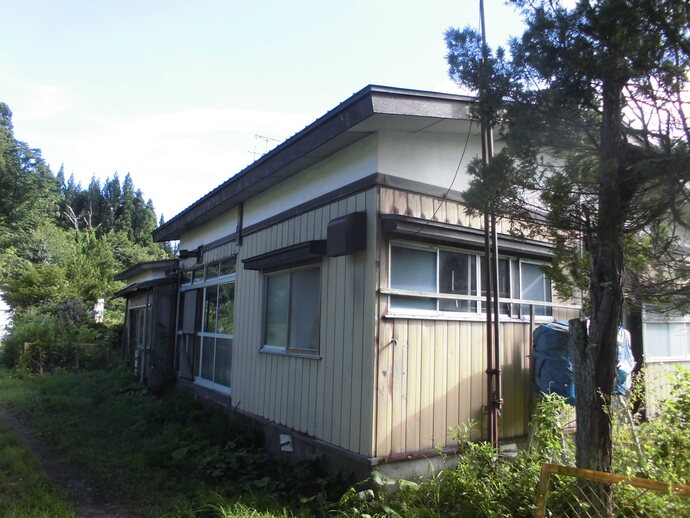
Nature-Surrounded 7DK Two-Story Home in Taihei, Akita City with 1,014 sqm Land
Taihei Yamaya, Akita City, Akita, Japan
5K Two-Story Wooden Home in Shogunno Minami, Akita City with 206 sqm Land
Shogunno Minami 5-chome, Akita City, Akita, Japan