5K Single-Story Home Near Tsuchizaki Station in Akita — 356 sqm Land

# A Showa-Era Relic with Real Potential: Five-Room Home Near Tsuchizaki Station, Akita City
Imagine waking up in a sprawling single-story Japanese home, sliding open the paper screens of your nine-tatami main room, stepping out into a private garden, and walking ten minutes to catch a train — all in a city where your mortgage payment would cost less than a coffee subscription in Tokyo. That's the quiet, unglamorous promise of this 1952 wooden home in Akita's Tsuchizaki district, currently listed at just over five million yen.
It's not for everyone. But for the right buyer, it might be exactly right.
---
Tsuchizaki: A Working Port Neighbourhood with Genuine Livability
Tsuchizaki sits in the northwestern corner of Akita City, historically rooted in its fishing port and oil industry heritage. It's not a trendy neighborhood — you won't find craft coffee shops or boutique guesthouses here — but that's precisely what keeps it affordable and authentic. This is a community where people actually live: families, retirees, longtime residents who've watched the same supermarket stand for decades.
And that supermarket? It's less than a five-minute walk from this property. So is the junior high school. Tsuchizaki Station, the local rail anchor connecting riders into central Akita City, is under a kilometer away. For a rural-adjacent Japanese property, this level of everyday infrastructure is genuinely impressive. Buyers often sacrifice convenience for affordability in the akiya market — here, you don't have to make that trade.
Akita Prefecture itself deserves mention. It's one of Japan's most sparsely populated prefectures, with a quietly beautiful landscape of cedar forests, rice paddies, and hot spring towns. Akita City offers the comfort of urban services without the pressure of metropolitan pricing. For foreigners who want to *live* in Japan rather than just visit it, this region rewards the patient and the curious.
---
Who Should Seriously Consider This Property
This home speaks most directly to a specific type of buyer: someone who wants a large footprint, is comfortable managing a renovation project, and sees a traditional Japanese spatial layout as an asset rather than an inconvenience. Five tatami rooms across nearly 110 square meters of floor space, on a 356-square-meter plot with a garden, garage, and storage shed, represents genuine volume at a price that simply doesn't exist in most developed property markets.
The estimated gross rental yield of around 7% also makes this worth examining as an investment. Tsuchizaki's proximity to schools and transit creates a stable tenant base — families, students, workers. If the renovation math works out, the income story is plausible. It's not passive income from day one, but the bones of a rental case are here.
Long-term foreign residents, remote workers, or retirees seeking permanent relocation to Japan would also find the location logic compelling. This is a home designed for daily life, not a remote mountain retreat.
---
Renovation Realities: Eyes Wide Open
Here's where honesty matters most. The listing explicitly states that this property requires extensive and major repairs — the Japanese descriptor used leaves no ambiguity. A structure built in 1952, now over seventy years old, must be assessed with professional eyes before any commitment is made. Assume the roof, foundations, insulation, and plumbing all need serious attention. Budget accordingly, and then budget more.
Two critical legal considerations compound the renovation picture. First, both the main dwelling and the outbuilding are unregistered in the property registry — a situation that requires resolution before financing, selling, or formally transferring the property in future. Second, any rebuilding or major structural work requires prior consultation and formal approval from the relevant municipal authority. This isn't a dealbreaker, but it means your renovation timeline has a bureaucratic layer that demands planning.
One more detail worth flagging: despite being otherwise connected to public utilities, the toilet operates on a cesspit pump-out system, not the public sewer. Connecting to the mains sewer is possible in most cases but adds cost and coordination with local authorities.
---
The Broader Akiya Moment — And Why Timing Matters
Japan has millions of vacant homes, and Akita Prefecture leads national statistics in population decline. That's a human story with a complicated emotional texture — but for foreign buyers navigating this market thoughtfully and respectfully, it represents a rare window. Prices like this one won't exist indefinitely. As remote work normalizes cross-border living and Japan cautiously opens pathways for foreign property engagement, well-located akiya in functional neighborhoods are quietly becoming more competitive.
This Tsuchizaki property sits at that intersection: real infrastructure, real land, real history — and real work ahead.
If this Showa-era home has caught your attention, explore the full listing details at japancheaphouses.com, where you can review the complete specifications and connect with our team to begin your due diligence journey.
Interested in this property?
See the full specs, photos, exact location on the map, and contact us about viewing or buying.
View Full Listing →More properties in Akita
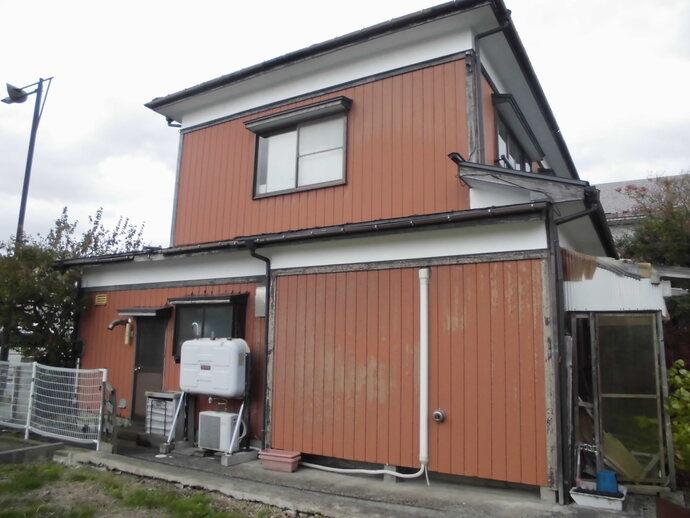
Convenient 5LDK Two-Story Home Near Akita University Hospital in Hiromo, Akita City
Hiromo Aza Ienonoshita, Akita City, Akita, Japan
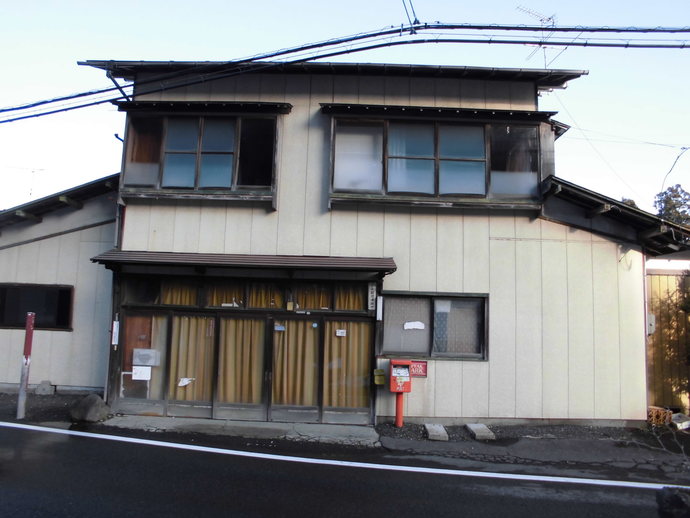
Rural 5DK Two-Story Home in Toyoiwa, Akita City with 1,071 sqm Land & Kitchen Garden
Toyoiwa Toyomaki Aza Dainichizawa, Akita City, Akita, Japan
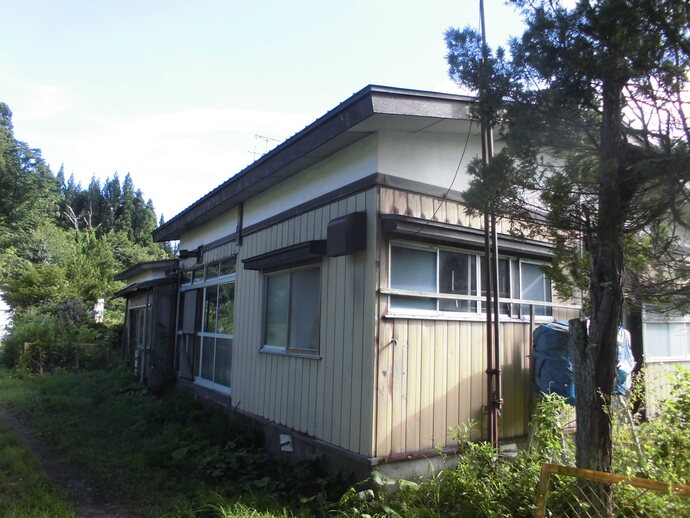
Nature-Surrounded 7DK Two-Story Home in Taihei, Akita City with 1,014 sqm Land
Taihei Yamaya, Akita City, Akita, Japan
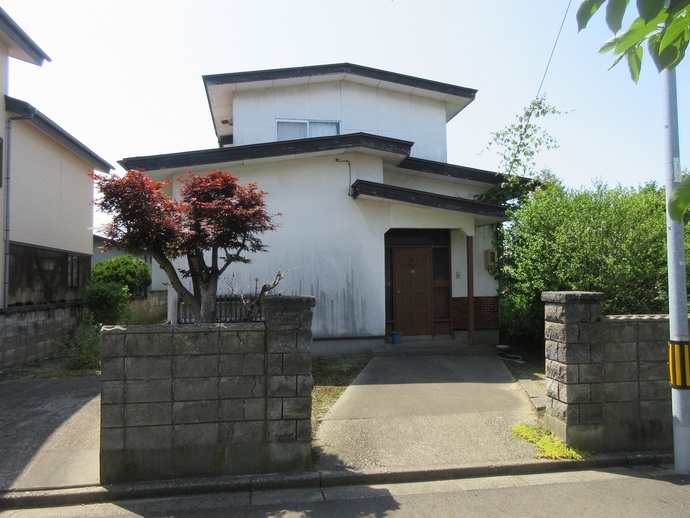
5K Two-Story Wooden Home in Shogunno Minami, Akita City with 206 sqm Land
Shogunno Minami 5-chome, Akita City, Akita, Japan