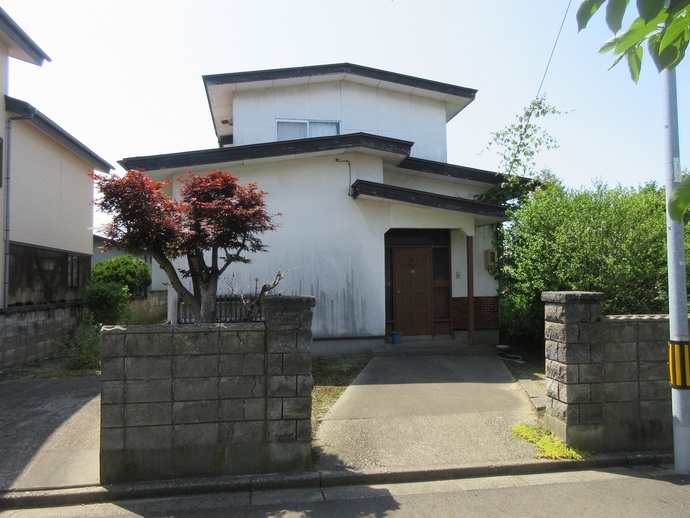
Spacious 9DK Two-Story Home with Large Garden in Yuwa, Akita City — 225 sqm Floor Area
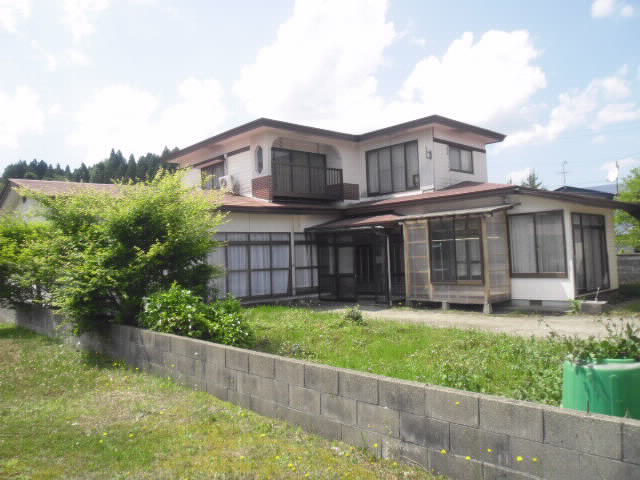
# A 225-Sqm Rural Retreat in Akita City for Under $17,000 — Is This Nine-Room Fixer the Dream It Appears?
Imagine waking up in a traditional Japanese farmhouse, stepping into your kitchen garden before breakfast, and spending your weekends restoring tatami rooms that haven't seen love in decades. For a certain kind of buyer, that sentence is pure fantasy fuel. For the wrong kind of buyer, it's a cautionary tale waiting to happen. This sprawling nine-room wooden home in Akita City's Yuwa district sits squarely at that crossroads — and understanding which side of the line you fall on could be the most important real estate decision you make this year.
---
Yuwa: Where Akita City Ends and Real Japan Begins
Akita City is one of Japan's more underrated regional capitals — a place with genuine urban infrastructure, cultural depth, and surprisingly good food. But the Yuwa district, tucked into the hills southeast of the city centre, operates on a different rhythm entirely. This is a landscape of forested slopes, agricultural plots, and small communities that have sustained themselves for generations on farming and seasonal living.
The property sits outside any urban planning zone, which is significant in two directions simultaneously. On one hand, it means fewer restrictions on how you use and modify the land — a genuine advantage for anyone with creative plans. On the other, it signals that this is not a neighbourhood heading toward gentrification anytime soon. The nearest supermarket is a 14-kilometre drive, the closest major hospital is roughly 19 kilometres away, and the nearest train station is even further. A car isn't optional here — it's the baseline assumption of daily life, particularly through Akita's notoriously heavy winters.
That said, the property itself is embedded in exactly the kind of *satoyama* environment — that transitional zone between mountain and human settlement — that draws people to rural Japan in the first place. The established kitchen garden alone suggests the previous occupants had a meaningful relationship with the land.
---
Who Actually Belongs in a House Like This?
Nine rooms across two floors and 225 square metres of floor space is not a weekend project — it's a lifestyle commitment. The buyer who thrives here is probably someone planning to live on-site, at least during renovation, and who has either practical construction skills or the budget to hire local contractors for an extended engagement.
This property also has quiet potential as a guest house, creative retreat, or small-scale guesthouse operation, which is what the estimated 8% gross yield figure gestures toward. The layout — with multiple traditional Japanese rooms including a generous 14-tatami Japanese-Western room — lends itself to hosting. Two substantial unregistered outbuildings (a workshop and garage totalling over 120 square metres combined) add working space that any serious renovator or rural entrepreneur would appreciate.
The property is not well-suited to remote investors seeking a hands-off rental play, first-time Japan buyers unfamiliar with rural property complexities, or anyone who needs to be near urban amenities.
---
Renovation Reality: Eyes Wide Open
Let's be direct about what the listing discloses, because it discloses quite a bit. The building was constructed in 1978, and no seismic resistance assessment has been conducted — meaning there is no certified confirmation that the structure meets modern earthquake standards. Japan's current seismic codes were substantially revised in 1981, and a 1978 build falls on the wrong side of that line. This doesn't mean the house is unsafe, but it does mean you need a qualified structural engineer to assess it before committing.
The building is currently undergoing repairs — the nature and scope of which are not fully detailed in the listing. This warrants very specific questions during any site visit. The two unregistered outbuildings also present a bureaucratic complexity: they exist physically but not legally, and regularising or simply acknowledging them in future transactions requires careful navigation of local registration procedures.
One more practical note: the Akita City vacant house subsidy has already been claimed on this property, so buyers should not factor any municipal financial assistance into their renovation budget calculations. Work from zero when estimating costs.
---
The Broader Akiya Moment — And Why Timing Still Matters
Japan's rural depopulation crisis has made properties like this increasingly available, but "increasingly available" doesn't mean "infinitely patient." Akita Prefecture consistently registers among Japan's fastest-shrinking populations, which creates real urgency for municipalities trying to repopulate communities like Yuwa before critical mass is lost entirely. The local government's involvement in connecting buyers with properties like this reflects genuine institutional will — these aren't just listings, they're invitations.
At roughly $16,700 USD for 225 square metres and over 600 square metres of land, the entry price is almost absurdly low. The real investment is what comes after. If you're prepared for that conversation, browse the full listing details at japancheaphouses.com and reach out to begin your due diligence journey — this one deserves serious attention from the right buyer.
Interested in this property?
See the full specs, photos, exact location on the map, and contact us about viewing or buying.
View Full Listing →More properties in Akita
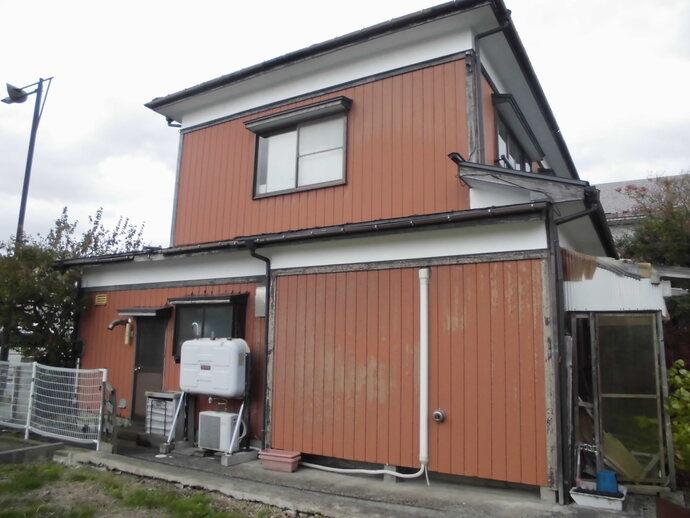
Convenient 5LDK Two-Story Home Near Akita University Hospital in Hiromo, Akita City
Hiromo Aza Ienonoshita, Akita City, Akita, Japan
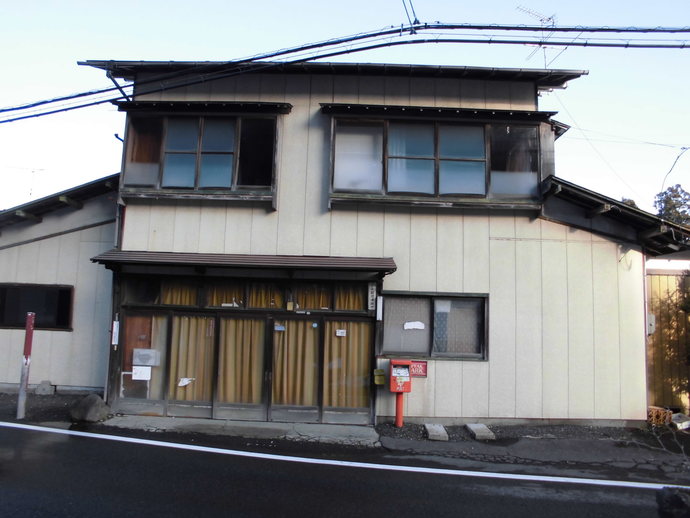
Rural 5DK Two-Story Home in Toyoiwa, Akita City with 1,071 sqm Land & Kitchen Garden
Toyoiwa Toyomaki Aza Dainichizawa, Akita City, Akita, Japan
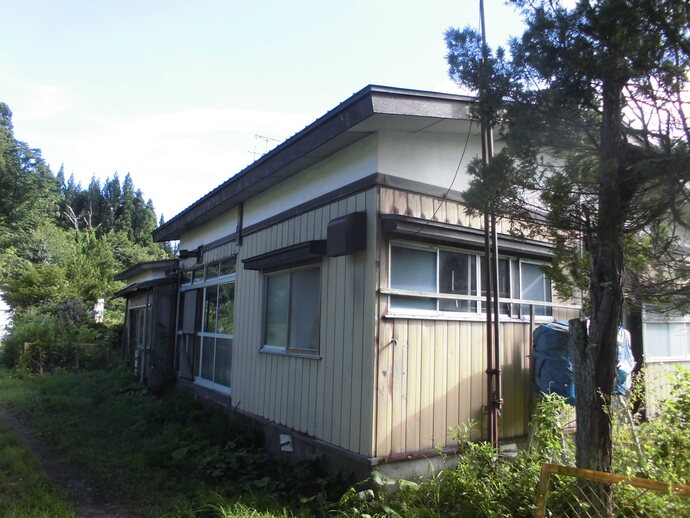
Nature-Surrounded 7DK Two-Story Home in Taihei, Akita City with 1,014 sqm Land
Taihei Yamaya, Akita City, Akita, Japan
5K Two-Story Wooden Home in Shogunno Minami, Akita City with 206 sqm Land
Shogunno Minami 5-chome, Akita City, Akita, Japan