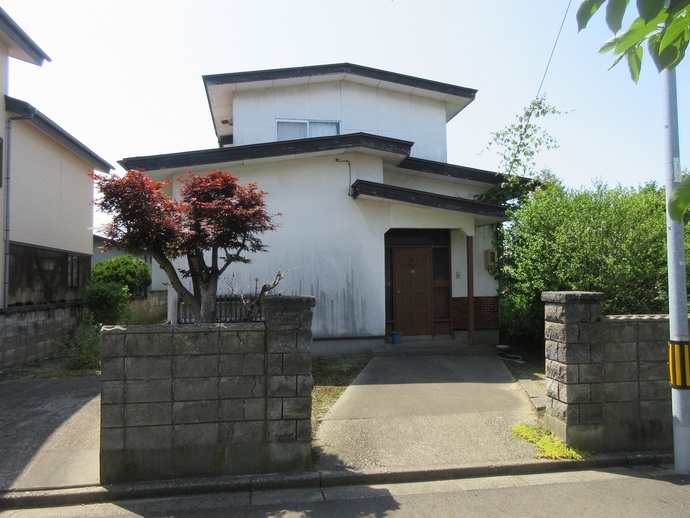
Spacious 7DK Two-Story Home on 1,199 sqm Lot in Quiet Iijima Residential Area, Akita
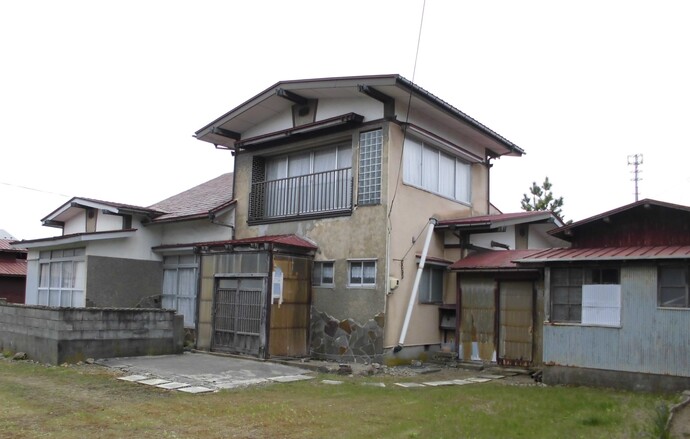
# A 74-Year-Old Giant in Akita: Is This ¥5M Seven-Room Farmhouse a Bargain or a Project?
Imagine owning a two-storey Japanese home with a plot large enough to grow your own vegetables, park four cars, dump a winter's worth of snow, and still have room for a garden — all within walking distance of a hospital, two schools, and a supermarket. At roughly the price of a secondhand car in Tokyo, a sprawling seven-room timber home in Akita City's Iijima Iida district is testing the limits of what "affordable Japanese real estate" can actually mean. But before you wire the funds, there's a lot worth understanding about what you're buying — and what you're committing to.
---
Akita City's Iijima District: Suburban Quiet Without Rural Isolation
Akita City is one of the prefectural capitals of Tohoku, a region foreigners often overlook in favour of Kyoto or Hokkaido — which is precisely why the value proposition here is so compelling. Iijima is a settled, functional residential neighbourhood rather than a deep-rural hamlet that requires a car for everything. A hospital bus stop is practically on the doorstep, elementary and junior high schools are under a kilometre away, and a supermarket is reachable by bicycle. Tsuchisaki Station connects you to the broader JR network.
This is suburban Akita, not remote Akita. The distinction matters enormously for resale viability, rental potential, and day-to-day livability. The area is zoned for low-rise residential development within the urbanisation promotion zone — meaning it's not a shrinking agricultural fringe but an area where the municipality actively supports residential use. That zoning clarity is a genuine asset in an akiya market where land-use ambiguity is common.
---
Who Should Be Looking at This Property?
This home suits a specific kind of buyer. At 173 sqm across seven rooms on a nearly 1,200 sqm plot, the scale alone rules out casual holiday-home buyers. You'd want to be someone who either intends to live here full-time — perhaps a remote worker or retiree drawn by Akita's low cost of living and four-season rhythms — or someone with a clear renovation-to-rent or renovation-to-resell strategy.
The estimated gross yield of 7% is attention-grabbing for a property at this price point. Akita City has a university, hospitals, and public-sector employment that generate consistent rental demand for larger homes, particularly from families. A renovated seven-room house with a four-car capacity and generous grounds could serve a family tenant very well. For buyers considering a multi-generational living arrangement — a growing trend among Japanese returnees and internationally-minded families — the layout offers genuine flexibility.
---
Renovation Expectations: Generous Space, Non-Trivial Costs
Built in 1950, this home is 74 years old, and the listing is refreshingly candid: some repairs are required. "Some" in a Showa-era timber home typically means more than a coat of paint. Expect to budget seriously for structural assessment, weatherproofing, insulation (Akita winters are heavy), and modernising the kerosene bath system. The pit toilet with no public sewerage connection is a significant practical issue — you'll need to maintain a cesspit system or investigate whether a septic upgrade is feasible on-site.
The unregistered extensions — a warehouse and storage shed — add legal complexity. Structures not recorded in the official building registry exist in a grey zone that can complicate financing and future resale. A qualified judicial scrivener will need to help resolve this before or shortly after purchase.
The agricultural land parcels included in the site introduce another layer: any change of use requires formal notification under Japan's Agricultural Land Act. This isn't necessarily a dealbreaker, but it demands proper legal navigation.
---
The Risk You Cannot Ignore: Access and Seismic Unknowns
Two disclosures deserve particular weight. First, no earthquake-resistance inspection has been conducted on a 74-year-old timber structure. In a country where seismic standards were fundamentally overhauled in 1981 and again in 2000, pre-inspection on a pre-1950 build is not optional — it's essential before any serious renovation planning begins.
Second, the frontage road is a private road, and the seller holds no ownership share in it. Access rights to your own property must be independently verified through a licensed real estate attorney before contracts are signed. This single issue has derailed purchases of otherwise sound akiya, and it should receive your full legal attention.
---
Ready to explore this Iijima property further? All the specifications, photos, and inquiry details are available on the listing page at japancheaphouses.com. We recommend reviewing the full disclosure documents carefully and engaging a bilingual legal professional before proceeding — this is a property with genuine upside, but it rewards due diligence.
Interested in this property?
See the full specs, photos, exact location on the map, and contact us about viewing or buying.
View Full Listing →More properties in Akita
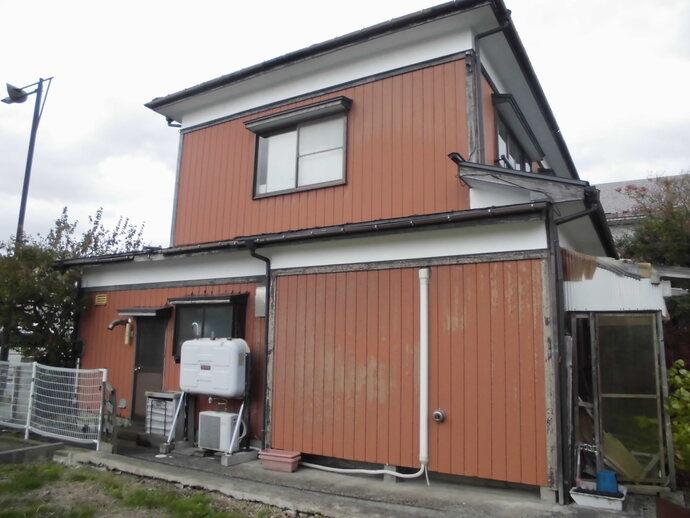
Convenient 5LDK Two-Story Home Near Akita University Hospital in Hiromo, Akita City
Hiromo Aza Ienonoshita, Akita City, Akita, Japan
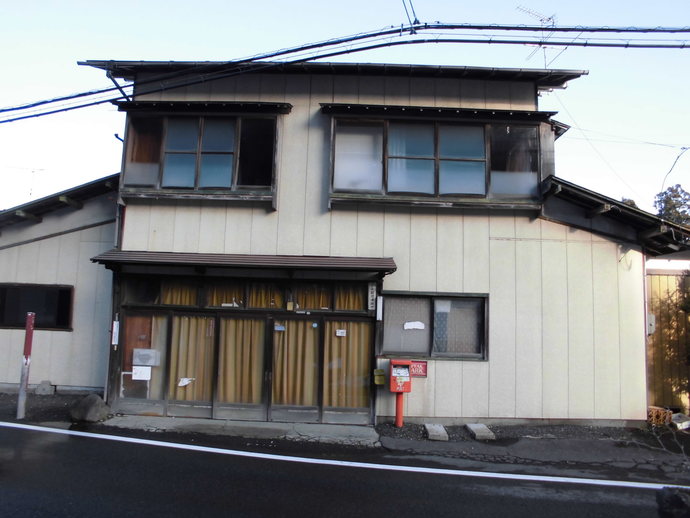
Rural 5DK Two-Story Home in Toyoiwa, Akita City with 1,071 sqm Land & Kitchen Garden
Toyoiwa Toyomaki Aza Dainichizawa, Akita City, Akita, Japan
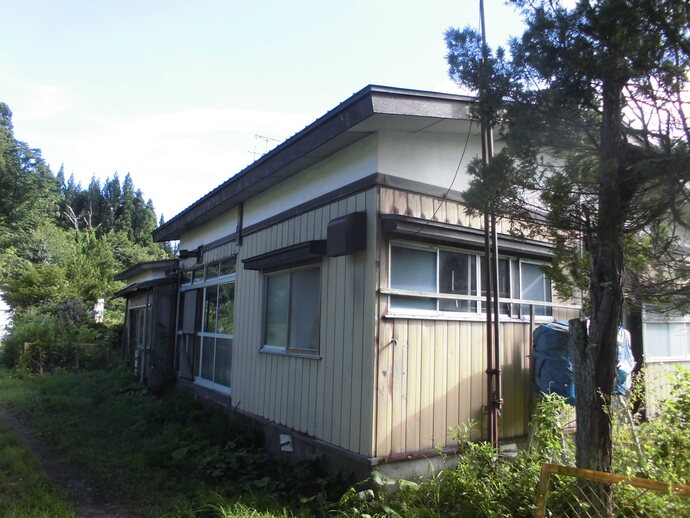
Nature-Surrounded 7DK Two-Story Home in Taihei, Akita City with 1,014 sqm Land
Taihei Yamaya, Akita City, Akita, Japan
5K Two-Story Wooden Home in Shogunno Minami, Akita City with 206 sqm Land
Shogunno Minami 5-chome, Akita City, Akita, Japan