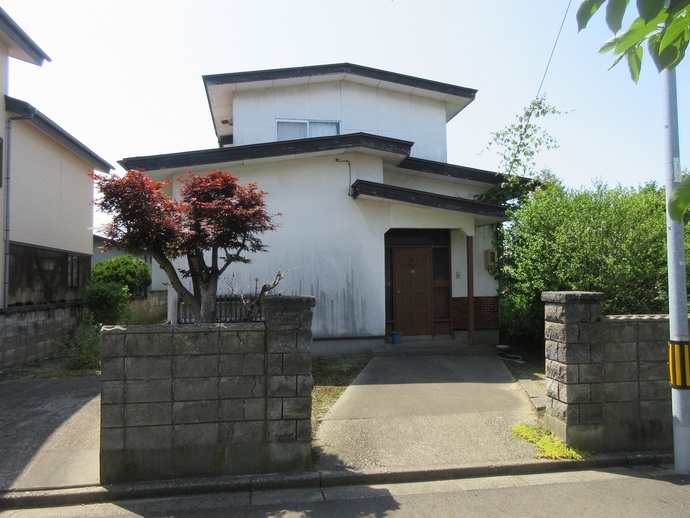
5LDK Two-Story Home in Tsuchizaki Kitasanchome, Akita City — 247 sqm Land, Demolition Option Available
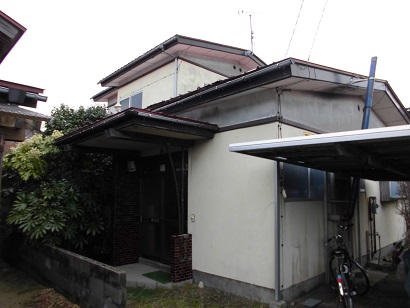
# A Coastal Akita Fixer-Upper With Real Investment Bones — If You Go In Eyes Open
Imagine owning a sprawling five-bedroom Japanese home just a short walk from the Sea of Japan coastline, in a city that still feels genuinely, unhurriedly Japanese. For ¥5,200,000 — roughly the price of a decent used car in Tokyo — that's exactly what this Tsuchizaki property offers. But before you start dreaming of tatami rooms and garden evenings, there's a frank conversation to be had about what you're actually buying here.
---
Tsuchizaki: Akita's Quiet Harbour Quarter
Tsuchizaki sits on a narrow peninsula in the northern reaches of Akita City, historically tied to the fishing industry and the Tsuchizaki Port. It's a neighbourhood with genuine character — low-rise, unhurried, with a salty maritime atmosphere that feels a world away from Japan's urban centres. Akita City itself is one of Tohoku's larger prefectural capitals, offering real-city infrastructure (hospitals, universities, commercial districts) while maintaining the pace and affordability of rural Japan.
For international buyers, Akita has a quiet appeal: it's culturally rich (the Kanto Festival is one of Japan's most spectacular summer events), the food culture is outstanding, and the winters — while genuinely demanding — bring world-class skiing within easy reach. Tsuchizaki Kitasanchome specifically is residential in character, with a bus stop practically at the doorstep and a supermarket within a kilometre. This isn't remote rural Japan; it's a functioning urban neighbourhood where a car-free or car-light lifestyle is plausible.
---
Who Should Be Looking at This Property?
The estimated gross rental yield of 7.5% is the number that will catch an investor's eye, and for good reason — that figure is competitive against almost any asset class in Japan right now. A 5LDK at this price point in a city neighbourhood has genuine rental appeal, particularly for larger families or shared-house arrangements.
But this isn't a passive investment out of the box. The buyer who gets the most from this property is someone who either has renovation experience, is prepared to project-manage one, or is willing to demolish and rebuild. That last option — demolition with vacant-land delivery — is explicitly available, which is worth noting. Akita City's construction costs are lower than in major metros, and the lot at nearly 250 sqm gives a new build real breathing room.
This could equally suit a relocating family looking for space and affordability, or a foreign buyer interested in Japan's inaka (countryside) lifestyle without fully leaving urban amenity behind.
---
The Renovation Reality: Budget for the Unexpected
Let's be straightforward. This is a 1976-built timber-frame home, and the listing pulls no punches: major repairs are required. No seismic assessment has been conducted, no building condition survey exists, and given the construction date — predating Japan's landmark 1981 earthquake resistance standards — structural verification isn't optional, it's essential.
The sewage situation adds another layer. The property uses a cesspit pump-out system rather than public sewer connection, which means ongoing maintenance costs and, depending on your plans, potential upgrade requirements. The mixed heating setup (kerosene for the bath, city gas for the kitchen) is functional but will likely feel dated.
The most significant constraint, however, is the road access issue. The site does not front a road legally recognised under the Building Standards Act. This means any substantive rebuilding, extension, or major structural renovation will require a formal application and approval under Article 43 before work can begin. This is not insurmountable — Article 43 exemptions are regularly granted — but it adds time, cost, and planning complexity that first-time Japanese property buyers should not underestimate. Get legal and architectural advice before signing anything.
---
The Broader Akiya Picture — And Why Location Still Matters
Japan has millions of vacant homes, but they are not all equal. An akiya in a depopulating village with no amenities and no road access is a fundamentally different proposition to one in a prefectural capital with a bus stop 200 metres away. This property sits firmly in the latter category, which is exactly why the yield numbers are meaningful rather than theoretical.
Akita Prefecture does face demographic headwinds — population decline is real and well-documented. But Akita City, as a regional hub, is more resilient than the surrounding countryside, and municipal programmes actively support akiya renovation and resettlement.
Ready to explore this property further? Full specifications, photographs, and inquiry details are available at japancheaphouses.com — your gateway to navigating Japan's akiya market with clarity and confidence.
Interested in this property?
See the full specs, photos, exact location on the map, and contact us about viewing or buying.
View Full Listing →More properties in Akita
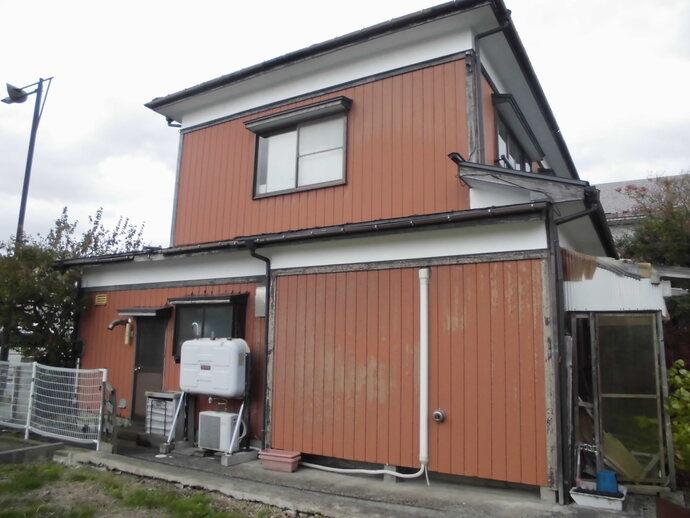
Convenient 5LDK Two-Story Home Near Akita University Hospital in Hiromo, Akita City
Hiromo Aza Ienonoshita, Akita City, Akita, Japan
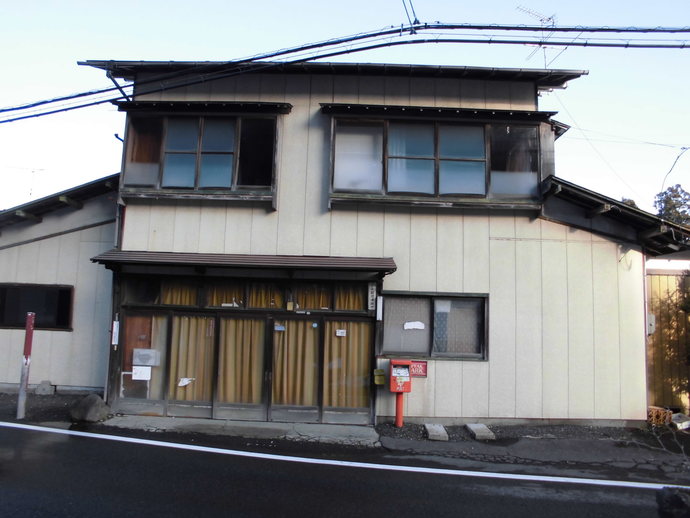
Rural 5DK Two-Story Home in Toyoiwa, Akita City with 1,071 sqm Land & Kitchen Garden
Toyoiwa Toyomaki Aza Dainichizawa, Akita City, Akita, Japan
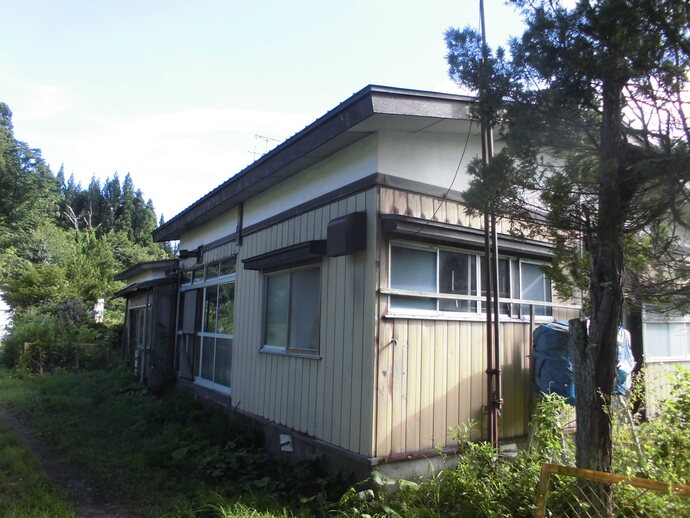
Nature-Surrounded 7DK Two-Story Home in Taihei, Akita City with 1,014 sqm Land
Taihei Yamaya, Akita City, Akita, Japan
5K Two-Story Wooden Home in Shogunno Minami, Akita City with 206 sqm Land
Shogunno Minami 5-chome, Akita City, Akita, Japan