3LDK Two-Story Home in Iijima Bunkyo-machi, Akita City — 22-Tatami LDK & Ample Storage
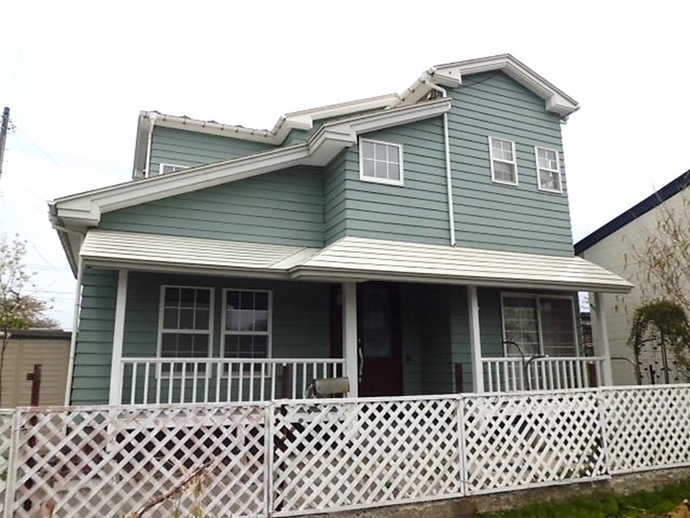
# A Spacious Family Home in Akita City's Quiet Suburbs — Is This ¥8.8M Property the Right Akiya Investment?
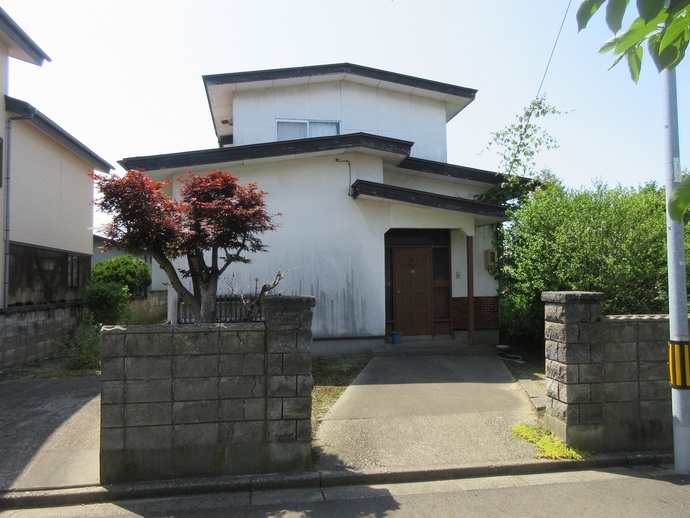
Imagine a two-storey wooden home sitting in a calm residential pocket of Akita City — close enough to city infrastructure to be genuinely liveable, far enough from the urban bustle to feel like a proper neighbourhood. Now imagine that the living and dining area alone spans 22 tatami mats. For under ¥9 million, that's the proposition on the table in Iijima Bunkyo-machi. But like most akiya opportunities worth talking about, the story has layers.
---
Akita City's Iijima District: Suburban Calm with Real Convenience
Akita City is the prefectural capital of Akita Prefecture — one of Japan's most celebrated regions for its festivals, sake brewing, and dramatic seasonal scenery. It's also one of Japan's most honest examples of demographic decline, which is precisely why properties like this one reach the market at prices that would be unthinkable in Tokyo or Osaka.
Iijima Bunkyo-machi sits in the city's western residential fabric: the kind of neighbourhood where elementary school kids walk to class, families cycle to the supermarket, and things are, reassuringly, *functional*. A co-op supermarket is within walking distance, Iijima Elementary School is barely a kilometre away, and Kami-Iijima Station — connecting riders toward central Akita — is reachable on foot or by bike. Akita Kosei Medical Center, a major regional hospital, is within a short drive. For a city of its size, Akita punches well above its weight on livability.
The zoning here — a Category 1 Medium-to-High-Rise Residential Zone — signals a stable, planned residential area rather than a fading rural hamlet. This is city living at an affordable price, not a remote countryside gamble.
---
Who Is This Property For?
This home makes the most sense for a few distinct buyer types. Families relocating to Akita — whether Japanese returnees, remote workers, or foreign residents seeking a quieter pace — will appreciate the practical three-bedroom layout, generous storage, and that remarkable downstairs living space. The loft adds a fourth functional room, perfect as a study or creative studio.
Yield-focused investors should take note of the 7.5% estimated gross yield. In a city like Akita, where housing demand from local workers, medical staff, and students remains steady, a well-renovated 3LDK in a suburban location with good amenities isn't a hard rental proposition. It won't outperform Tokyo on capital appreciation, but the income story has genuine credibility here.
What this property is *not* suited for is a buyer expecting to walk in and rent it out immediately, or someone unwilling to engage seriously with a renovation process.
---
Renovation Expectations: Budget Realistically and Survey First
The listing is refreshingly candid: extensive renovation work is required. This is not a cosmetic refresh — it's a structural and systemic project. The property was built in November 1989, placing it in the earlier Heisei era and just outside the window of Japan's most modern seismic reinforcement standards. No building condition survey has been conducted, which means buyers are entering with incomplete information about what they're inheriting.
Before any purchase offer becomes binding, commission an independent structural survey (*建物状況調査*). This is non-negotiable here. The 1989 construction date doesn't automatically mean the building is unsafe, but it does mean seismic compliance should be carefully assessed, particularly for a wooden structure in a snow-heavy northern prefecture like Akita.
The road access situation also deserves attention. Any future rebuilding, significant extension, or major structural renovation will require a formal application under Article 43 of the Building Standards Act, and a minor setback adjustment has already been flagged. These are manageable bureaucratic realities, not dealbreakers — but they add time and cost to any larger-scale development plans.
On utilities: the septic tank rather than mains sewage connection is a practical consideration, particularly regarding ongoing maintenance costs and any future upgrade requirements.
Budget conservatively. A full renovation of a property like this in regional Japan typically runs ¥5–10 million or more depending on scope — meaning your all-in cost could reach ¥15–20 million. At that level, the yield calculus changes, so model carefully.
---
Ready to Explore This Akita City Opportunity?
Akita's akiya market rewards buyers who do their homework, move with patience, and build a team — a bilingual architect or renovation contractor, a judicial scrivener for the legal paperwork, and ideally a local liaison who knows the area. This particular property sits at an interesting intersection: genuinely accessible urban infrastructure, a layout with real livability appeal, and a price that leaves room for the renovation investment it clearly needs.
If this home has caught your attention, visit the full listing at japancheaphouses.com to review the complete specifications and reach out through the site to begin your enquiry process. Akita's best value properties don't sit on the market forever — even in a buyers' market, the good ones find the right people.
Interested in this property?
See the full specs, photos, exact location on the map, and contact us about viewing or buying.
View Full Listing →More properties in Akita
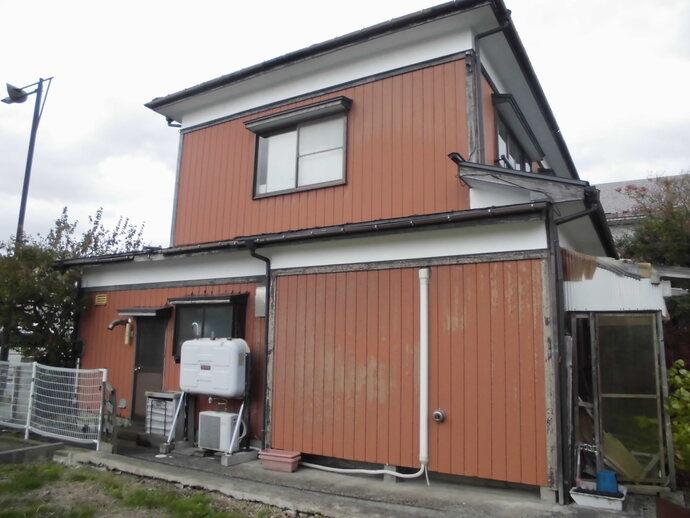
Convenient 5LDK Two-Story Home Near Akita University Hospital in Hiromo, Akita City
Hiromo Aza Ienonoshita, Akita City, Akita, Japan
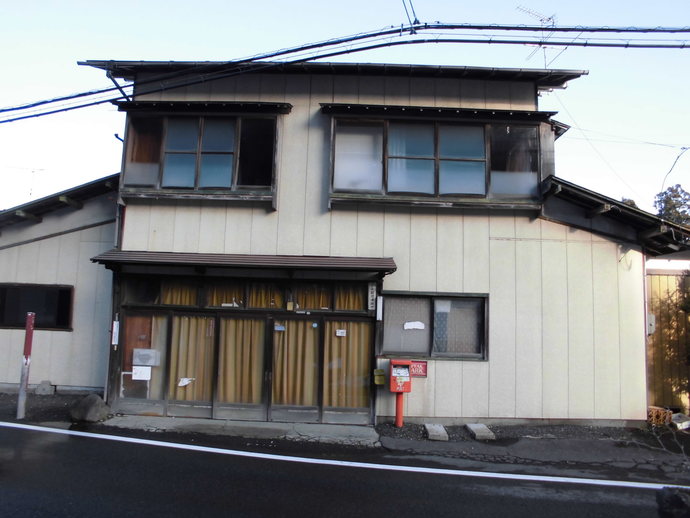
Rural 5DK Two-Story Home in Toyoiwa, Akita City with 1,071 sqm Land & Kitchen Garden
Toyoiwa Toyomaki Aza Dainichizawa, Akita City, Akita, Japan
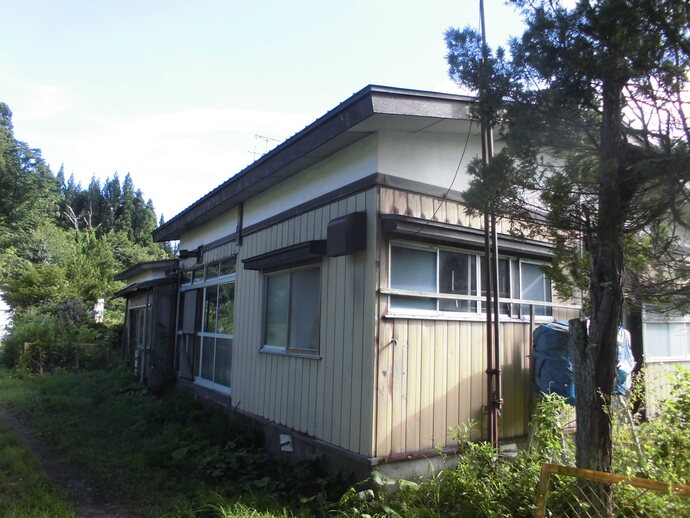
Nature-Surrounded 7DK Two-Story Home in Taihei, Akita City with 1,014 sqm Land
Taihei Yamaya, Akita City, Akita, Japan
5K Two-Story Wooden Home in Shogunno Minami, Akita City with 206 sqm Land
Shogunno Minami 5-chome, Akita City, Akita, Japan