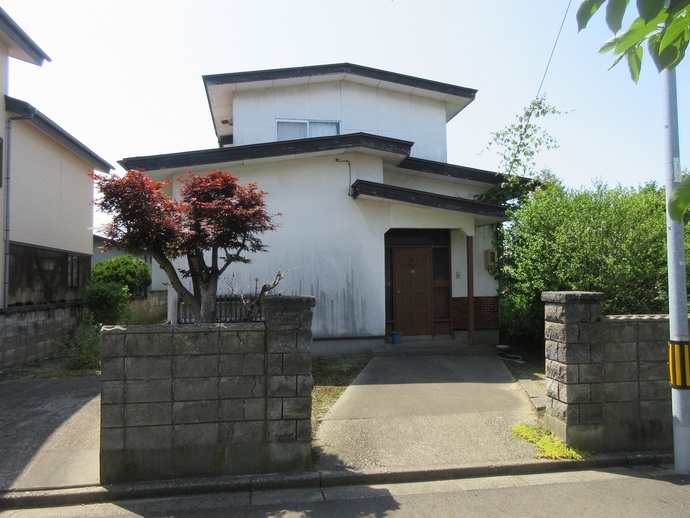
Quiet Residential 5K Two-Story Home in Iijima, Akita City — 95.5 sqm Floor Area
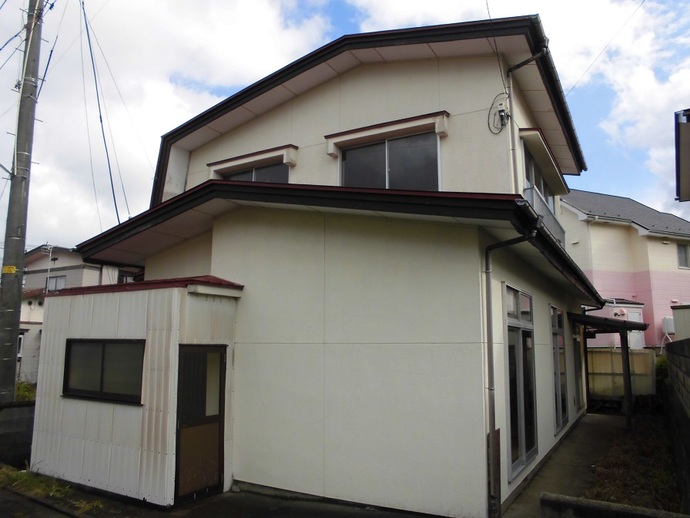
# A Five-Room Fixer-Upper with an Exit Strategy: Iijima, Akita City at ¥4.5 Million
What if the most interesting thing about a house wasn't the house itself, but what you're allowed to do with it — including knock it down? That's the quietly compelling proposition behind this two-story wooden home in Iijima Nezumida, a calm residential corner of Akita City. At roughly $30,000 USD, it lands squarely in "too cheap to ignore" territory, but there's a twist in the fine print that makes this one genuinely unusual even by akiya standards.
---
Akita City's Iijima District: Suburban Calm with Real Infrastructure
Iijima isn't the romantic mountain village that flickers through most people's minds when they imagine buying a cheap Japanese home. That's actually a selling point. This is a functioning urban neighbourhood — quiet, low-rise, and residential — within Akita City itself, the prefectural capital of one of Japan's northernmost regions. A train station sits roughly a ten-minute walk away, an elementary school is just over a kilometre down the road, and a medical centre is reachable without a car. For a property at this price point, that's a surprisingly livable baseline.
Akita Prefecture is famous for two things that matter to property buyers: dramatic depopulation and dramatic snowfall. The region consistently ranks among Japan's fastest-shrinking prefectures, which explains why a 95-square-metre, five-room house on a proper land plot in a city neighbourhood can be had for the price of a decent used car. The snow, meanwhile, is not a minor footnote — winters here are long and heavy, and any renovation budget needs to account for roof reinforcement, insulation upgrades, and heating systems appropriate for genuine Tohoku cold.
---
Who Is This Property Actually For?
This home suits a very particular buyer — and probably rules out a few others. If you're a hands-on renovator looking for a manageable urban foothold in Japan, the five-room layout across two floors offers genuine living flexibility: a mix of Western and tatami-style rooms that could be reconfigured for a small family, a live-work arrangement, or even a modest guesthouse setup. The estimated gross rental yield of 8% is worth noting for investors, though that figure assumes the building is rentable as-is or after light renovation — a significant assumption given what the listing discloses.
More intriguingly, this property may suit a buyer who doesn't want the building at all. The seller is open to demolishing the existing structure and transferring clear land, which opens the door to a new-build on an established city plot. That's an unusual degree of flexibility for this price bracket, and it reframes the purchase as a land acquisition play as much as a house purchase.
---
Renovation Realities and the Ratio Problem
Here's where honesty matters. This home was built in May 1978 — before Japan's landmark 1981 seismic code revision — and no seismic assessment has been performed. No building condition survey has been conducted either. "Some repairs are required" is the seller's characterisation, but without professional inspection, that phrase could mean cosmetic refreshing or it could mean structural remediation. Budget accordingly, and commission an independent survey before committing.
The more legally consequential issue is this: the building currently exceeds the permitted building-to-land ratio and/or floor area ratio for its zone. In plain terms, the existing structure is technically non-compliant. This can complicate — or outright prevent — certain renovation works, rebuilding permits, and conventional mortgage financing. Japanese banks are generally reluctant to lend against non-compliant structures, which means most buyers will need to approach this as a cash purchase. Buyers should engage an independent judicial scrivener and a licensed architect before proceeding, not after.
The absence of parking or a snow-disposal area is also worth flagging for anyone planning to live here year-round. In Akita winters, both are practical necessities, not conveniences.
---
The Broader Akiya Moment — and Why This One Stands Out
Japan's vacant home count has surpassed nine million, and Akita sits near the sharp end of that trend. Local governments are increasingly motivated to move these properties, and this listing is channelled through Akita City's own housing policy division — a sign that municipal backing is part of the picture, even if it doesn't resolve the compliance questions.
What makes this listing distinctive is the demolition option. Most akiya sellers want you to take the building; this seller is prepared for you not to. That tells you something about their priorities — and creates a negotiating dynamic that's worth exploring.
If you're seriously considering this property, the listing details and inquiry process are available through japancheaphouses.com. Given the legal and structural complexities here, treat your first step as booking a professional inspection, not a flight to Akita.
Interested in this property?
See the full specs, photos, exact location on the map, and contact us about viewing or buying.
View Full Listing →More properties in Akita
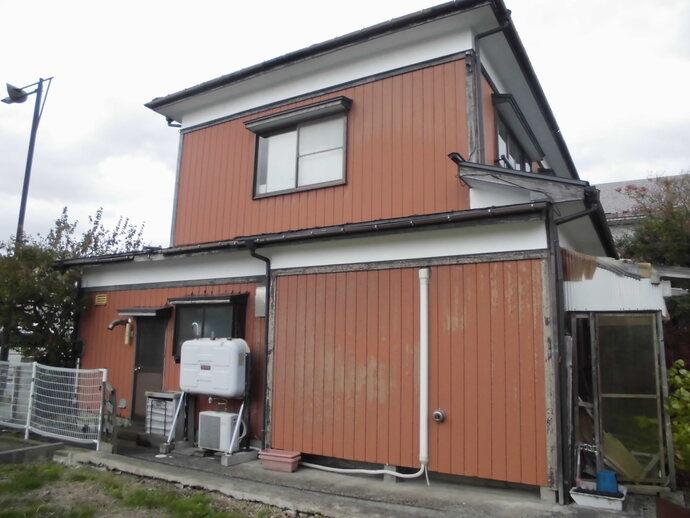
Convenient 5LDK Two-Story Home Near Akita University Hospital in Hiromo, Akita City
Hiromo Aza Ienonoshita, Akita City, Akita, Japan
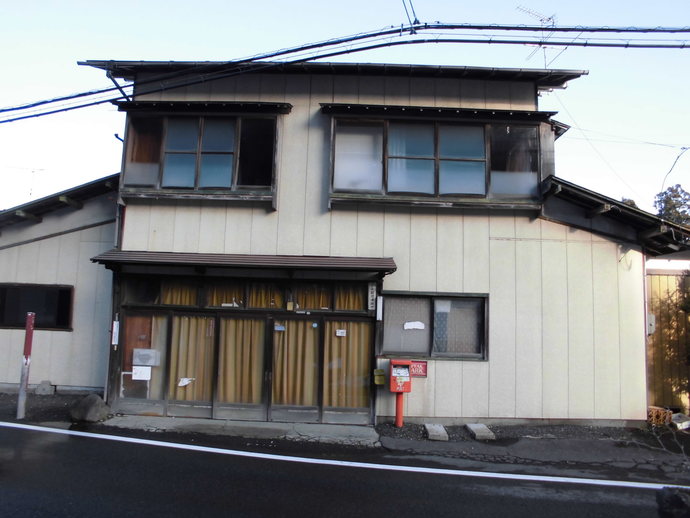
Rural 5DK Two-Story Home in Toyoiwa, Akita City with 1,071 sqm Land & Kitchen Garden
Toyoiwa Toyomaki Aza Dainichizawa, Akita City, Akita, Japan
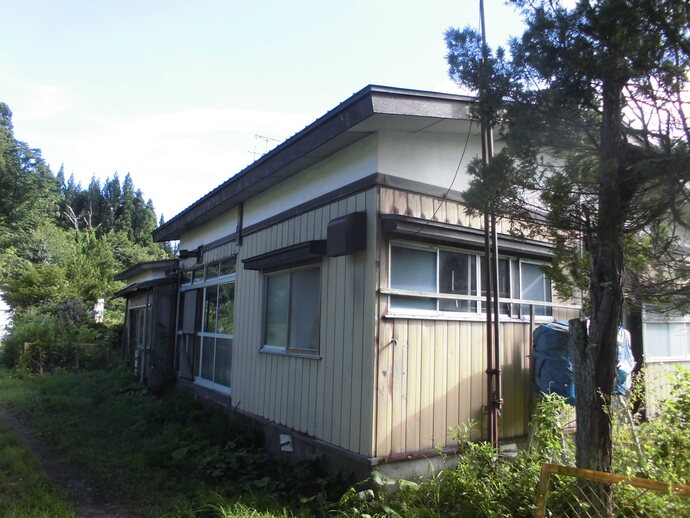
Nature-Surrounded 7DK Two-Story Home in Taihei, Akita City with 1,014 sqm Land
Taihei Yamaya, Akita City, Akita, Japan
5K Two-Story Wooden Home in Shogunno Minami, Akita City with 206 sqm Land
Shogunno Minami 5-chome, Akita City, Akita, Japan