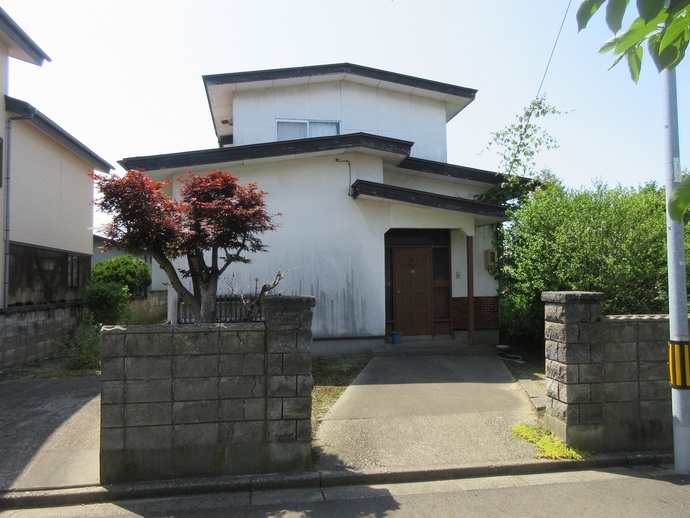
6DK Two-Story Home Near JR Tsuchizaki Station in Akita — 362 sqm Land, Major Renovation Needed
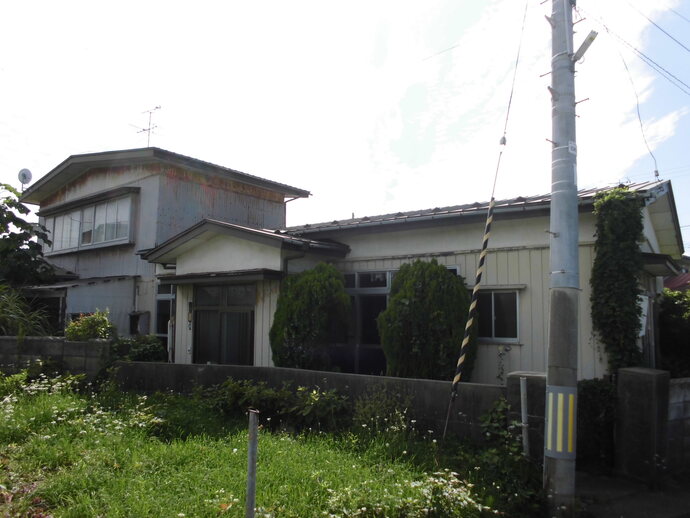
# A ¥1.48 Million Home Minutes from the Train: Akita City's Rawest Akiya Deal Comes with Real Strings Attached
Imagine owning a six-room, two-story Japanese home on a plot larger than four tennis courts, within a ten-minute walk of a train station, in a real city — for under $10,000 USD. That sentence sounds like it belongs in a clickbait headline, but this listing in Tsuchizaki, Akita City, is exactly that. The catch? It earns that price honestly. This property demands serious buyers, serious budgets, and serious due diligence — but for the right person, it may represent one of the most compelling akiya entry points in northern Japan.
---
Tsuchizaki: Akita's Working Port Neighbourhood with Surprising Livability
Tsuchizaki sits in the northwestern corner of Akita City, a compact district shaped by its history as a port and oil-field community. It's not a tourist town, and it doesn't pretend to be. What it offers instead is genuine urban infrastructure — schools, hospitals, supermarkets, and rail access — in a neighbourhood that still feels distinctly local. The JR Tsuchizaki Station connects to Akita City's main station in under fifteen minutes, making this area genuinely viable for commuters or anyone who needs to move around the prefecture without a car.
The surrounding streets blend older wooden homes with the kind of functional mid-century townscape common across northern Honshu. There's a Shōwa-era rhythm to the area — unhurried, practical, and surprisingly self-contained. The nearby elementary and junior high schools, a memorial hospital within a kilometre, and a supermarket within easy walking distance mean that daily life here doesn't require much compromise.
Akita Prefecture as a whole faces significant demographic headwinds — it consistently ranks among Japan's most rapidly aging regions — and Tsuchizaki is no exception. But that same context is precisely why properties like this one are available at prices that would have seemed impossible a decade ago.
---
Who Should Be Looking at This Property?
This is not a renovation project for someone who wants to move in next spring. It's a project for a buyer who either has construction experience, a trusted network of Japanese contractors, or the patience and capital to manage a long-haul rehabilitation.
The 6DK layout — six rooms across two floors, totalling over 150 square metres of floor space — makes this interesting for several buyer profiles. An investor targeting long-term rental income would find the estimated gross yield worth examining, particularly given the transit access and proximity to schools and medical services. A family or individual looking to create a substantial Japanese home base — perhaps for extended stays or remote work — could find the generous floor plan and garden appealing. The kitchen garden (家庭菜園) and dedicated snow-disposal area signal that previous occupants took the property seriously as a long-term home.
The demolition option also opens a third path: a land buyer who simply wants a well-located urban plot in a commercially zoned area, cleared and ready for new construction.
---
Renovation Reality: Budget for the Worst, Hope for Less
Built in 1970, this home has never been seismically assessed, and buyers should proceed on the assumption that it does not meet current earthquake resistance standards. Major repairs are explicitly flagged. That means any responsible budget needs to account for structural investigation before cosmetic work even enters the conversation.
The road access restriction under Article 43 of the Building Standards Act adds a layer of legal complexity. Rebuilding or significant extension isn't simply a matter of calling a contractor — it requires a formal permit application. Importantly, a pre-consultation has already been completed and accepted, which suggests the pathway is not closed, but it does mean lead times and additional administrative steps are baked into any serious development plan. Buyers should engage a licensed Japanese architect (建築士) early in the process.
There is no on-site parking, which in a snow-country city is a meaningful gap. Factor in either a nearby parking contract or the cost of reconfiguring the site — though the latter circles back to the Article 43 constraint.
---
The Bigger Akiya Picture — and Why This One Stands Out
Japan's akiya inventory now exceeds nine million properties, and the vast majority sit in locations where "transit accessible" means a twenty-minute drive to a bus stop. This property breaks that pattern. A 450-metre walk to a staffed JR station, in a prefectural capital, on a commercially zoned plot, at a price below a used hatchback — that combination is genuinely rare.
The risks here are real and worth repeating: structural unknowns, seismic uncertainty, a permit-dependent rebuild pathway, and the realities of Akita's winters. None of those are dealbreakers for the informed buyer — but all of them require honest planning.
If this property has caught your attention, the full specifications and listing details are available on japancheaphouses.com. Start there, then talk to a bilingual architect or property consultant before your next step. The due diligence investment here is modest compared to what a decision made without it could cost.
Interested in this property?
See the full specs, photos, exact location on the map, and contact us about viewing or buying.
View Full Listing →More properties in Akita
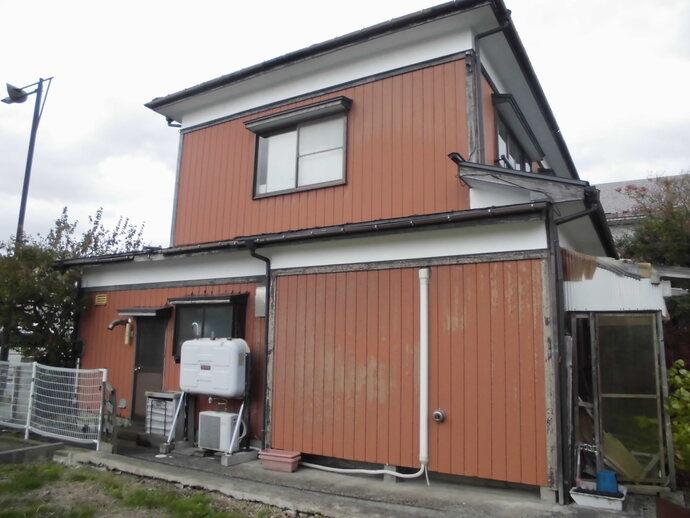
Convenient 5LDK Two-Story Home Near Akita University Hospital in Hiromo, Akita City
Hiromo Aza Ienonoshita, Akita City, Akita, Japan
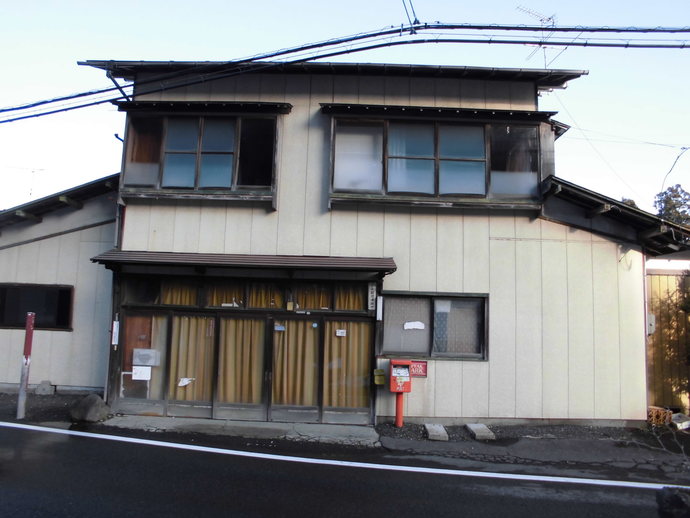
Rural 5DK Two-Story Home in Toyoiwa, Akita City with 1,071 sqm Land & Kitchen Garden
Toyoiwa Toyomaki Aza Dainichizawa, Akita City, Akita, Japan
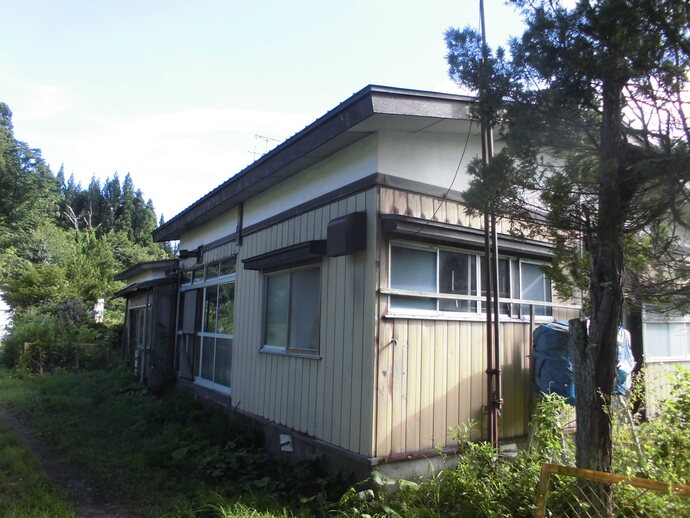
Nature-Surrounded 7DK Two-Story Home in Taihei, Akita City with 1,014 sqm Land
Taihei Yamaya, Akita City, Akita, Japan
5K Two-Story Wooden Home in Shogunno Minami, Akita City with 206 sqm Land
Shogunno Minami 5-chome, Akita City, Akita, Japan