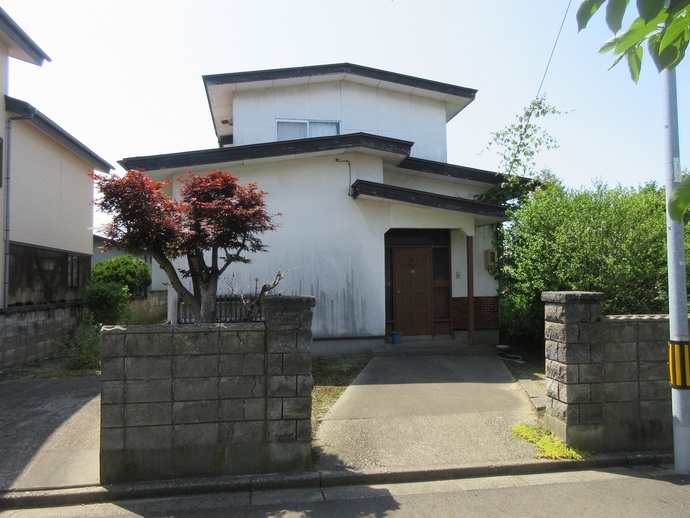
Spacious 3LDK Two-Story Home Near Akita University Hospital in Shimokitate, Akita City
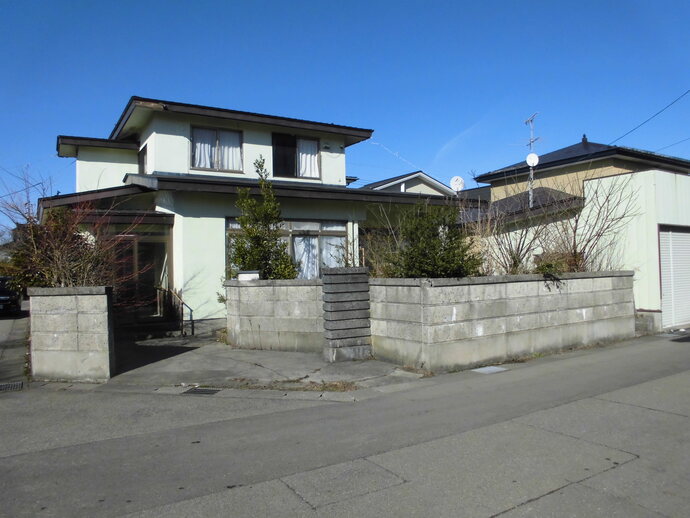
# A Quiet Corner of Akita City: Is This ¥8 Million Two-Story Home Your Gateway to Tohoku Living?
Picture this: a crisp Akita morning, snow dusting a traditional Japanese garden, the rhythm of a nearby city humming just far enough away to feel like background music rather than noise. That's the lived reality on offer with this two-story timber home in Shimokitate — a property that sits in a genuinely useful urban pocket, priced at a level that invites serious attention from international buyers exploring Japan's akiya market.
At roughly $53,000 USD, this isn't a remote mountain gamble. It's a suburban residential property in a functioning neighborhood of Akita City, with proximity to a major hospital, a university, and the kind of everyday infrastructure that makes a place actually livable.
---
Akita City's Hidden Residential Layer
Most visitors know Akita Prefecture for its folklore festivals, nihonshu culture, and the dramatic Oga Peninsula coastline. Fewer appreciate that Akita City itself — the prefectural capital with a population around 300,000 — has real residential depth. The Shimokitate area sits adjacent to the established Hiroma district, a part of the city with genuine neighborhood character rather than the anonymity of newer suburban sprawl.
The proximity to Akita University Hospital (about a kilometer away) shapes this neighborhood significantly. It draws hospital staff, medical students, and healthcare workers who need reliable, walkable housing. That's not a trivial detail — it's the core of why the estimated 7.5% gross yield projection carries some credibility here. A property this close to a major employer in a mid-sized city has a tenant pool that more isolated akiya simply cannot access.
The lot itself sits within a First-Class Low-Rise Residential zone, which caps building density and protects the quiet, low-rise character of the street. For buyers who value stability over speculative redevelopment potential, that designation is reassuring.
---
Who Should Be Interested — And Why
This property suits a few distinct buyer profiles. First, the rental investor: someone comfortable with Japanese property management, either hands-on or through a local agent, who wants a regional city asset with real yield potential rather than a symbolic countryside purchase. The layout — a spacious LDK, multiple traditional Japanese rooms, and practical storage — works well for small families or shared housing arrangements common among hospital and university staff.
Second, the relocating foreigner: Japan's regional cities are increasingly welcoming to international residents, and Akita City has been proactive about it. If you're considering a slower pace of life, a genuine connection to Japanese seasons and culture, and a cost of living dramatically lower than Tokyo or Osaka, this is the kind of neighborhood where that life is actually feasible.
Third, the renovation-curious buyer who wants a project in an accessible location, not hours from the nearest hardware store.
---
Renovation Reality: Budgeting Beyond the Purchase Price
Built in 1975 (Showa 50), this home is approaching its half-century mark, and the listing is transparent about that: some repairs are required, though the scope hasn't been formally assessed. That's a critical distinction. "Some repairs" in a 50-year-old Japanese timber home can mean cosmetic refresh or it can mean structural work — and you genuinely won't know without bringing in a licensed inspector.
The absence of seismic resistance certification and building condition survey means the buyer is purchasing without a professional baseline. For a home predating Japan's landmark 1981 earthquake resistance reforms, this is something to take seriously, not set aside. A post-purchase seismic evaluation and potential retrofitting could add ¥500,000–¥2,000,000 or more to your budget depending on findings.
The septic tank (rather than public sewer connection) and kerosene bath are functional but dated features. They're manageable — many Tohoku homes operate this way — but factor in ongoing maintenance. The unregistered garage structure also needs legal attention; a judicial scrivener can typically regularize this, but it adds process and cost.
Budget ¥2–5 million in renovation and compliance work as a conservative baseline, more if the structural inspection surfaces surprises.
---
A Serious Option in a Misunderstood Market
Akita Prefecture consistently ranks among Japan's fastest-depopulating regions, which is precisely why motivated sellers and realistic pricing coexist here. This property reflects that dynamic: a genuinely habitable home in a serviceable location, priced well below replacement cost, with income potential that would be impossible to replicate in any major Japanese city.
If this property's blend of urban convenience, rental yield potential, and Tohoku character speaks to your situation, the full listing details — specs, photos, and inquiry route — are available at japancheaphouses.com. Do your diligence, bring in an inspector, and take this one seriously.
Interested in this property?
See the full specs, photos, exact location on the map, and contact us about viewing or buying.
View Full Listing →More properties in Akita
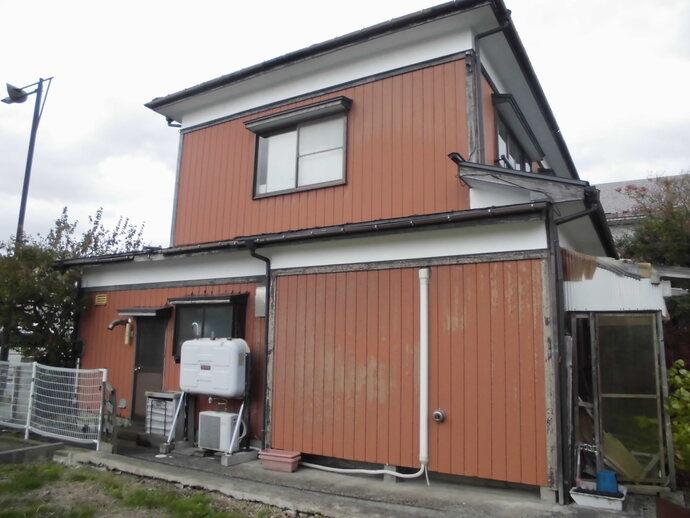
Convenient 5LDK Two-Story Home Near Akita University Hospital in Hiromo, Akita City
Hiromo Aza Ienonoshita, Akita City, Akita, Japan
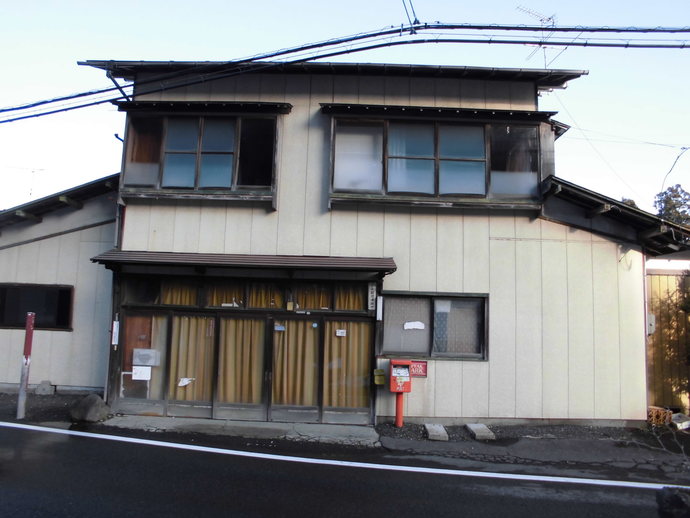
Rural 5DK Two-Story Home in Toyoiwa, Akita City with 1,071 sqm Land & Kitchen Garden
Toyoiwa Toyomaki Aza Dainichizawa, Akita City, Akita, Japan
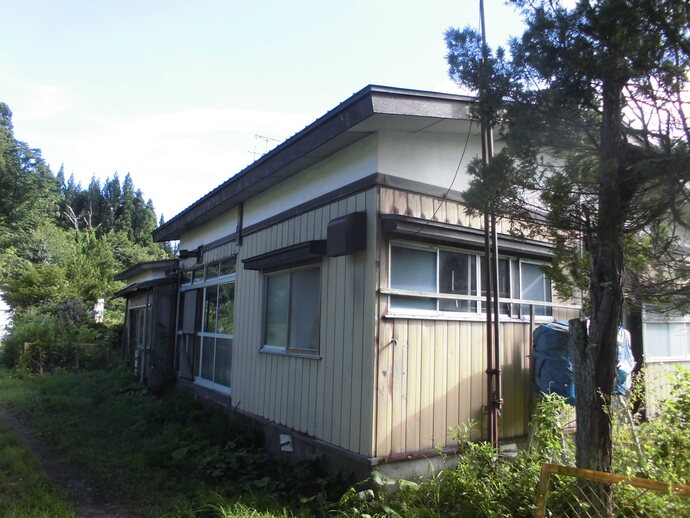
Nature-Surrounded 7DK Two-Story Home in Taihei, Akita City with 1,014 sqm Land
Taihei Yamaya, Akita City, Akita, Japan
5K Two-Story Wooden Home in Shogunno Minami, Akita City with 206 sqm Land
Shogunno Minami 5-chome, Akita City, Akita, Japan