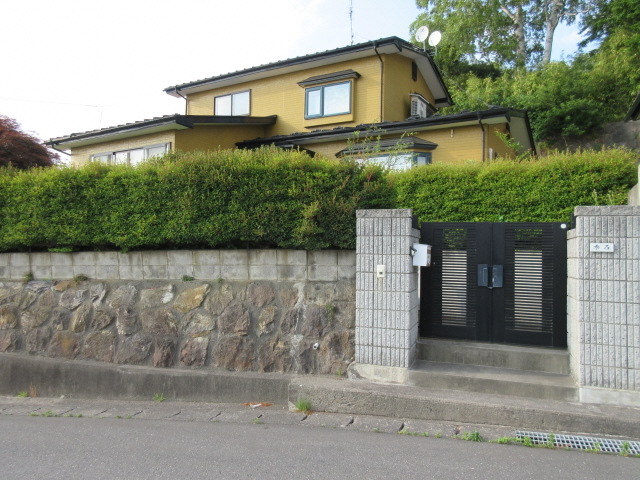
9DK Two-Story Wooden Home in Minato, Hachinohe with 217 sqm Land
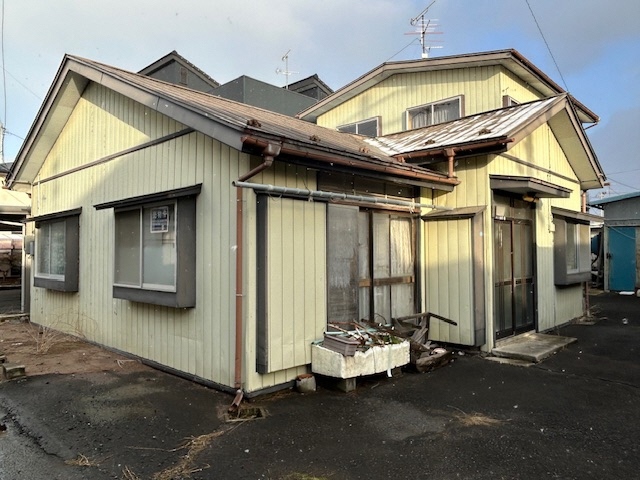
# A Sprawling Nine-Room Home Near Hachinohe's Working Waterfront — For Under $26,000
Imagine owning a nine-room home in a coastal city with real infrastructure, real neighbors, and real daily convenience — for roughly the price of a used car in North America. That's the proposition sitting quietly in the Minato district of Hachinohe, a port city in Aomori Prefecture that most international property hunters have never heard of. For the right buyer, that obscurity is the opportunity.
---
Hachinohe's Minato District: Gritty, Genuine, and Surprisingly Livable
Hachinohe isn't a postcard town. It's a working city — Japan's second-largest Pacific-coast fishing port — and Minato is its maritime heart. The neighborhood carries the honest energy of a place built around industry and daily life rather than tourism or aesthetics. That's not a drawback; it's a feature for buyers who want to actually *live* in Japan rather than perform a countryside fantasy.
The Shiroganecho area where this property sits is a genuinely walkable slice of that district. Schools, a supermarket, a post office, and bus access are all within comfortable reach on foot. For foreign residents navigating Japanese life without a car — at least initially — that kind of ground-level convenience is worth more than raw square footage. Aomori Prefecture as a whole is one of Japan's most affordable regions, with a shrinking population that has pushed residential prices to levels that feel almost implausible by international standards.
---
Nine Rooms, 60-Plus Years, and a Renovation Challenge Worth Considering
This is a 9DK layout across two stories, which translates to a genuinely large home — the kind of floor plan that raises an obvious question: what do you do with nine rooms? The answer depends entirely on who you are. A large family relocating from overseas would find room to breathe. A buyer with an eye toward shared housing or small-scale rental income might see natural partitioning potential. Remote workers dreaming of a dedicated studio, a guest room, and a proper home office could have all three and still have space left over.
But the 1962 construction date demands honesty. This building is more than six decades old and was completed well before Japan's 1981 seismic code revision — the watershed moment that introduced modern earthquake-resistance standards. That's not an automatic disqualifier, but it is a non-negotiable inspection item. A professional structural survey is essential before any purchase decision, and the results should shape both your renovation budget and your risk tolerance. Older wooden homes in northern Japan have also contended with generations of heavy snowfall, which adds its own stress to roofs, foundations, and framing. Assume meaningful remediation costs and plan accordingly.
---
The Road Frontage Issue: Small Problem or Deal-Breaker?
The most important caveat here isn't the building's age — it's the access road. The street fronting this property measures approximately 2.5 metres wide, which falls short of the 4-metre minimum required under Japan's Building Standards Act. In practical terms, this creates two concerns: getting construction vehicles and materials onto the site becomes logistically complicated, and the property may face restrictions on full rebuilding if the structure were ever demolished. Japanese regulations often require property owners to observe a *setback* — effectively surrendering a strip of land to the road boundary — before new construction is permitted.
This matters for renovation planning. Structural work that requires heavy machinery access may cost more or take longer than a comparable project on a standard-width street. Buyers must consult with the relevant municipal authority to clarify the exact setback obligations for this plot before committing.
---
Who This Property Is Really For
This is not a weekend retreat or a passive investment you'll manage from abroad with minimal involvement. It's a serious project for a buyer who is either relocating to Japan, has local contacts to manage a renovation, or is experienced enough with Japanese property law to navigate the setback and seismic questions confidently. At ¥3.8 million, the price is low enough to absorb meaningful renovation costs and still land well below what comparable space would cost almost anywhere else in the developed world.
If that describes you — or the person you'd like to become — this Hachinohe property deserves a closer look. Browse the full specifications and photos on japancheaphouses.com, and reach out through the site to begin the inquiry process through Hachinohe City's akiya registry programme.
Interested in this property?
See the full specs, photos, exact location on the map, and contact us about viewing or buying.
View Full Listing →More properties in Aomori
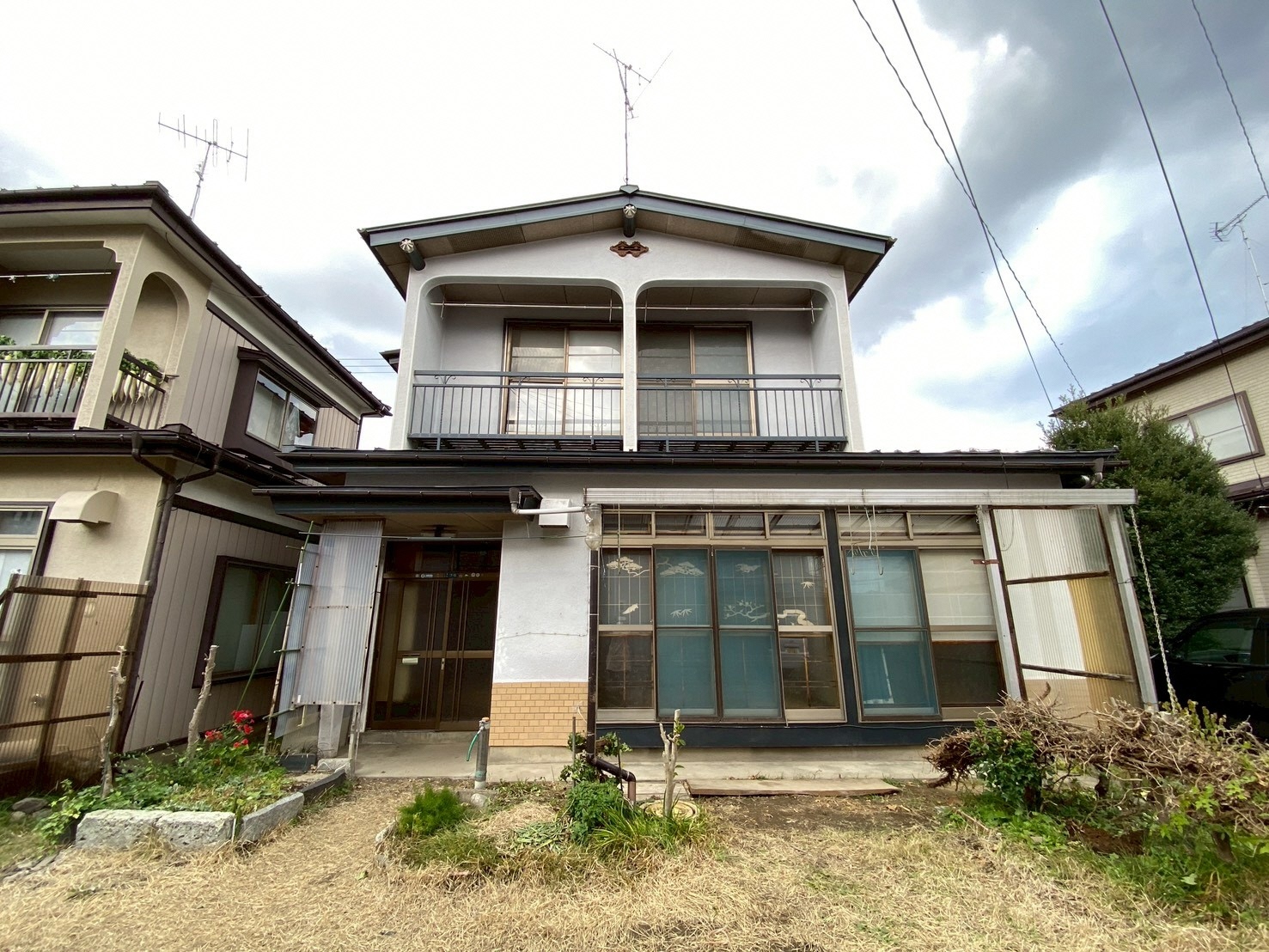
4DK Two-Story Wooden Home in Hachinohe Yoko 4-chome with 121 sqm Land
Yoko 4-chome, Hachinohe City, Aomori, Japan
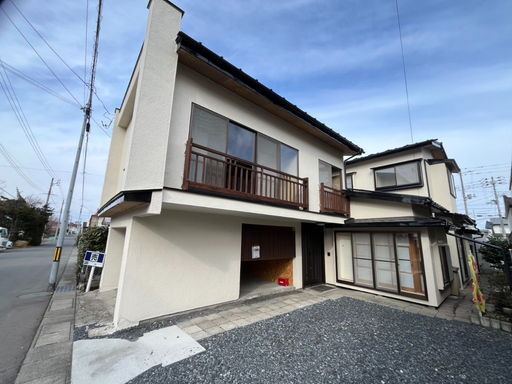
Move-In Ready Renovated Kominka with Garage in Neijo, Hachinohe — 5DK, 144 sqm
Neijo 6-chome, Hachinohe City, Aomori, Japan
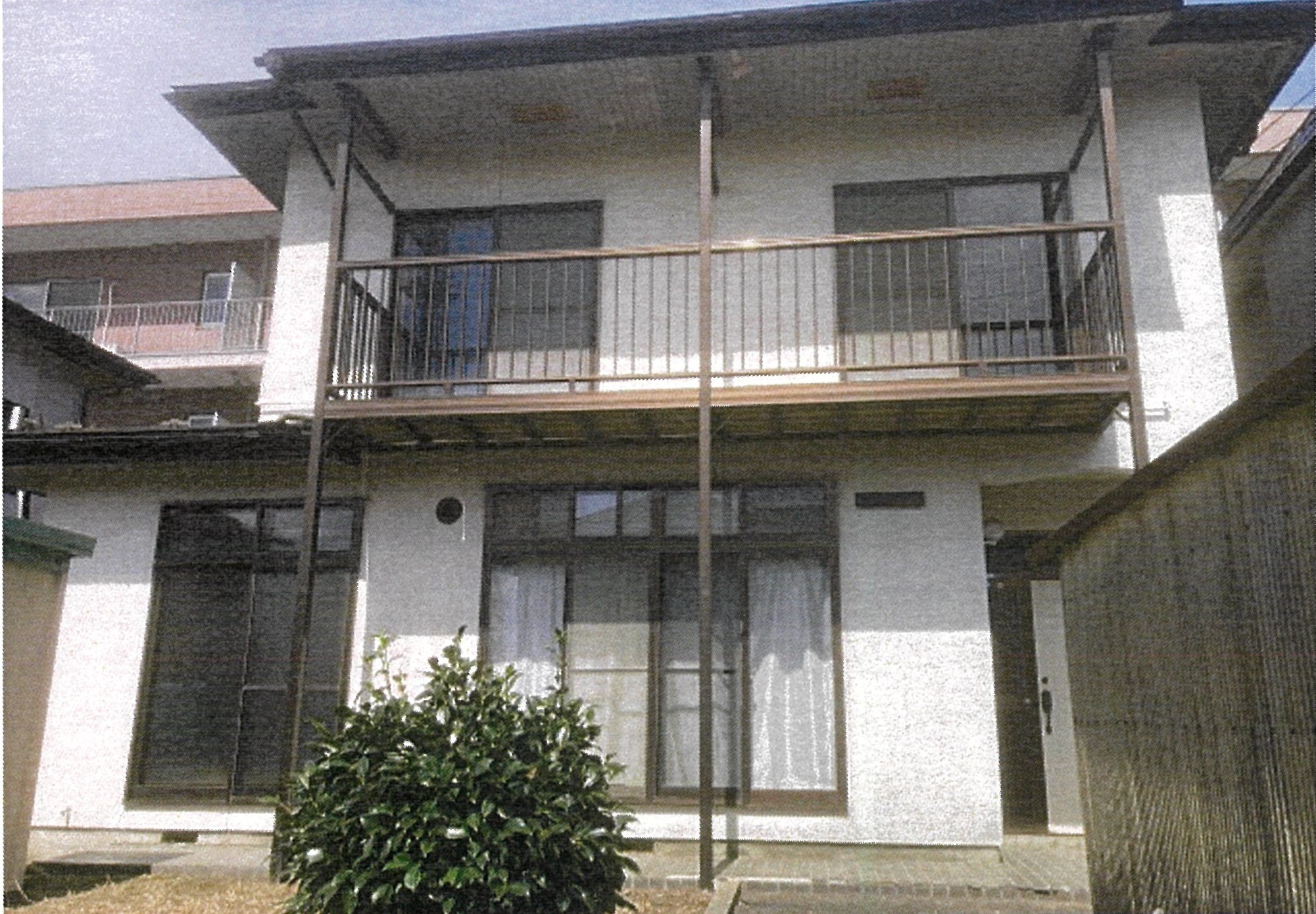
Quiet Residential 5K Two-Story Home in Niida, Hachinohe with 165.8 sqm Land
Niida, Hachinohe City, Aomori, Japan
Renovated 3LDK Two-Story Home in Niida, Hachinohe with 344 sqm Land & Concrete Garage
Niida Ushikuramori, Hachinohe City, Aomori, Japan