Move-In Ready Renovated Kominka with Garage in Neijo, Hachinohe — 5DK, 144 sqm
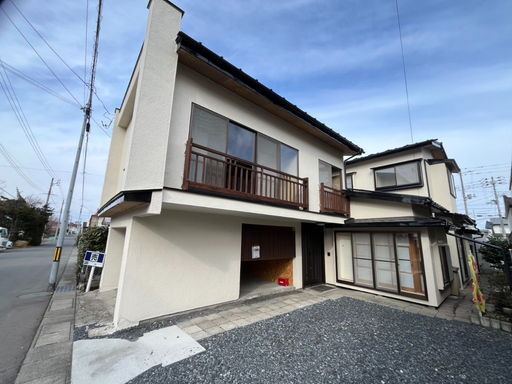
# A Renovated Kominka in Hachinohe That's Actually Ready to Live In
Most akiya hunting stories follow a familiar arc: you fall in love with a photo, you visit the property, you discover a collapsed ceiling, a rodent situation, and a septic system from the Showa era that no living plumber will touch. Then you either walk away or spend three years and ¥8 million turning it into something habitable.
This listing in Neijo, Hachinohe breaks that pattern — and that alone makes it worth a serious look.
---
Hachinohe: The Northern City That Quietly Delivers
Aomori Prefecture tends to conjure images of Nebuta festival floats and apple orchards, but Hachinohe is a different beast entirely. It's the prefecture's second-largest city and arguably its most practical: a working port town with genuine infrastructure, a Shinkansen connection to Tokyo (under three hours), and a local economy that doesn't depend entirely on tourism to stay alive.
The Neijo district sits within this larger urban fabric — residential, well-served by schools, and the kind of neighbourhood where families have put down roots for generations. It isn't remote countryside. There's no romanticised isolation here, no kerosene lamp aesthetic. What you get instead is a traditional kominka sitting comfortably within a functioning city, with a garage, nearby schools, and public transport access that makes daily life genuinely manageable — including through Aomori's famously heavy winters.
That combination of urban convenience and traditional architecture is rarer than it sounds.
---
Who Actually Buys a Property Like This?
At ¥17.8 million (roughly $119,000 USD), this sits in interesting territory — high enough to suggest the renovation was real and substantial, low enough that it remains accessible to buyers who couldn't stomach a full gut-renovation project.
The natural fit here is a family relocating from a major Japanese city, drawn by the regional lifestyle, lower cost of living, and the spaciousness that a 5DK layout affords. Hachinohe has been quietly building a reputation among remote workers and young families making the inaka move without sacrificing all urban amenity.
It also merits attention from rental investors. The estimated gross yield of around 6% is creditable for a regional Japanese property, and the proximity to two schools — elementary and junior high both within walking distance — gives it genuine appeal to the tenant demographic most likely to stay long-term: families with school-age children.
For foreign buyers specifically, the move-in ready condition significantly lowers the complexity of the purchase. Coordinating major renovations from overseas, in a language you may not be fluent in, with contractors you've never met, is one of the hardest parts of akiya ownership. That friction is largely removed here.
---
Renovation Reality and the Risks You Shouldn't Skip
The word "renovated" is doing real work in this listing, and it deserves scrutiny. The property was built in 1969 — over half a century ago — using wooden-frame construction typical of the era. The listing itself explicitly flags this, and the advice it carries is worth taking seriously: commission an independent structural inspection before you commit.
This isn't pessimism. It's standard practice for any wooden building of this age in Japan, where seismic standards have evolved significantly since the original construction. A proper inspection will assess whether the renovation addressed structural integrity alongside cosmetic improvements, and whether any latent defects — common in older timber homes — are present beneath the fresh surfaces.
The tatami rooms and traditional interior elements are genuinely appealing, but they also require a different maintenance mindset than a modern apartment. Tatami needs replacing periodically, older joinery behaves differently across seasons, and heating a two-storey wooden home in Aomori winters is a real operational cost to factor into your budget.
None of these are dealbreakers. They are simply the honest terms of ownership.
---
The Broader Picture — and Why This One Stands Out
Japan's akiya wave has produced thousands of vacant homes listed at astonishing prices — but many of them demand extraordinary effort before they become liveable. The genuine value in this Neijo property is time: someone has already done the heavy lifting, preserved the kominka character, and handed it back in a condition where you can actually sleep there on day one.
In a market where that outcome is far from guaranteed, it matters.
If this property sounds like your kind of opportunity, full listing details, floor plans, and inquiry options are available at japancheaphouses.com — where every listing routes through a single, streamlined process designed specifically for international buyers navigating the Japanese property market.
Interested in this property?
See the full specs, photos, exact location on the map, and contact us about viewing or buying.
View Full Listing →More properties in Aomori
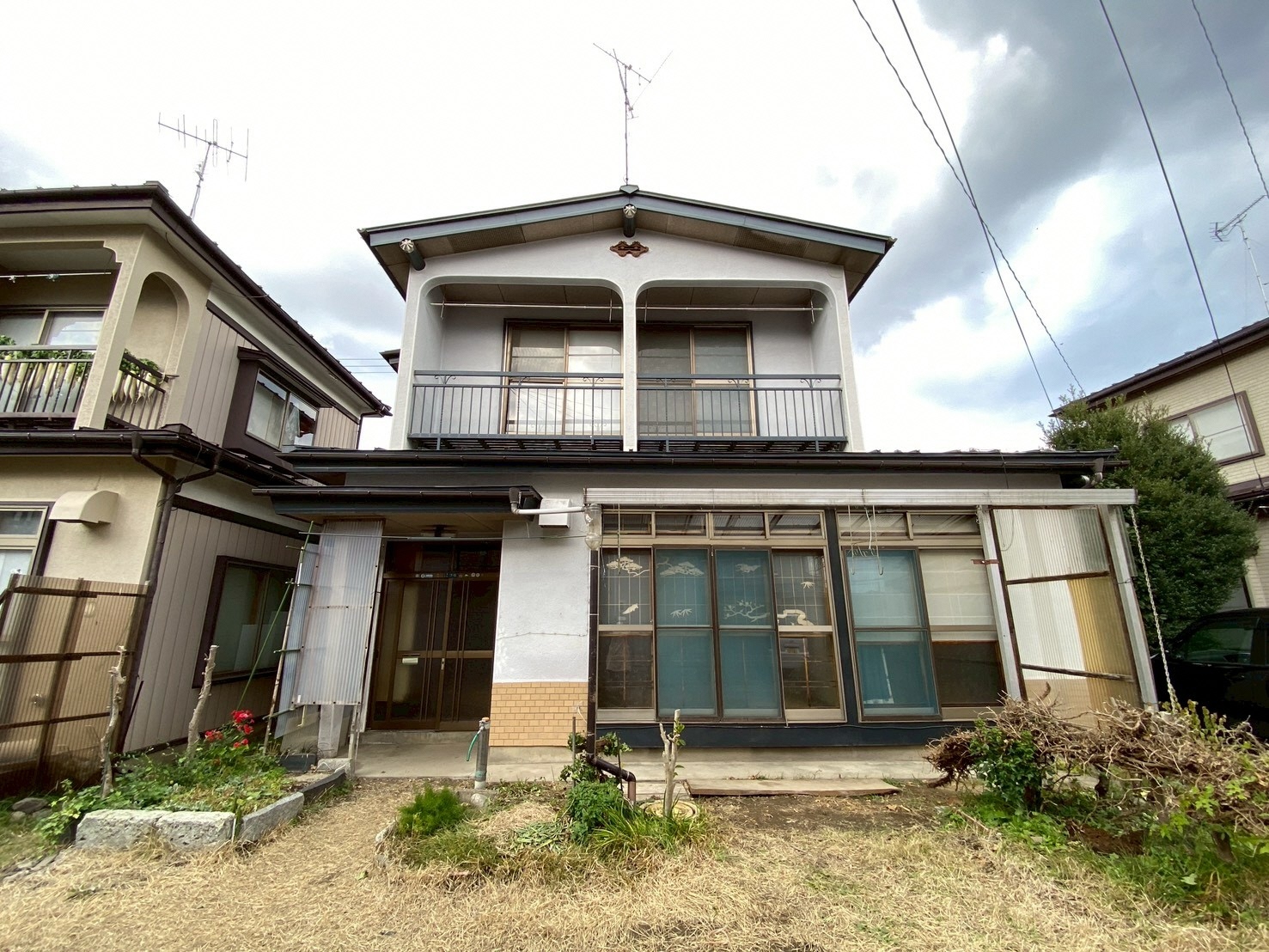
4DK Two-Story Wooden Home in Hachinohe Yoko 4-chome with 121 sqm Land
Yoko 4-chome, Hachinohe City, Aomori, Japan
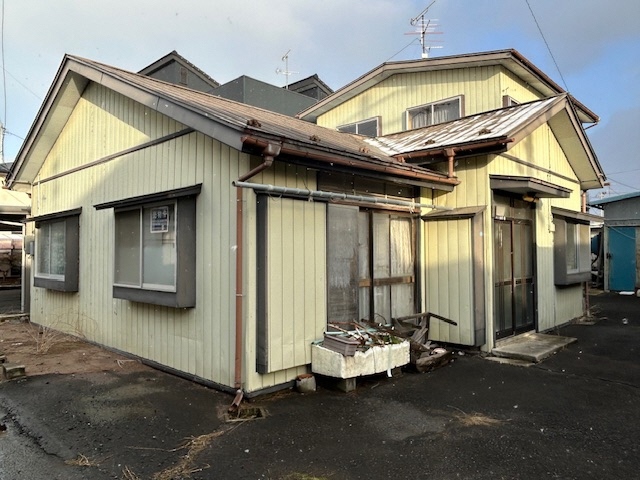
9DK Two-Story Wooden Home in Minato, Hachinohe with 217 sqm Land
Shiroganecho Hidariiwabuchiدوری, Hachinohe City, Aomori, Japan
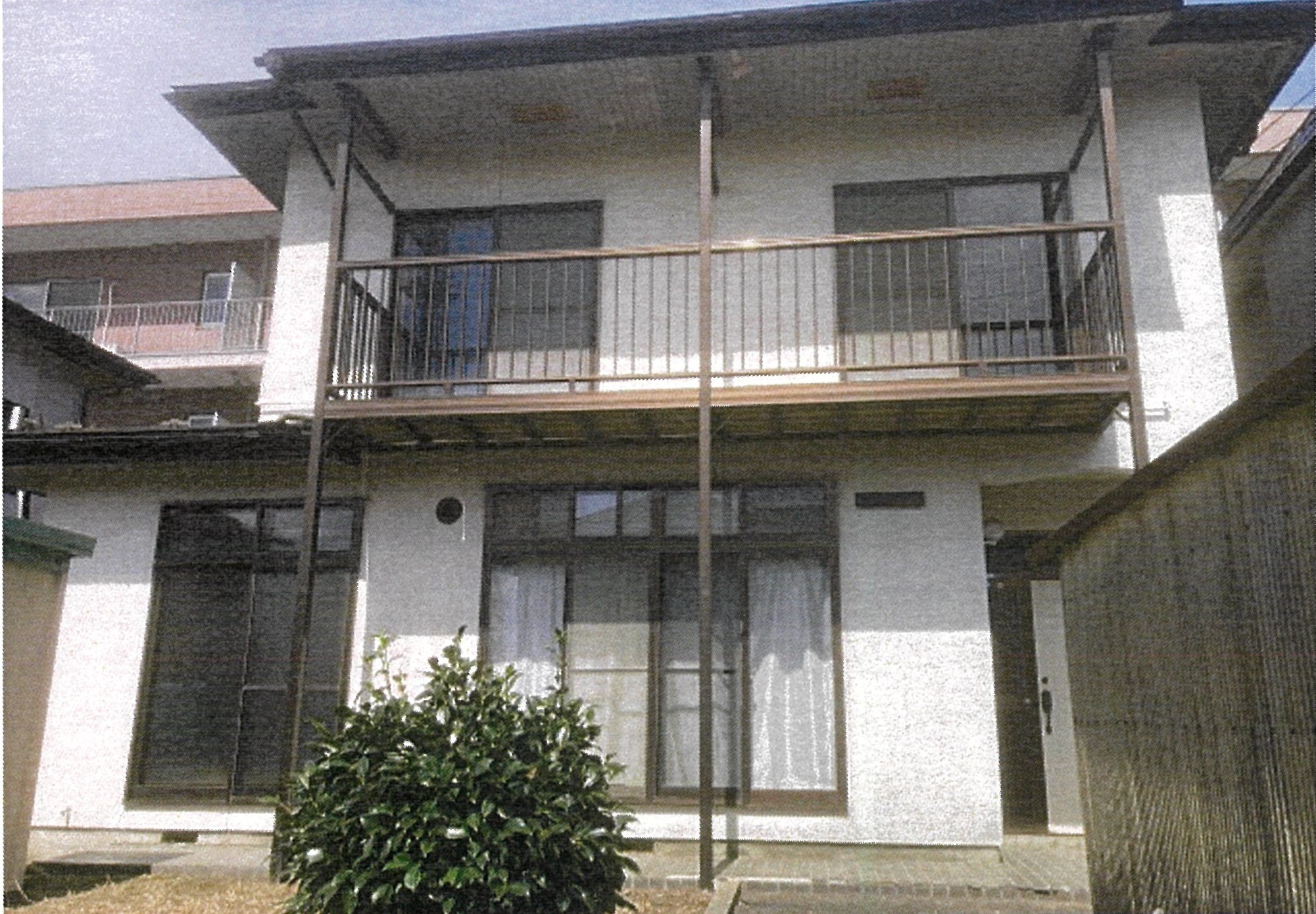
Quiet Residential 5K Two-Story Home in Niida, Hachinohe with 165.8 sqm Land
Niida, Hachinohe City, Aomori, Japan

Quiet Residential 4DK Two-Story Home in Hachinohe, 139.85 sqm Land
Tamenoki, Hachinohe City, Aomori, Japan