Quiet Residential 4DK Two-Story Home in Hachinohe, 139.85 sqm Land

# A ¥1.5 Million Family Home in Hachinohe: Northern Tohoku's Best-Kept Secret?
At roughly the price of a decent secondhand car, you can own a four-bedroom, two-story house in one of Aomori Prefecture's most livable cities. That's the quietly extraordinary proposition sitting behind this Tamenoki listing — and for the right buyer, it deserves serious attention.
---
Hachinohe: More City Than You Might Expect
Foreigners researching Aomori Prefecture tend to fixate on the prefectural capital or the apple orchards of Hirosaki. Hachinohe, tucked into the southeastern corner of the prefecture on the Pacific coast, often gets overlooked — which is precisely what makes it interesting from a property perspective.
This is not a sleepy rural hamlet. Hachinohe is Aomori's second-largest city, with a functioning economy built around fishing, manufacturing, and port logistics. It has Shinkansen access via Hachinohe Station, a hospital network anchored by the Red Cross facility (which, notably, is a four-minute walk from this property), and the kind of everyday infrastructure — supermarkets, schools, bus routes — that makes actual living, not just weekend retreating, genuinely viable.
The Tamenoki neighborhood where this house sits is a quiet residential pocket just off National Route 104. That combination — arterial road access without the noise of living on it — is exactly the kind of urban geography families tend to seek out. An elementary school is less than 400 meters away. This isn't countryside escapism; it's suburban Japan at a fraction of what you'd pay in Sendai or Sapporo.
---
Who Should Be Looking at This Property?
The 4DK layout across two stories suits a few distinct buyer profiles. The most obvious is a family — Japanese or international — looking to relocate to northern Japan and wanting space without a Tokyo-sized mortgage. Remote workers who've decoupled from any particular city will find Hachinohe's infrastructure more than adequate, and the quiet side-street setting genuinely delivers on the "peaceful environment" promise.
Investors should also pay attention. The estimated gross rental yield sits at 8%, which is meaningfully above what you'd find in Japan's major urban markets. Hachinohe has a stable population base compared to many akiya-heavy municipalities, and proximity to the hospital, schools, and transport makes this a property with genuine rental appeal — not just a speculative land play.
For the creatively minded, the footprint also offers scope. The 139-square-meter land parcel gives enough outdoor space to garden, park vehicles, or simply breathe — a luxury that feels extravagant to anyone who's lived in central Tokyo.
---
Renovation Realities: Eyes Open, Please
Here is where honesty matters more than enthusiasm. This home was built in 1975, which means it is approaching its half-century mark — and Japanese wooden construction from that era carries predictable implications. Seismic standards were significantly strengthened in Japan in 1981; this building predates that revision. A structural inspection by a qualified *kenchikushi* (licensed architect or building inspector) is not optional — it is essential before any purchase commitment.
Beyond seismic considerations, buyers should budget realistically for what a 50-year-old wooden home is likely to need: plumbing updates, electrical rewiring, insulation improvements (Aomori winters are serious — Hachinohe regularly sees temperatures well below freezing), and potentially roof and exterior cladding work. The listing itself flags no specific defects, which is not the same as a clean bill of health. Treat that as a starting point for investigation, not a reassurance.
Full renovation of a property this age can run anywhere from ¥3 million to ¥10 million or more depending on scope. Factor that into your total cost calculation, not just the headline purchase price.
---
The Bigger Picture: Akiya Momentum in Regional Japan
Japan's vacant home crisis has created an unusual inversion of normal real estate logic: properties in functional, well-serviced regional cities are available at prices that would have seemed absurd a decade ago. Hachinohe's municipal akiya registry — the channel through which inquiries on this property are routed — reflects a broader government push to return these homes to productive use, often with subsidies and support available to qualifying buyers, including some foreign nationals.
This particular listing represents that opportunity at its most accessible: a real house, in a real neighborhood, with real amenities, at a price that invites experimentation rather than demanding certainty.
If Hachinohe has been on your radar — or if it just got added to it — this is exactly the kind of property worth a closer look. Explore the full listing details and submit your inquiry through japancheaphouses.com.
Interested in this property?
See the full specs, photos, exact location on the map, and contact us about viewing or buying.
View Full Listing →More properties in Aomori
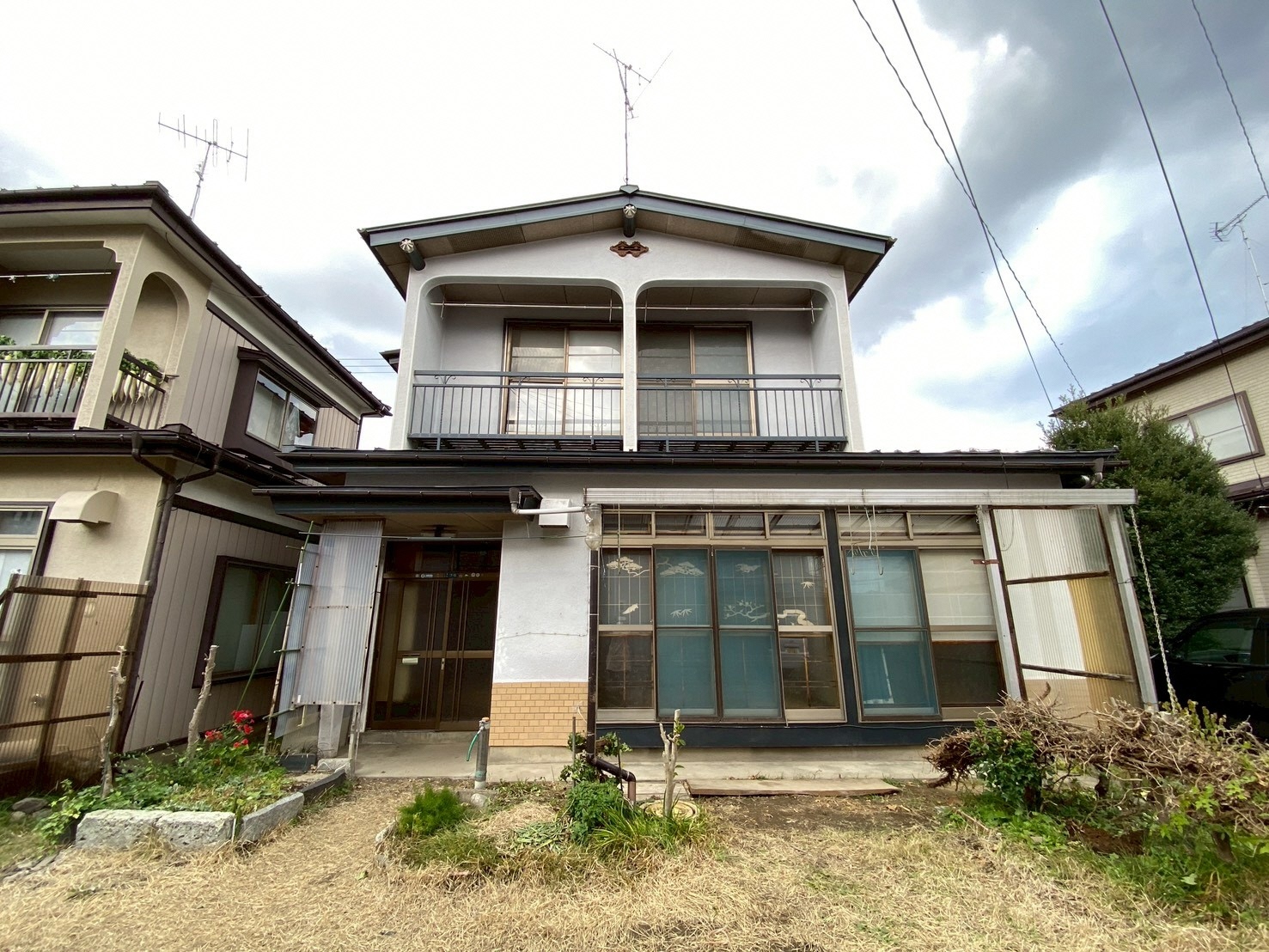
4DK Two-Story Wooden Home in Hachinohe Yoko 4-chome with 121 sqm Land
Yoko 4-chome, Hachinohe City, Aomori, Japan
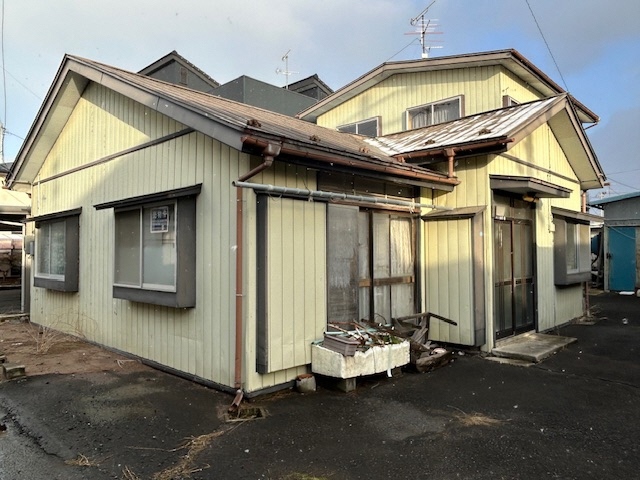
9DK Two-Story Wooden Home in Minato, Hachinohe with 217 sqm Land
Shiroganecho Hidariiwabuchiدوری, Hachinohe City, Aomori, Japan
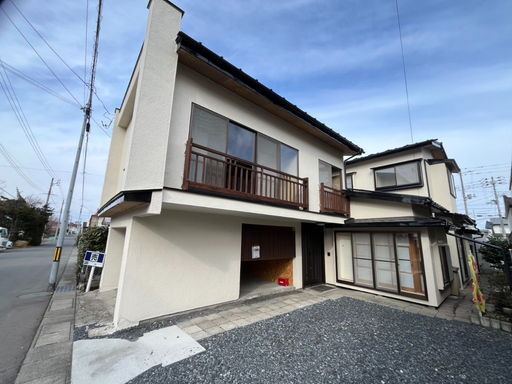
Move-In Ready Renovated Kominka with Garage in Neijo, Hachinohe — 5DK, 144 sqm
Neijo 6-chome, Hachinohe City, Aomori, Japan
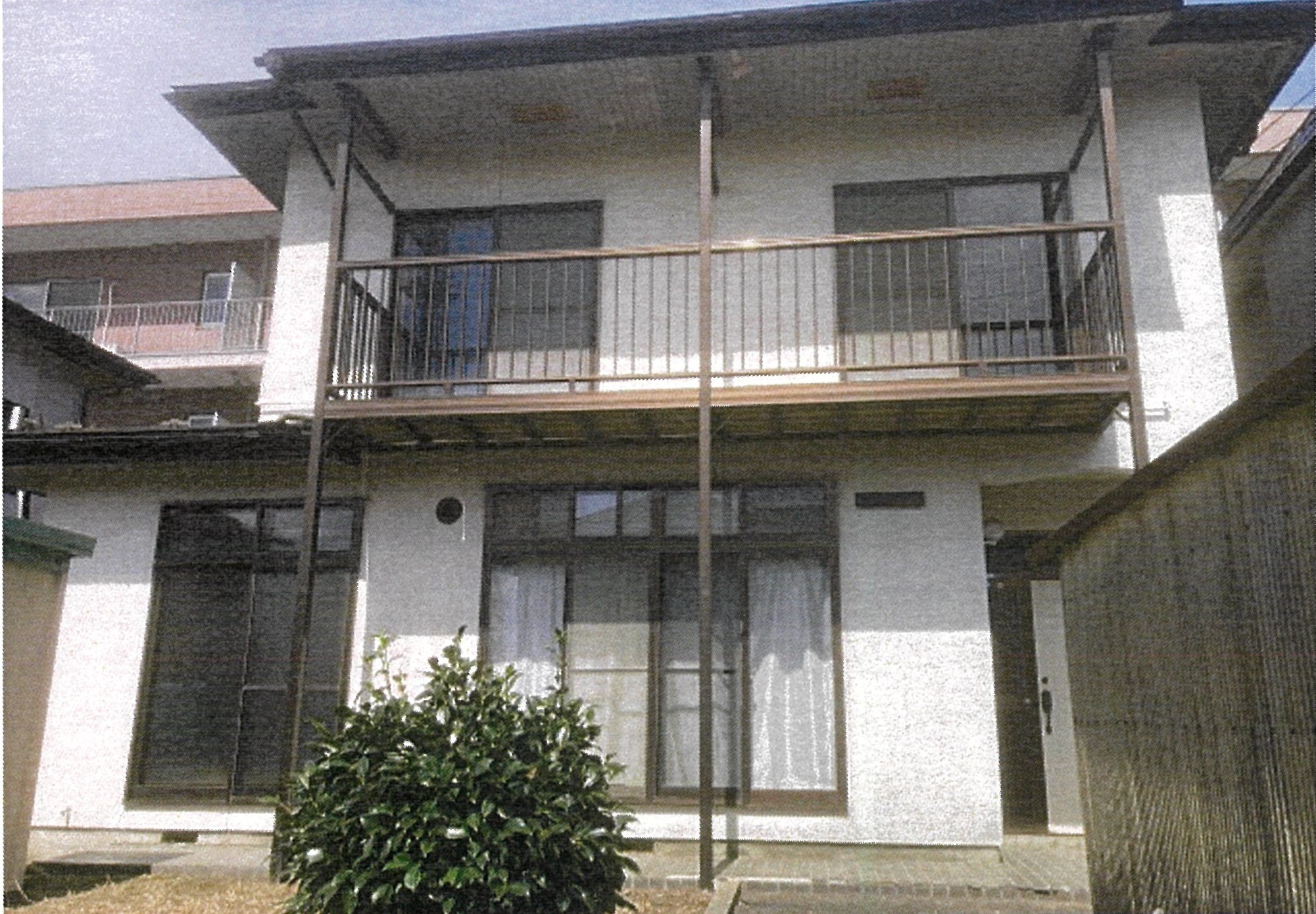
Quiet Residential 5K Two-Story Home in Niida, Hachinohe with 165.8 sqm Land
Niida, Hachinohe City, Aomori, Japan