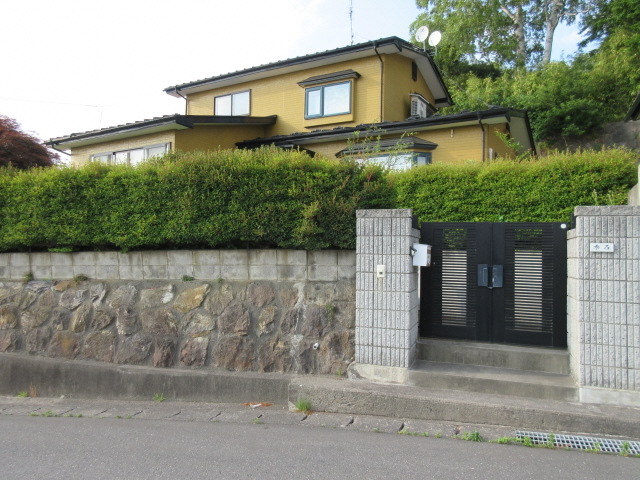
Quiet Residential 5K Two-Story Home in Niida, Hachinohe with 165.8 sqm Land
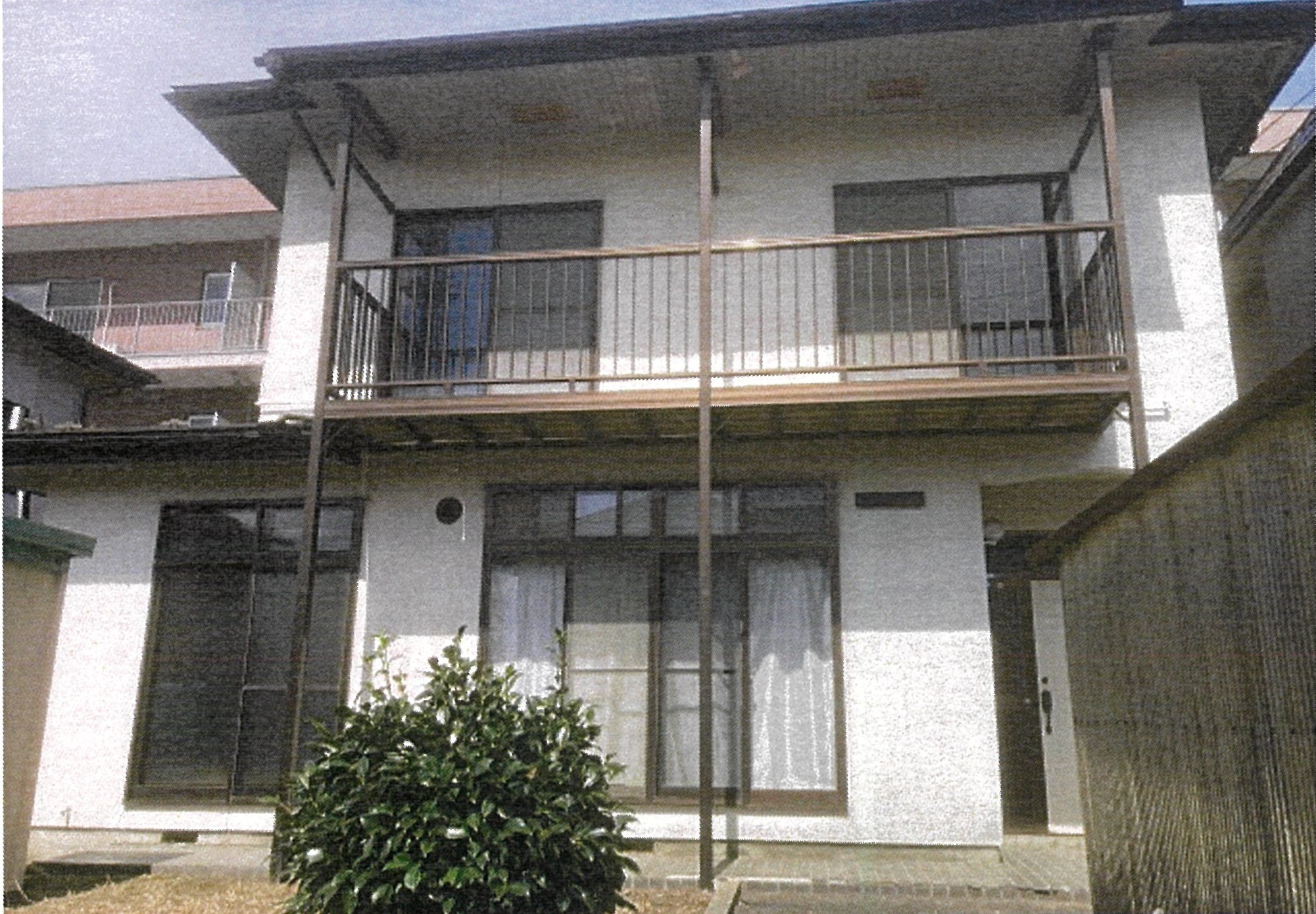
# A Quiet Corner of Hachinohe: Is This ¥6M Two-Story Home Your Gateway to Northern Japan?
Imagine waking up in a proper Japanese neighbourhood — not a tourist hotspot, not a hyped-up rural hamlet, but a real, lived-in residential district where kids walk to school and supermarkets are a few minutes away. That's the quiet promise of this five-room, two-storey home in the Niida district of Hachinohe City, listed at just ¥6,000,000 (roughly $40,000 USD). For buyers who've grown tired of sifting through crumbling mountain farmhouses or remote countryside gambles, this one deserves a closer look.
---
Hachinohe: The Northern City That Often Gets Overlooked
Hachinohe sits at the southeastern tip of Aomori Prefecture, facing the Pacific Ocean — and it punches well above its weight for a mid-sized Japanese city. It has a Shinkansen station connecting it to Tokyo in under three hours, a working fishing port, a surprisingly vibrant arts and festival culture (the Sansha Taisai festival is UNESCO-listed), and the kind of unpretentious, workaday energy that international buyers rarely associate with "rural Japan."
The Niida district, where this property sits, is a settled residential area — the kind of neighbourhood where infrastructure exists, neighbours are established, and everyday life functions smoothly. The proximity to grocery stores within a few minutes by car matters more than it might seem. In many akiya markets, "convenient location" is a generous stretch. Here, it's straightforward fact.
For buyers drawn to northern Japan's dramatic winters, seafood culture, and relatively affordable cost of living, Hachinohe offers something rare: genuine urban amenity without Tokyo pricing.
---
Who Is This Property Actually For?
This is not a weekend retreat or an aesthetic renovation project for someone chasing Instagram-worthy beams and engawa verandas. The 5K layout — five rooms in a compact, functional configuration — is fundamentally a family home or a long-term rental investment.
The investment angle is worth taking seriously. An estimated gross rental yield of around 6% is competitive for Japan's regional cities, where yields in popular tourist areas have compressed significantly. With two schools under 1.2 km away and everyday shopping within easy reach, the tenant profile is obvious: young families, working couples, local professionals. This isn't speculative rental territory — it's bread-and-butter residential demand.
For a foreign buyer considering Japan residency, a long-stay visa pathway, or simply a foothold in a city with real infrastructure, this property offers something a lot of akiya don't: functional liveability without massive imagination required.
---
Renovation Reality: What 40-Plus Years in Northern Japan Means
Here's where honesty matters. This home was built in 1983 — which places it just after Japan's landmark 1981 seismic code revision (known as the *shin-taishin* standards). That's a meaningful distinction: post-1981 homes were built to stricter earthquake resistance requirements than the vast majority of older akiya on the market. However, "built to the new standard" and "still fully compliant forty years later" are different things. Timber-frame homes of this era in Aomori — where winters are heavy, snowfall is real, and humidity fluctuates dramatically — need to be assessed with clear eyes.
A professional building inspection (*kentiku-shi* survey) before purchase is not optional here; it's essential. Buyers should budget for the possibility of roof repairs, insulation upgrades, and systems replacements (plumbing, electrical, heating). The listing itself notes that actual current condition takes precedence over any photographs or floor plans — a standard but important disclosure that signals the need for on-site due diligence before committing.
Budget conservatively. A ¥2–4 million renovation envelope on top of the purchase price is a reasonable planning assumption, though a survey could reveal more or less.
---
The Broader Akiya Picture — And Why This One Stands Out
Japan's akiya problem is well-documented: millions of vacant homes, depopulating regions, and municipalities struggling to match properties with buyers. What's less discussed is the quality spread within that market. Many listed vacant homes are genuinely uninhabitable, located in areas with no services, or encumbered by legal complexities involving inherited ownership.
This Hachinohe listing sidesteps several of those common pitfalls. It's in a city with functioning services. It's registered through the city's official vacant house registry. It has a legible investment case alongside its residential one.
That combination — urban convenience, yield potential, and a manageable (if real) renovation challenge — is harder to find than it looks.
---
Curious whether this Niida property fits your Japan real estate plans? Full specifications, photos, and inquiry details are available on the listing page at japancheaphouses.com. Every purchase journey starts with an on-site visit — and this one is worth the trip north.
Interested in this property?
See the full specs, photos, exact location on the map, and contact us about viewing or buying.
View Full Listing →More properties in Aomori
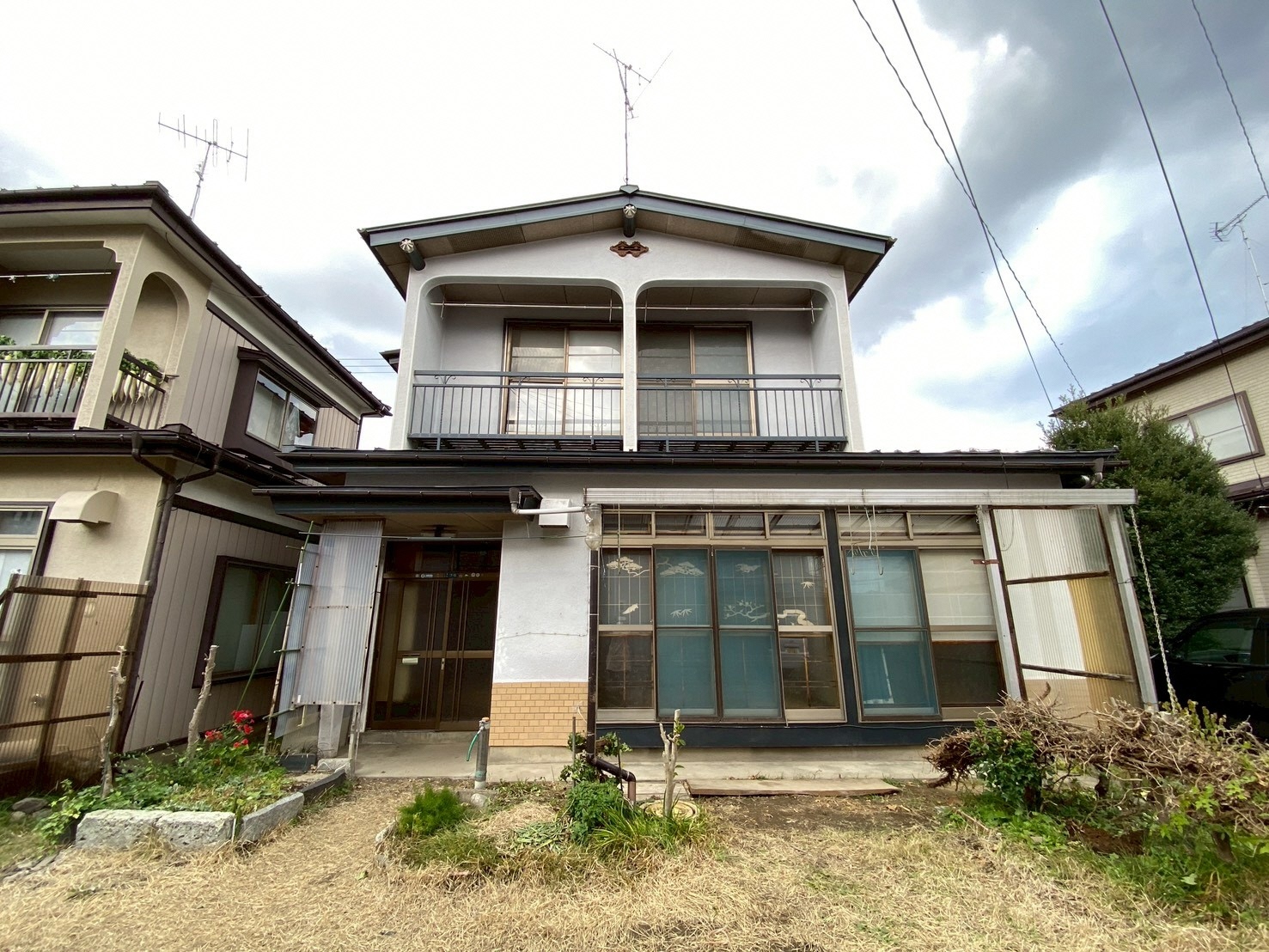
4DK Two-Story Wooden Home in Hachinohe Yoko 4-chome with 121 sqm Land
Yoko 4-chome, Hachinohe City, Aomori, Japan
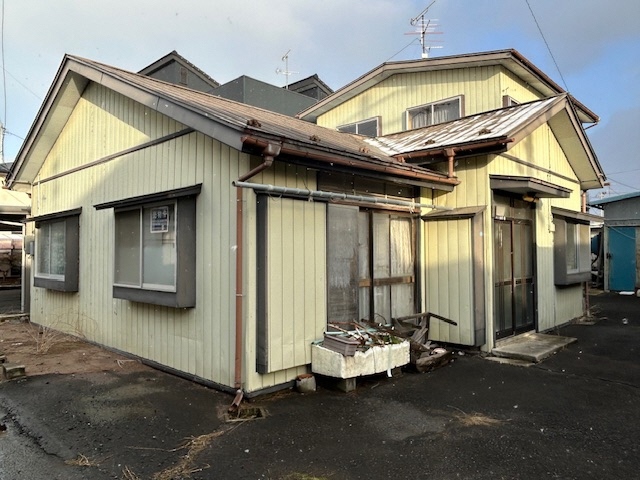
9DK Two-Story Wooden Home in Minato, Hachinohe with 217 sqm Land
Shiroganecho Hidariiwabuchiدوری, Hachinohe City, Aomori, Japan
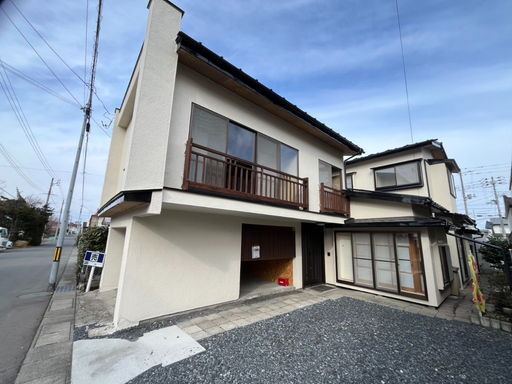
Move-In Ready Renovated Kominka with Garage in Neijo, Hachinohe — 5DK, 144 sqm
Neijo 6-chome, Hachinohe City, Aomori, Japan
Renovated 3LDK Two-Story Home in Niida, Hachinohe with 344 sqm Land & Concrete Garage
Niida Ushikuramori, Hachinohe City, Aomori, Japan