4DK Two-Story Wooden Home in Hachinohe Yoko 4-chome with 121 sqm Land
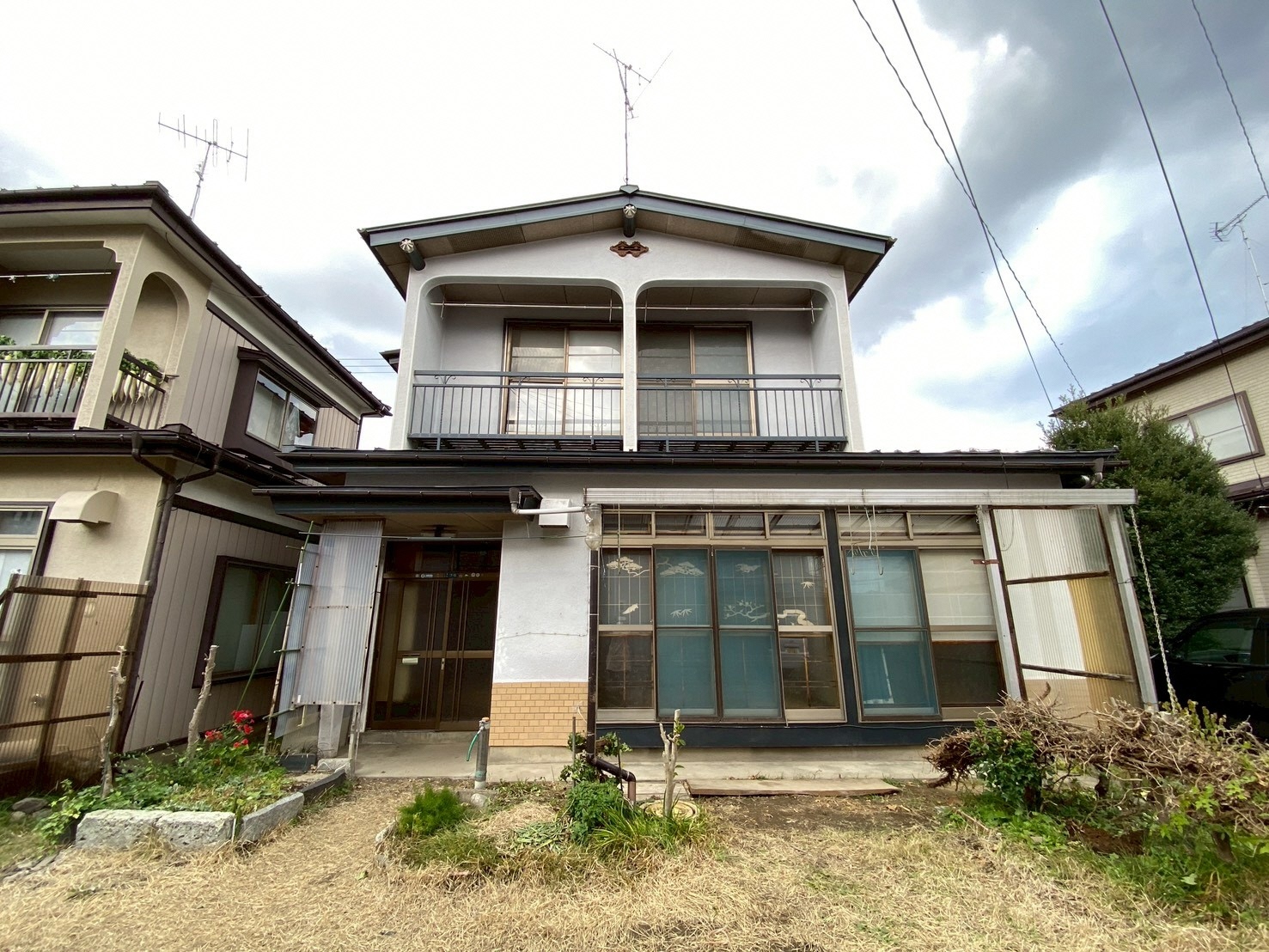
# A Family Home at the Edge of the Pacific North: Hachinohe's Hidden Akiya Opportunity
There's a certain kind of buyer who looks at a 46-year-old wooden house in northern Japan and sees not a liability, but a canvas. If that's you — and you're comfortable rolling up your sleeves, or hiring someone who will — this Hachinohe property might be exactly the kind of deal that defines the akiya moment.
At under ¥3 million, this two-story 4DK sits in a city that most foreign buyers have never heard of. That's precisely the point.
---
Hachinohe: Japan's Overlooked Industrial Port with a Quiet Residential Soul
Hachinohe is Aomori Prefecture's second-largest city, and it punches well above its weight. Home to one of Japan's most productive fishing ports, a growing food-processing industry, and direct Shinkansen access to Tokyo in roughly three hours, this is not a dying rural backwater — it's a mid-sized regional city with genuine economic infrastructure.
The Chuo area, where this property sits, is Hachinohe's urban core zone. Yoko 4-chome is a residential pocket within easy reach of everyday conveniences — supermarkets, clinics, transit connections. It's the kind of neighbourhood where established families put down roots for decades, which is reflected in the housing stock: solid, older homes built when Japan's construction boom was at full throttle.
For buyers nervous about committing to truly remote akiya — the mountain hamlet, the coastal village with no shops — Hachinohe offers a compelling middle path: city amenities, a functioning rental market, and prices that still reflect regional discount.
---
Who Is This Property For?
The 4DK layout — four rooms plus a kitchen-dining space across two floors — makes this genuinely versatile. A family relocating from Tokyo or Osaka chasing affordability and space will immediately recognise the value here. Proximity to both an elementary school and a junior high school within walking or short cycling distance isn't an afterthought; it's a meaningful practical asset.
But this property also makes sense as a buy-to-let investment play. The estimated gross yield sits at 7%, which is respectable for a regional Japanese city and reflects genuine rental demand in the area rather than wishful speculation. Hachinohe's workforce population — port workers, manufacturing employees, local government staff — creates a steady tenant base that doesn't fluctuate with tourism seasons.
Remote workers considering a lifestyle relocation should also take notice. Hachinohe has invested in digital infrastructure, and the Shinkansen link means you're not permanently cut off from urban Japan when client meetings call.
---
Renovation Reality: What You're Actually Signing Up For
Let's be honest about the building. Constructed in 1978, this wooden home predates Japan's landmark 1981 revision to the Building Standards Act — the revision that introduced modern earthquake-resistance requirements (新耐震基準). That matters enormously in a country as seismically active as Japan, and Aomori is no exception.
Before any purchase, a professional structural inspection (既存住宅状況調査) is essential, not optional. The listing itself flags this directly, and for good reason. Northern Japan's winters are punishing — heavy snow loads, freeze-thaw cycles, and decades of humidity take a toll on wooden structures that photographs simply cannot convey. The gap between what a listing shows and what you find on-site can be significant, which is why in-person inspection is non-negotiable.
Budget realistically for seismic retrofitting if the structure warrants it, as well as insulation upgrades (Hachinohe winters are genuinely cold), and likely kitchen and bathroom modernisation. A full renovation of a property this size in regional Tohoku might run ¥3–6 million depending on scope — potentially doubling your all-in cost, but still leaving you well below comparable properties in warmer, more fashionable prefectures.
---
The Broader Akiya Moment — and Why Timing Matters
Japan's vacant house count now exceeds nine million properties. Hachinohe, like most regional cities, is actively managing this inventory through its municipal akiya registry system, which is the channel through which this property is listed. That infrastructure exists because local governments *want* these homes occupied — which can translate to smoother transaction processes and, in some cases, municipal support programs worth investigating.
The window for deals at this price point won't remain open indefinitely. As international awareness of Japan's akiya market grows, the most accessible regional cities — with transport links, urban services, and real rental markets — will attract more competition first.
---
Ready to explore this Hachinohe property further? Full specifications, floor plans, and inquiry options are available on the listing page at japancheaphouses.com. Take the next step before someone else does.
Interested in this property?
See the full specs, photos, exact location on the map, and contact us about viewing or buying.
View Full Listing →More properties in Aomori
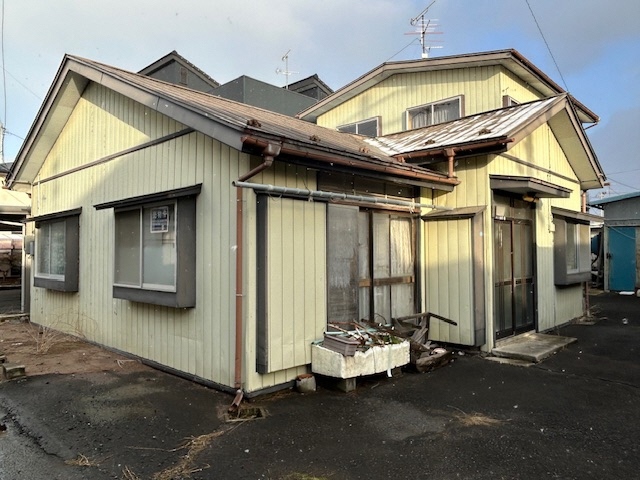
9DK Two-Story Wooden Home in Minato, Hachinohe with 217 sqm Land
Shiroganecho Hidariiwabuchiدوری, Hachinohe City, Aomori, Japan
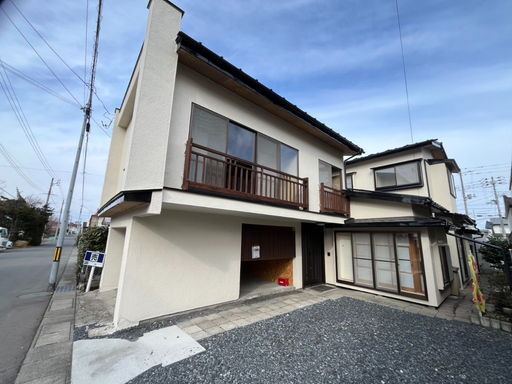
Move-In Ready Renovated Kominka with Garage in Neijo, Hachinohe — 5DK, 144 sqm
Neijo 6-chome, Hachinohe City, Aomori, Japan
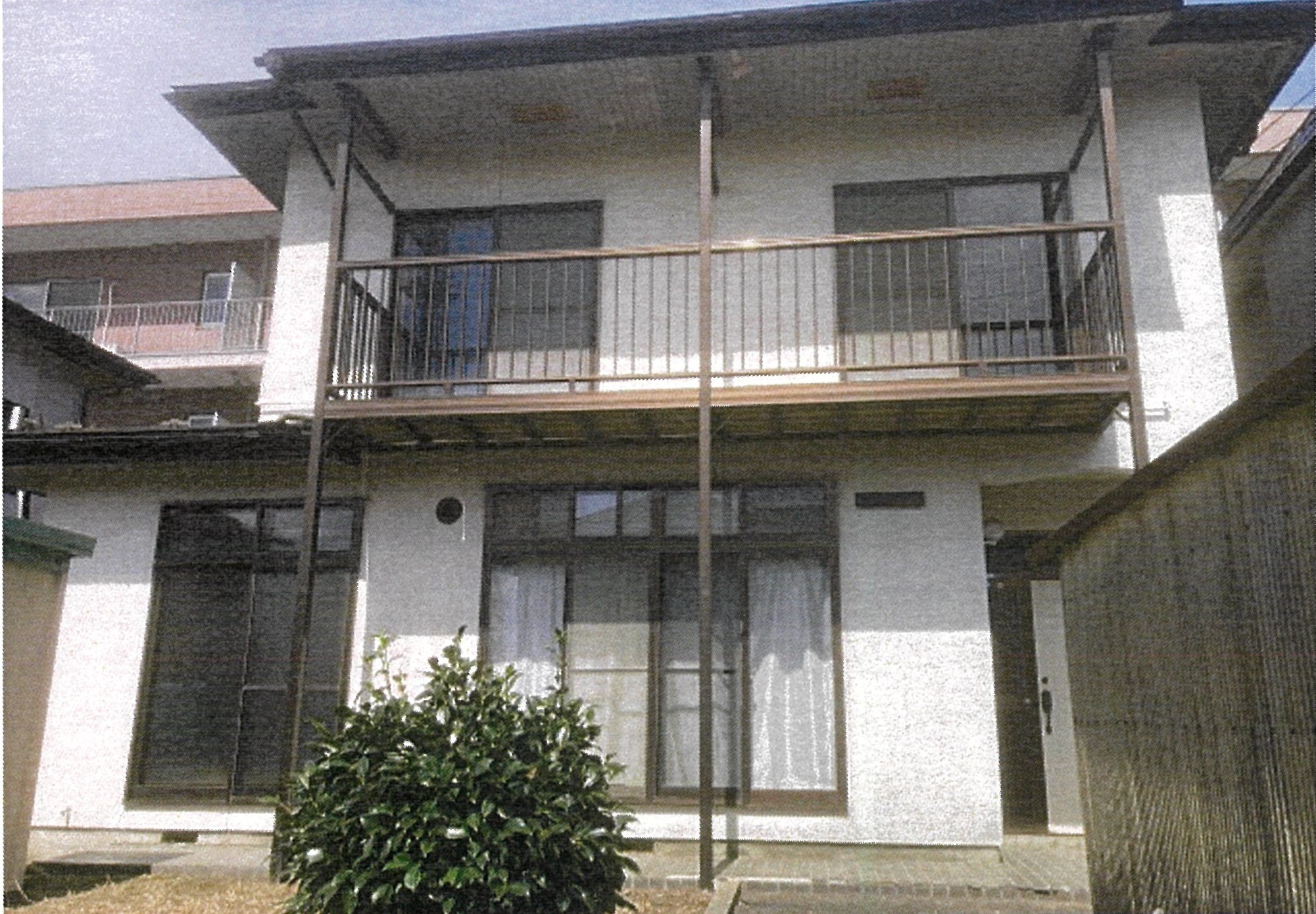
Quiet Residential 5K Two-Story Home in Niida, Hachinohe with 165.8 sqm Land
Niida, Hachinohe City, Aomori, Japan

Quiet Residential 4DK Two-Story Home in Hachinohe, 139.85 sqm Land
Tamenoki, Hachinohe City, Aomori, Japan