Quiet Dead-End 5DK Two-Story Wooden Home in Niida, Hachinohe – 198 sqm Land
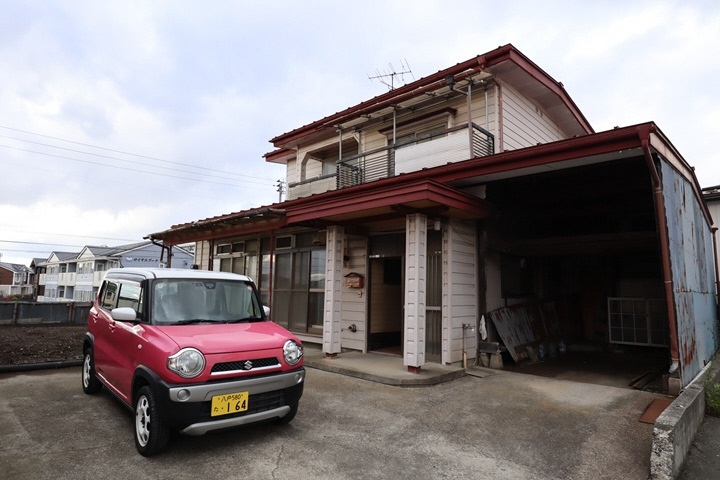
# A Dead-End Street in the Best Possible Way: This Hachinohe Akiya Has Quiet Written All Over It
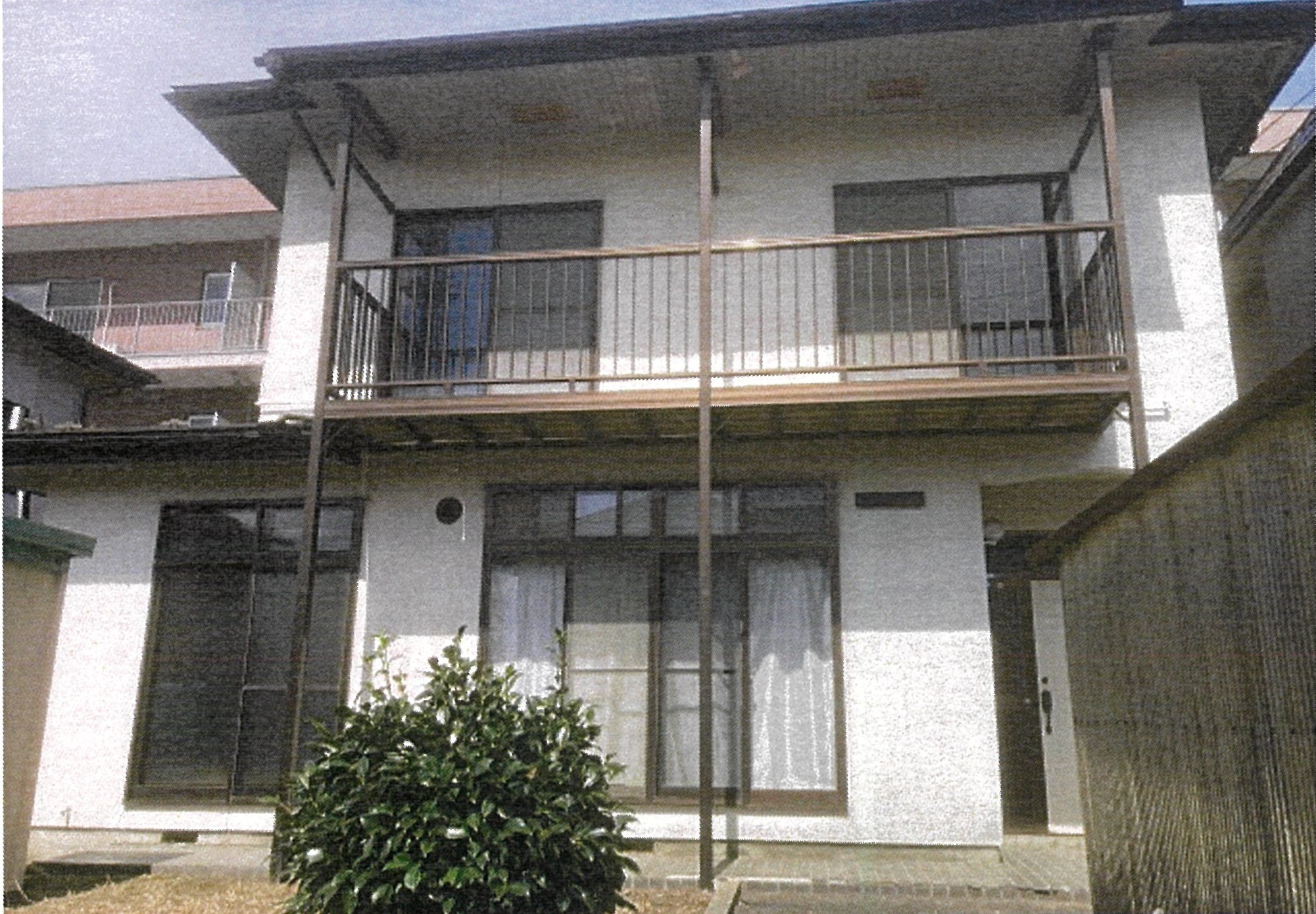
Imagine arriving home to a street where no car has any reason to pass your door. No through traffic, no delivery trucks cutting corners, no strangers rolling slowly past. Just your house, your parking, and the kind of stillness that most urban and suburban dwellers spend their weekends chasing. That's the daily reality on offer with this 1978 two-storey wooden home in the Niida district of Hachinohe — and at roughly the price of a reliable used car in Western markets, it deserves a serious look.
---
Hachinohe: Aomori's Underrated Urban-Rural Sweet Spot
Hachinohe City sits on the Pacific coast of Aomori Prefecture, the northernmost point of Honshu, and it occupies a genuinely interesting position in the Japanese regional landscape. It's large enough to have real infrastructure — hospitals, supermarkets, a Shinkansen connection to Tokyo — yet still deeply connected to the agricultural and fishing traditions that define the Tohoku coast. The city isn't a quaint rural backwater, but it's far removed from the density and cost of Sendai or Sapporo.
The Niida area specifically, and the Terasawashimo neighbourhood where this property sits, represents the quieter residential fringe that Japanese families have long preferred for raising children: low traffic, proximity to schools, and a community character that hasn't been overwritten by development. For a foreign buyer, this is less the dramatic mountain-village akiya dream and more the sensible suburban akiya reality — and that's not a downgrade.
---
Who Actually Fits This Property?
The 5DK layout across two floors and 93-plus square metres of floor space makes this a genuinely liveable family home, not a renovation project that exists primarily on a spreadsheet. At the estimated gross yield of 8%, investors who are comfortable managing a regional rental in Tohoku will find the numbers worth scrutinising. At under ¥4 million (~$26,667 USD), the entry cost is low enough that even modest local rental income creates meaningful returns.
That said, this property also speaks clearly to the semi-retired or remote-working couple looking to establish a low-cost Japanese base. Two parking spaces, school-adjacent (Niida Elementary is under two kilometres away), genuinely quiet street — this is a home that works as a home, which not every akiya can honestly claim.
---
Renovation Realities: What to Budget For
Here's where honesty matters. The property was built in 1978, which places it just before Japan's landmark 1981 seismic code revision. That means a structural inspection (耐震診断, *taishin shindan*) isn't optional — it's essential. Hachinohe City, like most Japanese municipalities, offers subsidised inspection programmes, and buyers should pursue this before any offer.
The more immediately pressing issue is the toilet system. The current setup is a pit-style cesspit (汲取り) fitted with a simplified flush mechanism — functional, but not what most international buyers will expect as a long-term solution. Upgrading to a full flush system or connecting to municipal sewerage is achievable but carries real cost: budget conservatively between ¥500,000 and ¥1,500,000 depending on which route is viable for this plot and street. Get quotes early. This is a known, solvable problem — but it shouldn't be a surprise after purchase.
Beyond that, a nearly 50-year-old wooden structure in a cold, northern prefecture will inevitably have wear in insulation, window sealing, and possibly flooring. A thorough in-person inspection — which the listing itself explicitly requires — is the only way to scope the true renovation ceiling.
---
The Broader Akiya Moment — and Why This One Stands Out
Japan's akiya inventory continues to expand as rural and regional populations contract. Many of these properties are deeply rural, legally complicated, or structurally precarious. What distinguishes this Hachinohe listing is relative straightforwardness: a real city, genuine nearby amenities, a workable layout, and risks that are identifiable rather than hidden. The cesspit toilet is disclosed. The 1978 build date is disclosed. The condition-precedence disclaimer is disclosed. That transparency is worth something.
---
Curious whether this quiet dead-end in Hachinohe could be your next Japanese chapter? Full specifications, floor plans, and photo galleries are available on the listing page at japancheaphouses.com — where all buyer enquiries for this property are handled directly.
Interested in this property?
See the full specs, photos, exact location on the map, and contact us about viewing or buying.
View Full Listing →More properties in Aomori
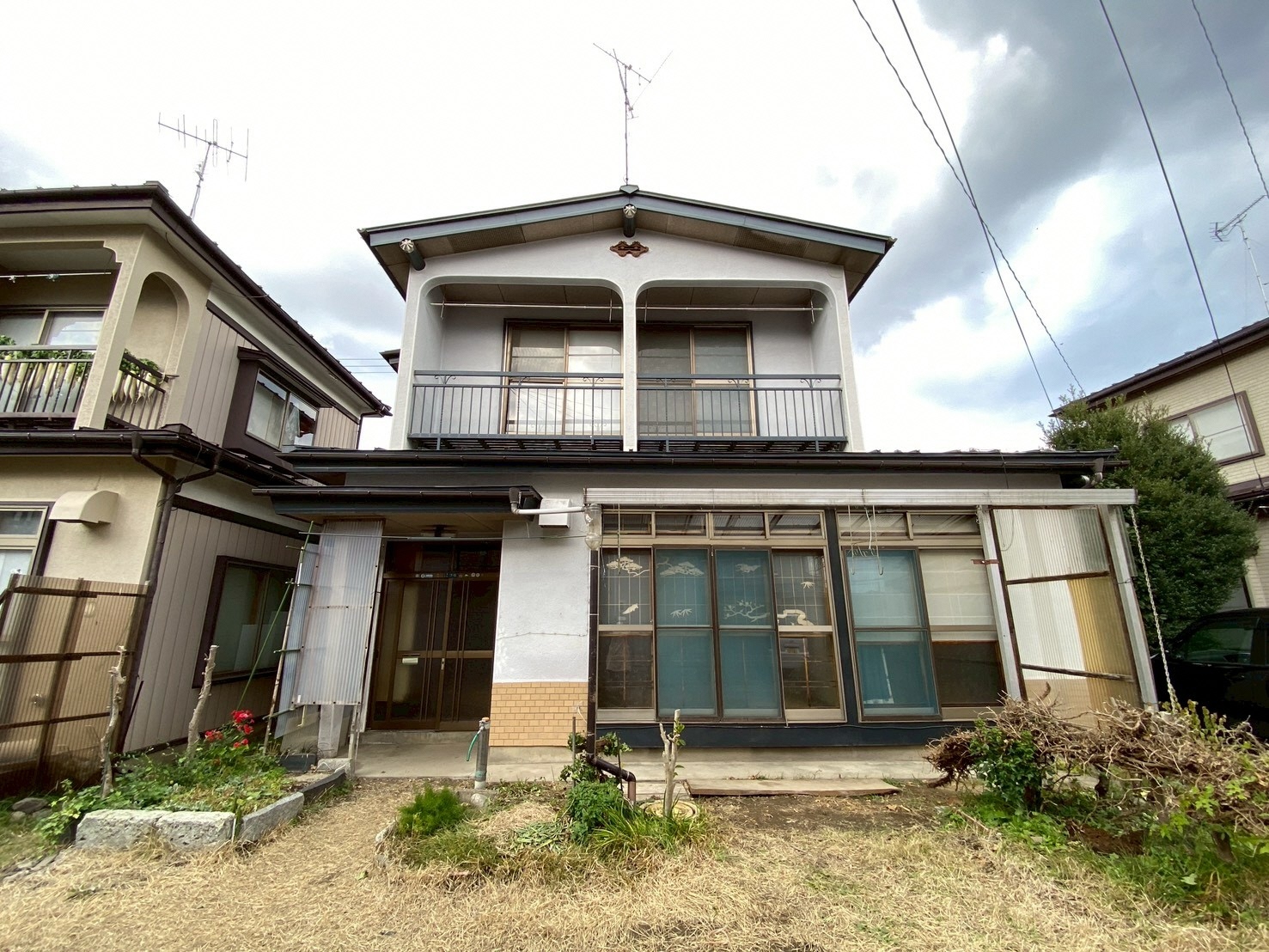
4DK Two-Story Wooden Home in Hachinohe Yoko 4-chome with 121 sqm Land
Yoko 4-chome, Hachinohe City, Aomori, Japan
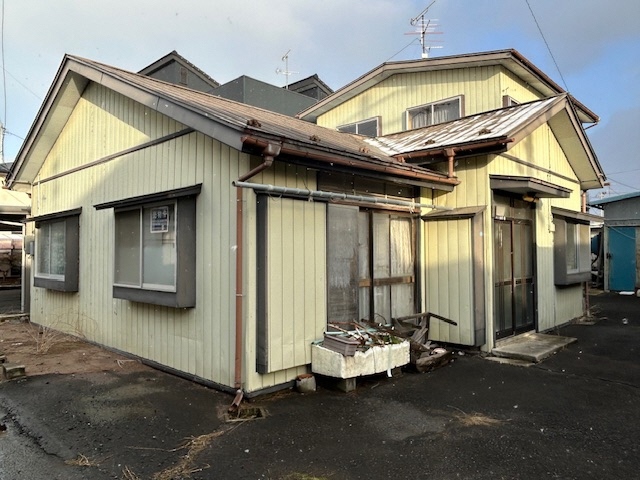
9DK Two-Story Wooden Home in Minato, Hachinohe with 217 sqm Land
Shiroganecho Hidariiwabuchiدوری, Hachinohe City, Aomori, Japan
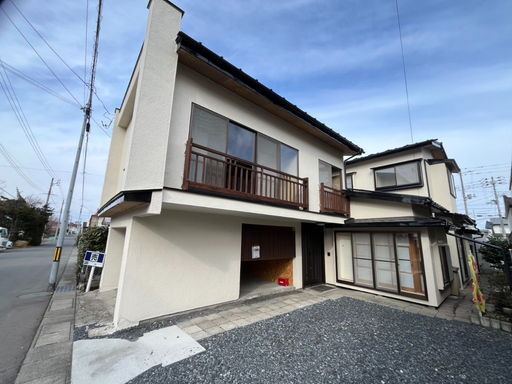
Move-In Ready Renovated Kominka with Garage in Neijo, Hachinohe — 5DK, 144 sqm
Neijo 6-chome, Hachinohe City, Aomori, Japan
Quiet Residential 5K Two-Story Home in Niida, Hachinohe with 165.8 sqm Land
Niida, Hachinohe City, Aomori, Japan