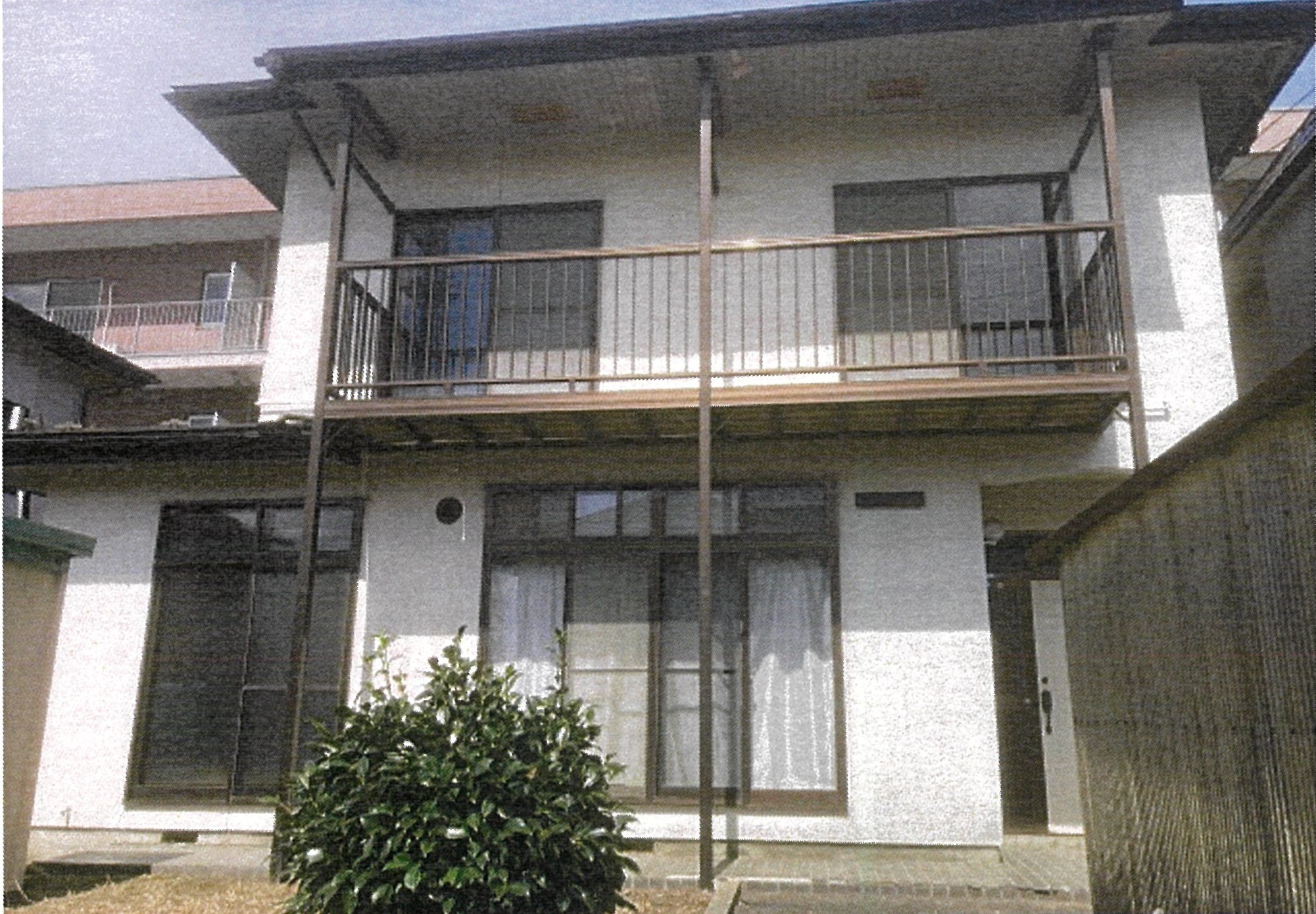
4DK Two-Story Wooden Home Near Drugstore & Convenience Store in Hachinohe
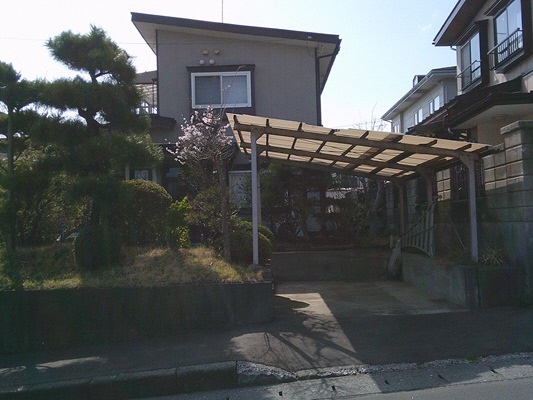
# A Family-Sized Foothold in Hachinohe: Could This Aomori Akiya Be Your Northern Japan Base?
Imagine waking up to crisp Tohoku air, walking your kids to school in under ten minutes, and still having enough pocket change left over from your property purchase to consider a serious renovation. For under $40,000 USD, that scenario isn't fantasy — it's the premise of a quietly compelling akiya listing in Hachinohe City, tucked into the Shimonaga district of Aomori Prefecture.
---
Hachinohe: Aomori's Overlooked Urban Edge
Most foreign buyers who venture into Aomori Prefecture are chasing the romantic isolation of Tsugaru or the highland scenery around Towada. Hachinohe tends to fly under the radar, and that's precisely what makes it interesting.
This is a real city — Japan's third-largest in Aomori — with a functioning port, a proud seafood culture (the Minato Fish Market is legendary), and transport links that include Shinkansen access to Tokyo in under three hours. The Shimonaga area where this property sits is a residential pocket rather than a tourist zone: quiet, walkable, and oriented around everyday life. A drugstore and convenience store within walking distance sounds unremarkable until you've spent time in Japan's more rural akiya hotspots, where the nearest vending machine is a 20-minute drive. Here, logistics are genuinely manageable.
---
Who Actually Fits This Property?
The 4DK layout across roughly 90 square meters across two wooden floors isn't a weekend retreat. It's a home — and the profile of its ideal buyer reflects that.
Young families are perhaps the most obvious match. Two schools sit less than a kilometre away, the floor plan is large enough for children to have separate rooms, and the land area offers outdoor space that's difficult to find at this price point in any Japanese city. For a couple considering relocation under Japan's regional revitalisation programmes, this has the bones of a proper long-term residence.
Remote workers seeking a northern base will also find the location compelling. Hachinohe has invested in its infrastructure more than many Tohoku cities its size, and the Shinkansen connection means Tokyo isn't off the table for quarterly meetings.
Yield-focused investors should note the estimated gross yield of 6.4% — respectable for a regional city. With walkable amenities and proximity to schools, the property has genuine rental appeal to local families, though investors should conduct their own occupancy research for the Shimonaga area specifically before banking on those numbers.
---
Renovation Realities: Eyes Wide Open
Built in 1977, this is a wooden-frame structure approaching its fiftieth year, and honesty demands acknowledging what that means in practice. Homes of this era in Japan were constructed before modern seismic standards took full effect — the landmark Building Standards Law revision happened in 1981 — which means a structural assessment isn't optional, it's essential. Roof integrity, foundation condition, and insulation adequacy in Aomori winters (snowfall here is serious) are all priority checks.
Perhaps most importantly: pre-1980s Japanese construction frequently incorporated asbestos-containing materials, particularly in roof tiles, floor adhesives, and certain wall composites. Testing and, if necessary, professional abatement is a non-negotiable cost to build into your budget. This isn't a dealbreaker — it's standard due diligence for any property of this vintage — but buyers who underestimate it risk a budget shock post-purchase.
The listing itself notes that actual on-site conditions take precedence over any photographs or floor plans, which is standard language but worth taking seriously. An in-person inspection, ideally with a licensed Japanese building inspector (*kenchiku sadan*), is strongly advised before committing.
Factor these costs in and the purchase price still leaves meaningful renovation headroom compared to urban Japanese real estate. But approach it as a project, not a turnkey purchase.
---
The Akiya Moment — And Why Hachinohe Matters Within It
Japan lists hundreds of thousands of vacant homes, but not all akiya are created equal. Properties in genuinely liveable cities — with schools, shops, and transport — are increasingly rare at this price point as awareness of the akiya market grows internationally. Hachinohe sits in a productive middle ground: rural enough to be affordable, urban enough to be practical.
This property, registered through Hachinohe City's official vacant-home programme, represents exactly the kind of listing that tends to move faster than buyers expect once the right person finds it.
Ready to take a closer look? Full specifications, floor plans, and listing details are available on [japancheaphouses.com](https://japancheaphouses.com). All inquiries are handled directly through the platform — your straightforward gateway into the Hachinohe akiya market.
Interested in this property?
See the full specs, photos, exact location on the map, and contact us about viewing or buying.
View Full Listing →More properties in Aomori
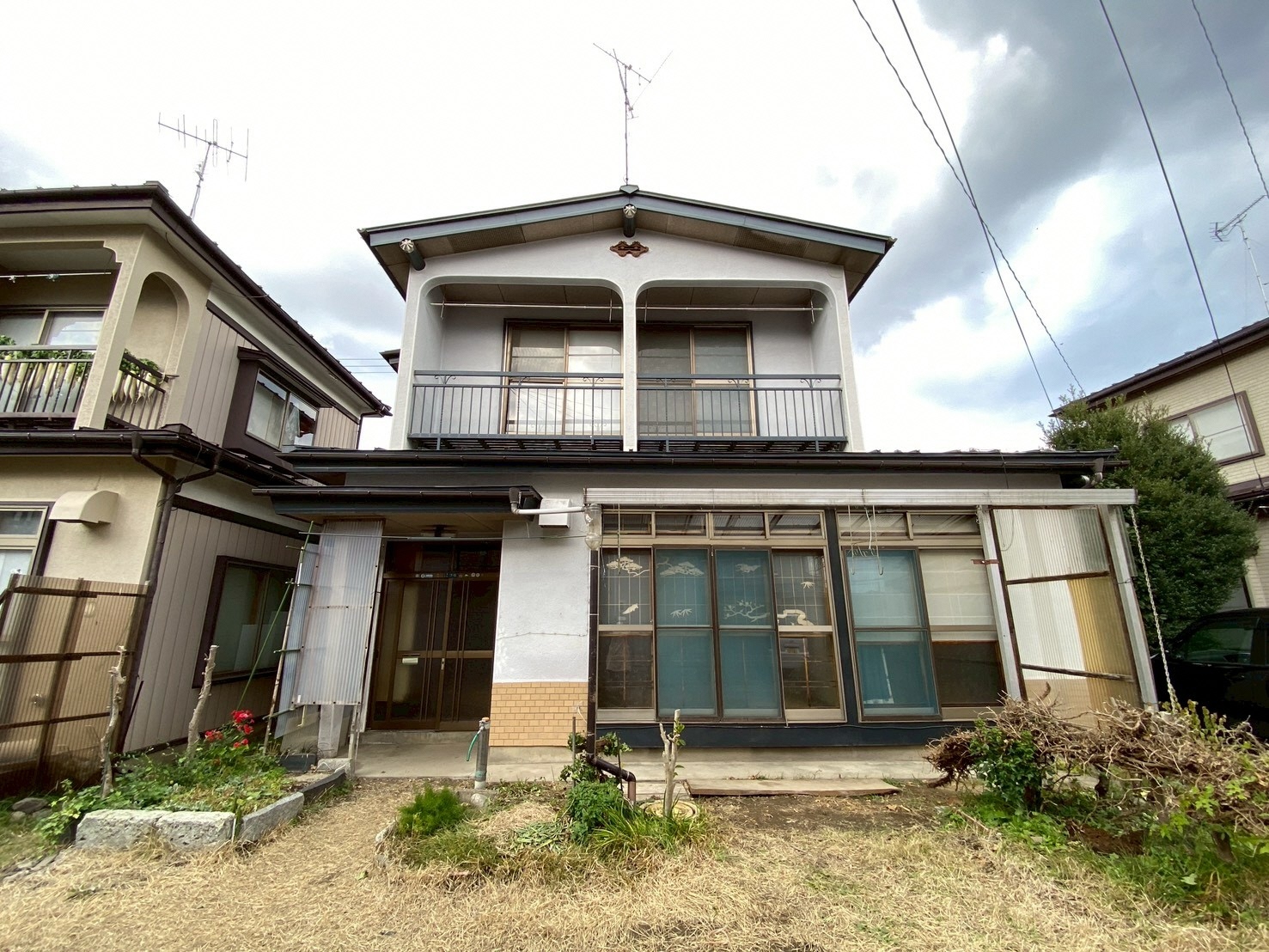
4DK Two-Story Wooden Home in Hachinohe Yoko 4-chome with 121 sqm Land
Yoko 4-chome, Hachinohe City, Aomori, Japan
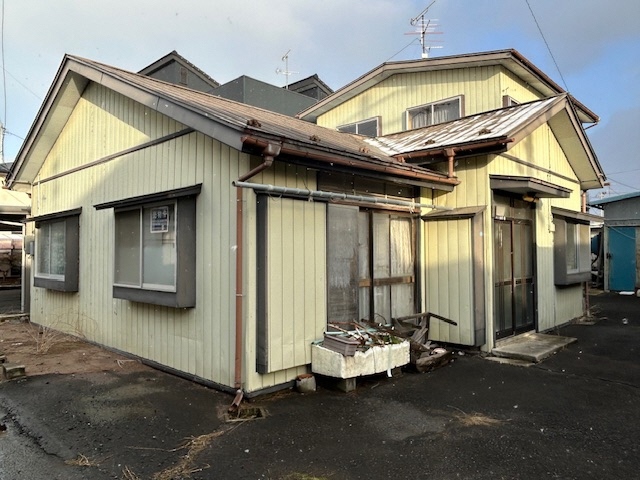
9DK Two-Story Wooden Home in Minato, Hachinohe with 217 sqm Land
Shiroganecho Hidariiwabuchiدوری, Hachinohe City, Aomori, Japan
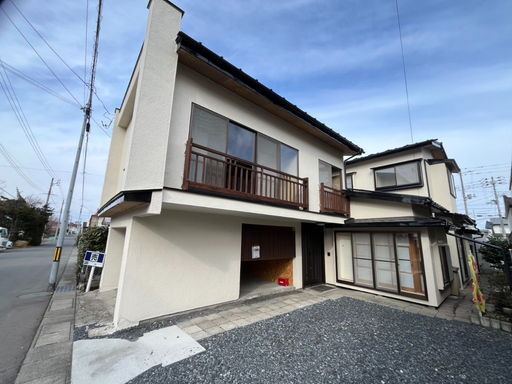
Move-In Ready Renovated Kominka with Garage in Neijo, Hachinohe — 5DK, 144 sqm
Neijo 6-chome, Hachinohe City, Aomori, Japan
Quiet Residential 5K Two-Story Home in Niida, Hachinohe with 165.8 sqm Land
Niida, Hachinohe City, Aomori, Japan