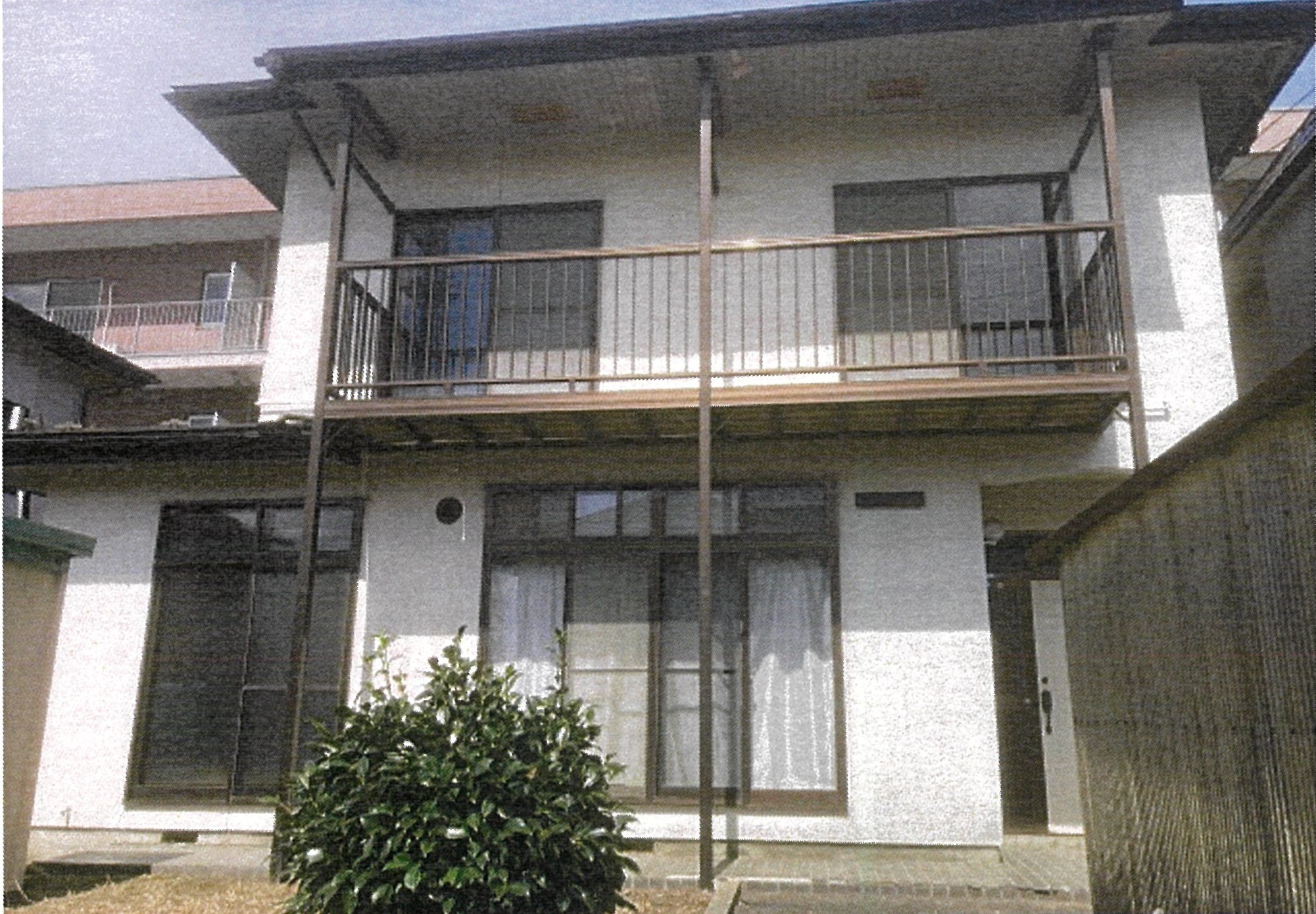
Hilltop 5DK Two-Story Home in Matsugaoka, Hachinohe with 231.6 sqm Land
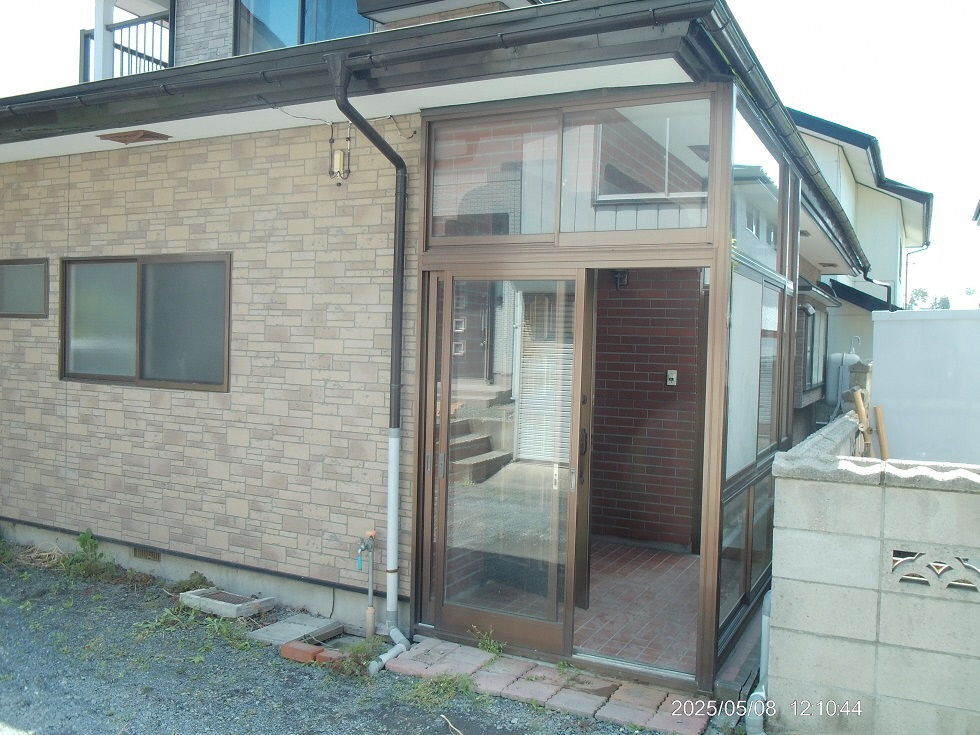
# A Hilltop Hachinohe Home for Under $37,000 — But Should You Buy It?
There's something quietly compelling about a five-room house perched on an elevated residential plot in northern Japan, priced at less than a decent used car in California. The Matsugaoka property in Hachinohe City is exactly that kind of listing — the sort that stops serious akiya hunters mid-scroll and prompts the question: *is this real?* It is. But like every opportunity worth examining, the honest answer lies in the details.
---
Hachinohe: The Northern City That Doesn't Get Enough Credit
Hachinohe sits at the southeastern tip of Aomori Prefecture, facing the Pacific and backed by the Ou Mountains. It's not a sleepy hamlet — it's a genuine mid-size city of around 220,000 people, with its own shinkansen station (the Tohoku Shinkansen terminates here), an active fishing port ranked among Japan's largest, and a regional economy anchored in manufacturing, food processing, and logistics. For foreign buyers who worry about rural Japan's infrastructure decay, Hachinohe is a meaningful step above many akiya markets.
The Matsugaoka district specifically sits in a quieter, residential hillside pocket of the city. Elevated plots here tend to offer a degree of privacy that flat urban neighbourhoods can't match — think neighbourhood parks, modest gradients, and the kind of lived-in streetscape that feels genuinely suburban rather than abandoned. Supermarkets, a post office, and everyday conveniences are close by. An elementary school sits roughly a kilometre away. This is not deep countryside; it's an ordinary Japanese neighbourhood that happens to have an ageing housing stock.
---
Who Actually Belongs in This Property?
A 5DK layout across two storeys and 110 square metres of floor space is generously proportioned by Japanese standards. Five dedicated rooms plus a dining-kitchen configuration suits a number of buyer types — a small family relocating to Tohoku, a remote worker who needs dedicated office space, or a renovation investor planning a mid-term rental. The projected gross yield of 7.5% will catch investor eyes, and given Hachinohe's rental demand driven by local industry and student populations, that figure isn't fantasy — though it assumes the property reaches a rentable condition, which currently requires assumption and investigation.
For the lifestyle buyer, Hachinohe offers winter access to Aomori's extraordinary snow country, proximity to Tanesashi Kaigan's dramatic coastline (a genuine hidden gem of the Sanriku coast), and the slower rhythms of Tohoku life without sacrificing urban convenience. ¥5.5 million all-in for a house of this scale in this location is, by almost any measure, a striking number.
---
Renovation Reality: What That 1982 Build Year Means
Here's where the conversation must shift from excitement to honesty. This home was constructed in 1982 — placing it before Japan's pivotal revised seismic building code of 1981, which dramatically tightened structural requirements in response to historical earthquake risk. That single fact should shape every conversation you have about this property from this point forward.
Pre-1981 (technically *kyū taishin*, or "old seismic standard") homes are not automatically dangerous, but they warrant independent structural inspection before any purchase commitment. Aomori Prefecture experiences seismic activity, and Tohoku's 2011 earthquake — while centred further south — was a generational reminder of what northern Honshu can endure. A qualified *kenchikushi* (licensed architect) or home inspector retained independently from the selling party is not optional here; it's essential.
Beyond seismic concerns, no specific disclosures have been made in this listing regarding asbestos, foundation integrity, water damage history, septic or sewage arrangements, road-access classification, or boundary documentation. A 43-year-old wooden structure in northern Japan — subject to heavy snowfall, freeze-thaw cycles, and humidity — may have accumulated issues that don't show in photographs. Budget conservatively: renovation costs for a property in this condition range from modest cosmetic refreshes to structural overhauls, and you genuinely cannot know which until someone qualified walks through the door.
---
The Broader Akiya Picture — And Why This Listing Stands Out
Japan's akiya crisis has produced millions of vacant homes, but quality varies enormously. What distinguishes this Matsugaoka listing is its urban-adjacent location, its meaningful land area, and its layout versatility — factors that tend to underpin long-term value better than more isolated rural finds. The ¥5.5 million price point reflects the age and unknown condition honestly; this is not a premium property dressed up as a bargain, but a genuine fixer with genuine upside for the right buyer.
If this property is on your shortlist, visit japancheaphouses.com to find the full listing details, submit an inquiry, and take the first step toward your own Japanese home.
Interested in this property?
See the full specs, photos, exact location on the map, and contact us about viewing or buying.
View Full Listing →More properties in Aomori
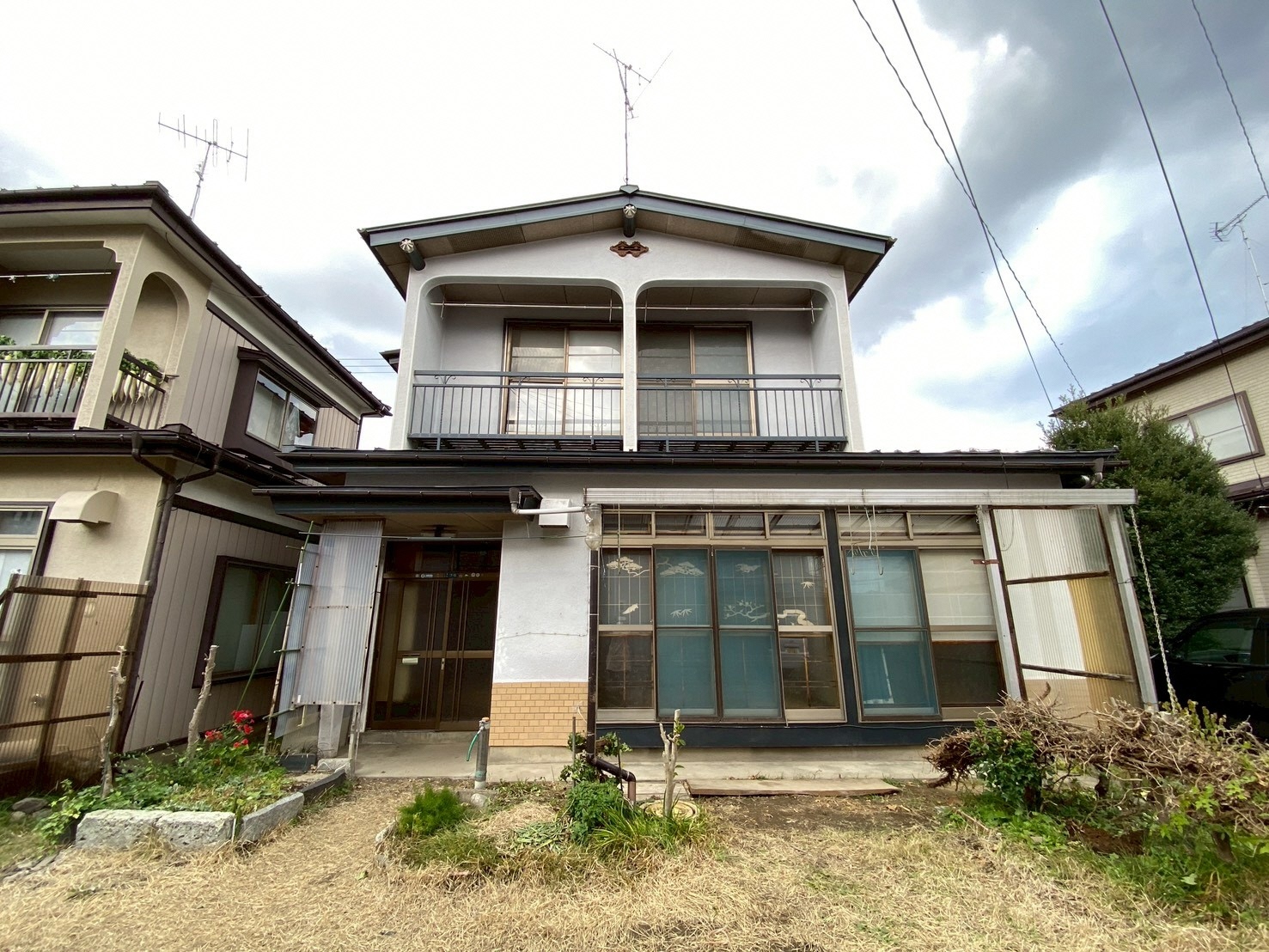
4DK Two-Story Wooden Home in Hachinohe Yoko 4-chome with 121 sqm Land
Yoko 4-chome, Hachinohe City, Aomori, Japan
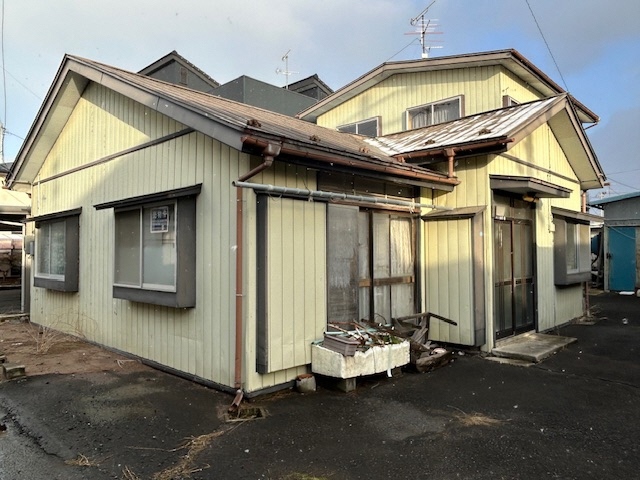
9DK Two-Story Wooden Home in Minato, Hachinohe with 217 sqm Land
Shiroganecho Hidariiwabuchiدوری, Hachinohe City, Aomori, Japan
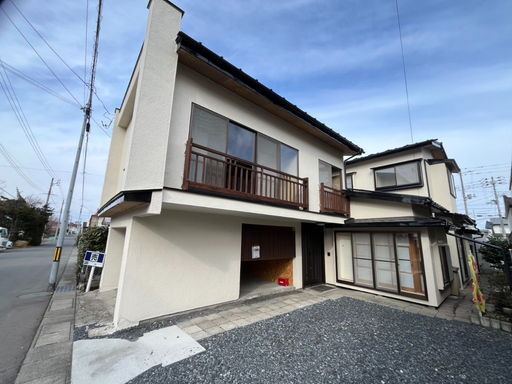
Move-In Ready Renovated Kominka with Garage in Neijo, Hachinohe — 5DK, 144 sqm
Neijo 6-chome, Hachinohe City, Aomori, Japan
Quiet Residential 5K Two-Story Home in Niida, Hachinohe with 165.8 sqm Land
Niida, Hachinohe City, Aomori, Japan