Compact 4DK Two-Story Wooden Home in Same-Hachinohe with 214 sqm Land
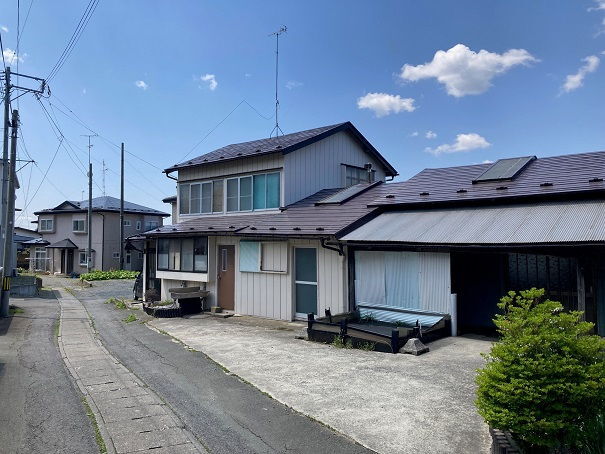
# A Coastal Corner of Tohoku for Under $14,000: Is This Hachinohe Akiya Worth Your Attention?
Imagine owning a two-storey home within walking distance of the Pacific coast in one of Aomori Prefecture's most underrated cities — for less than the price of a decent used car in North America. That's exactly the kind of quiet disruption the Japanese akiya market keeps delivering, and this compact wooden home in Hachinohe's Same district is a textbook example of the opportunity hiding in plain sight across rural Tohoku.
---
Same and Minamihama: Life on Hachinohe's Coastal Edge
Hachinohe is a mid-sized industrial port city in the southern corner of Aomori Prefecture, and it punches well above its weight in terms of infrastructure and livability. It has a Shinkansen stop, a functioning hospital network, a university, and a genuine local food culture built around its famous morning market and some of the finest seafood in Japan. This isn't a dying town — it's a city with a realistic future.
The Same and Minamihama neighbourhood sits in the coastal fringe of the city, closer to the ocean than the urban core, with the kind of low-rise residential texture that defines workday Japan away from the major metros. Schools are literally around the corner — junior high within 300 metres, elementary school within half a kilometre. That proximity speaks to a genuine residential neighbourhood, one with foot traffic, community life, and the kind of quiet infrastructure that makes long-term living actually comfortable.
Tohoku winters are not to be underestimated. Hachinohe's coastal position moderates snowfall somewhat compared to inland Aomori, but temperatures drop hard, and any renovation plan needs to treat insulation and heating as non-negotiable budget items — not optional extras.
---
Who Should Be Looking at This Property?
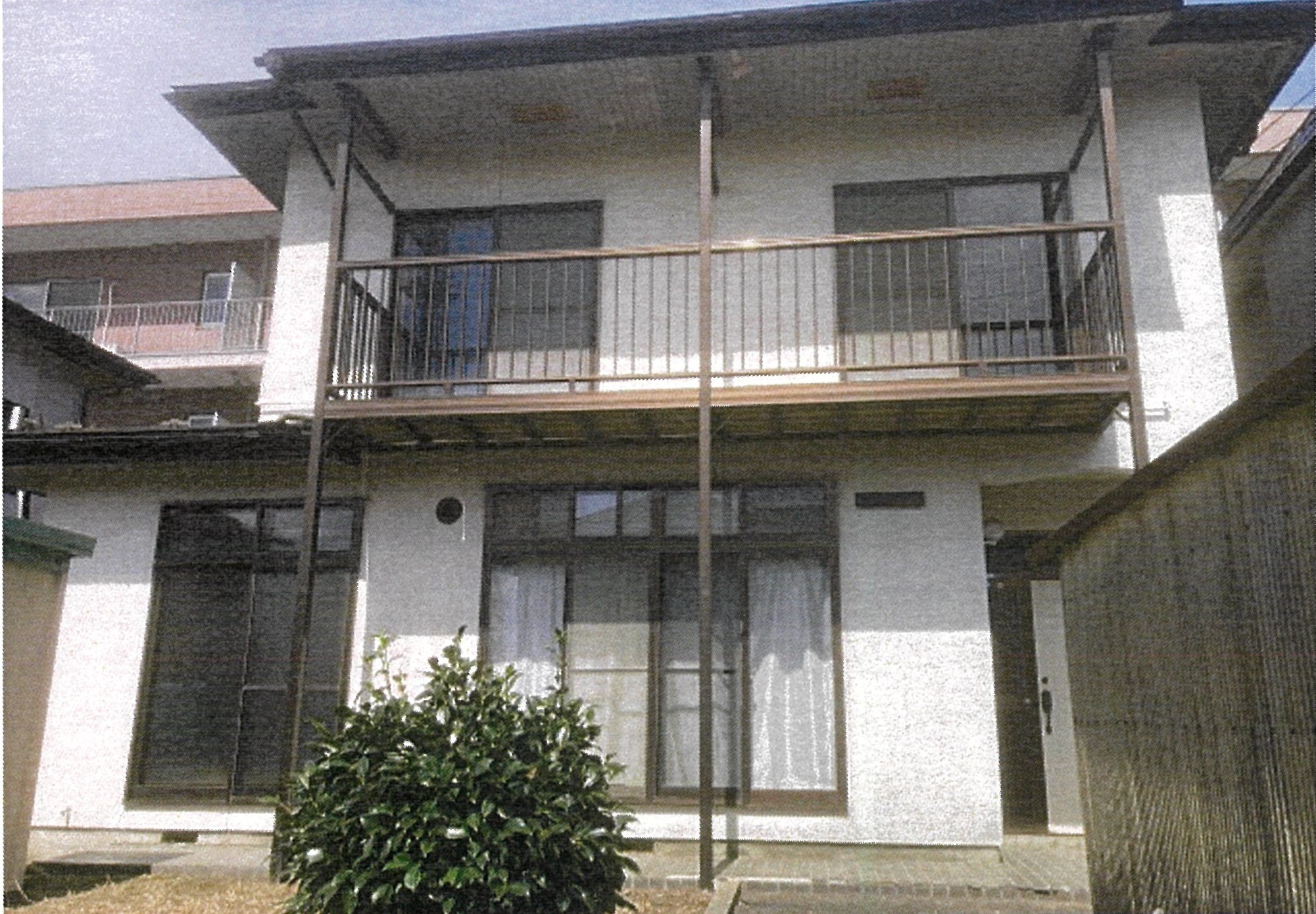
At roughly ¥2,000,000 — around $13,300 USD — the acquisition cost is almost shockingly low. But this property isn't just a curiosity for collectors of cheap real estate. The 4DK layout across nearly 70 sqm of floor space on a 214 sqm land plot is genuinely functional. A family could live here. A remote worker relocating from Tokyo could live here comfortably. The two existing parking spaces — with room to expand to four through basic landscaping — make it practical for anyone relying on a car, which in this part of Japan is essentially everyone.
The estimated 8% gross yield also makes this worth serious attention from investors considering the Japanese short-term rental market or long-term residential rental to local workers and students. Hachinohe's port and industrial base create steady demand for mid-range rental accommodation that doesn't require a premium address.
---
Renovation Reality: What the 1964 Build Date Actually Means
This is where honest conversation matters. The house is described as neat and tidy for its age, but "its age" is doing real work in that sentence — this structure is over 60 years old. That predates Japan's landmark 1981 revised Building Standards Act by nearly two decades, which means the property almost certainly does not meet modern seismic resistance requirements. That's not a dealbreaker, but it is a line item. Seismic retrofitting in Japan can range from modest to substantial depending on the foundation and structural condition.
A qualified *kenchikushi* (licensed architect) or home inspector should walk this property before any purchase decision. Roofing, plumbing, and the electrical system in a 1964 wooden home will each deserve scrutiny. There is also a realistic possibility of asbestos-containing materials in insulation or exterior cladding — common in Japanese construction of this era — which requires professional assessment and, if found, licensed remediation. Budget ¥2–5 million in renovation costs as a conservative baseline, and assume that number could rise depending on what inspections reveal.
---
The Broader Akiya Picture — and Why Hachinohe Matters
Japan's akiya crisis has made international headlines, but the quality of opportunities varies enormously by region. What makes this listing interesting is its urban-adjacent location. This isn't a remote mountain village with a two-hour commute to the nearest convenience store — it's a Shinkansen-connected city with real amenities, real community, and a property so modestly priced that even a substantial renovation budget still leaves buyers well under what comparable floor space would cost anywhere in Western Europe or North America.
The Hachinohe Akiya Bank programme exists specifically to match vacant homes with motivated buyers, and properties listed through it come with at least some municipal vetting and visibility.
---
If a Tohoku coastal lifestyle, genuine rental yield potential, or a low-cost entry into the Japanese property market sounds like your kind of move, this Same district home deserves a closer look. Browse the full listing details and connect with the team at japancheaphouses.com to take the next step.
Interested in this property?
See the full specs, photos, exact location on the map, and contact us about viewing or buying.
View Full Listing →More properties in Aomori
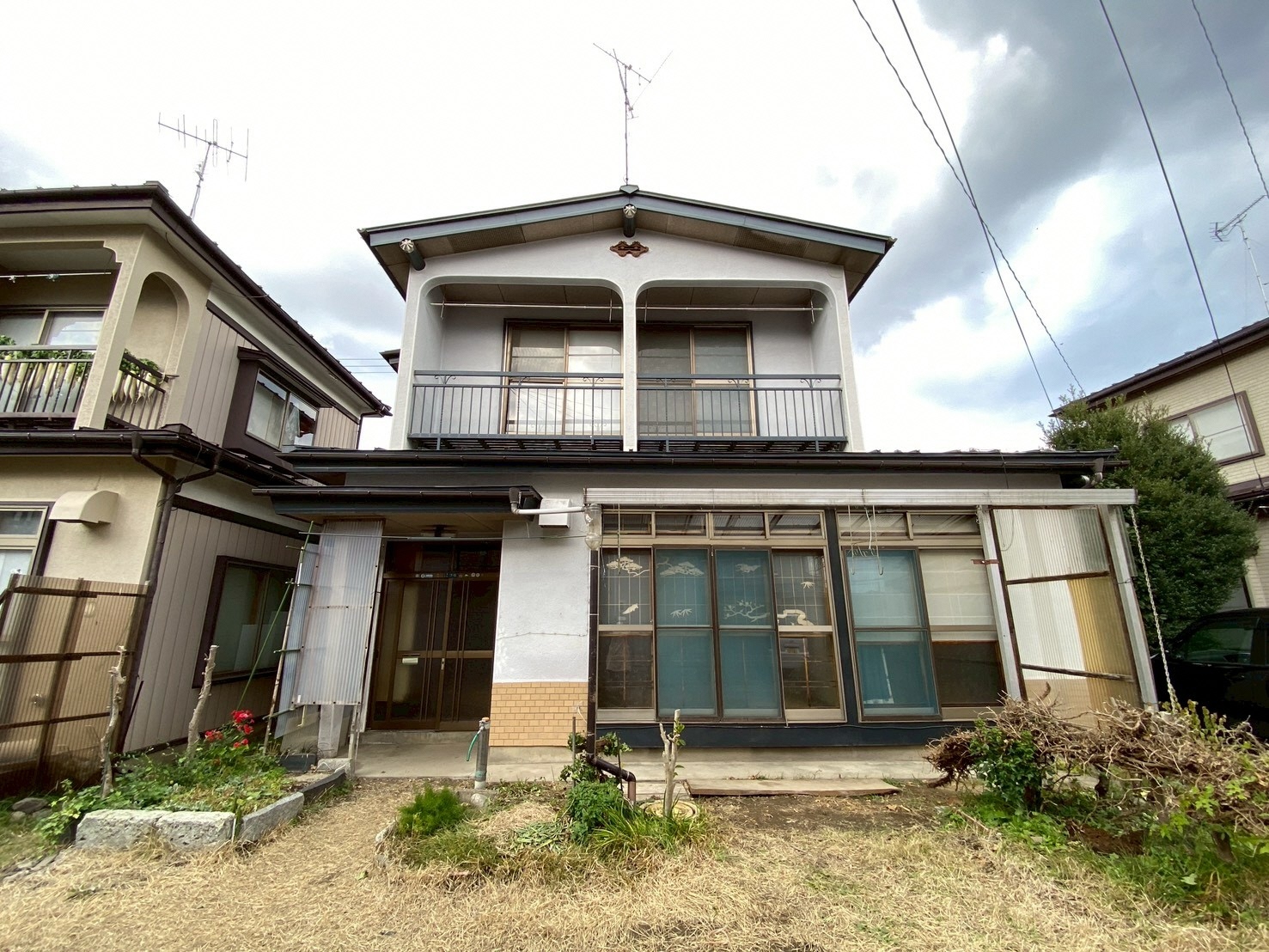
4DK Two-Story Wooden Home in Hachinohe Yoko 4-chome with 121 sqm Land
Yoko 4-chome, Hachinohe City, Aomori, Japan
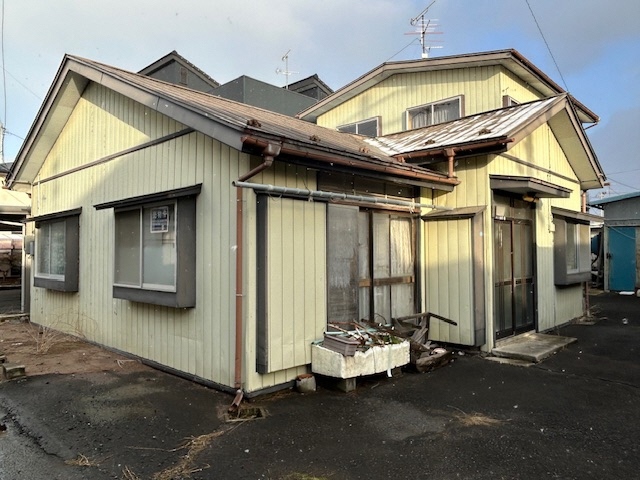
9DK Two-Story Wooden Home in Minato, Hachinohe with 217 sqm Land
Shiroganecho Hidariiwabuchiدوری, Hachinohe City, Aomori, Japan
Move-In Ready Renovated Kominka with Garage in Neijo, Hachinohe — 5DK, 144 sqm
Neijo 6-chome, Hachinohe City, Aomori, Japan
Quiet Residential 5K Two-Story Home in Niida, Hachinohe with 165.8 sqm Land
Niida, Hachinohe City, Aomori, Japan