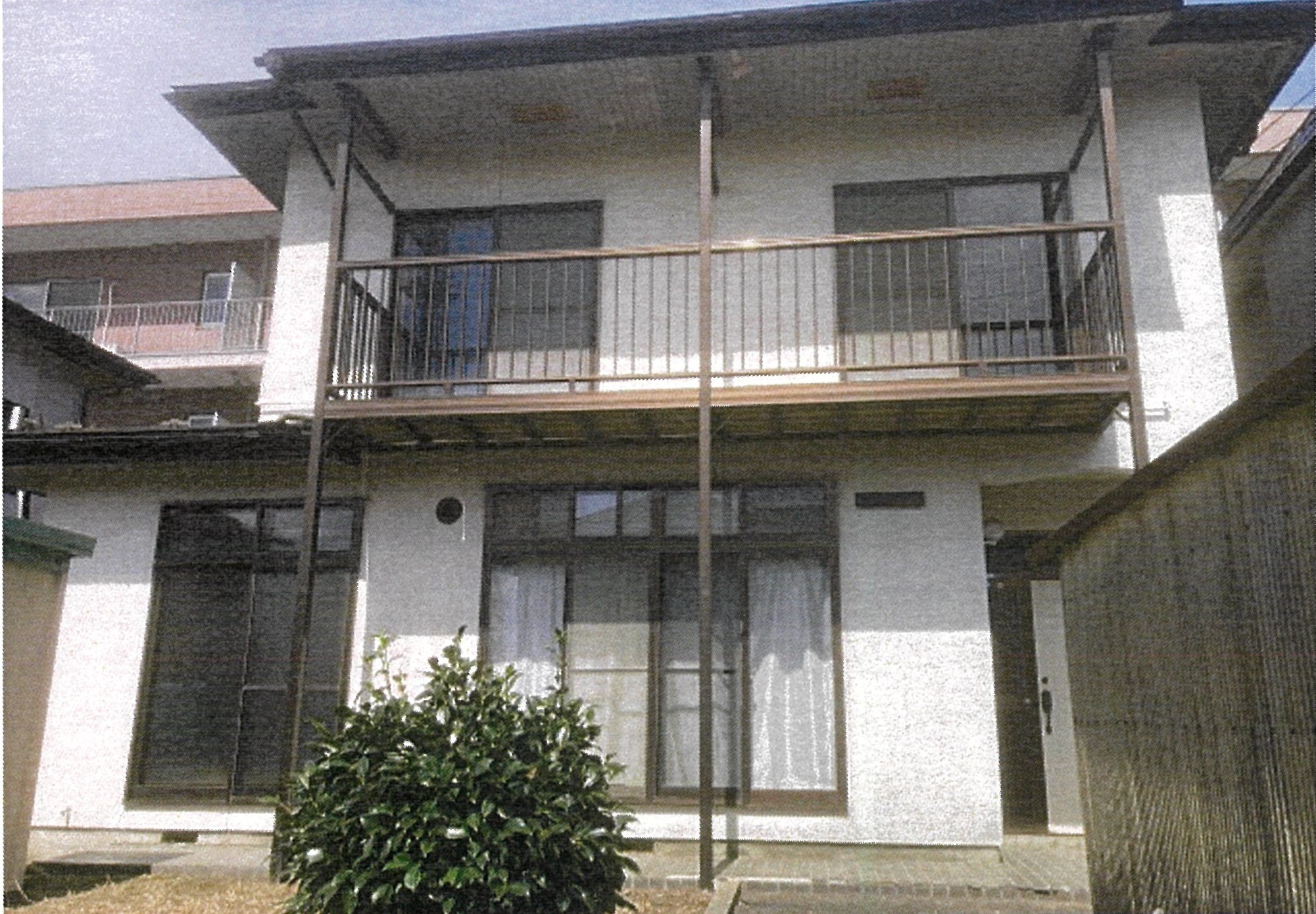
Elegant 9LDDKK Traditional Japanese Home with Garage in Hachinohe, 312 sqm Floor Area
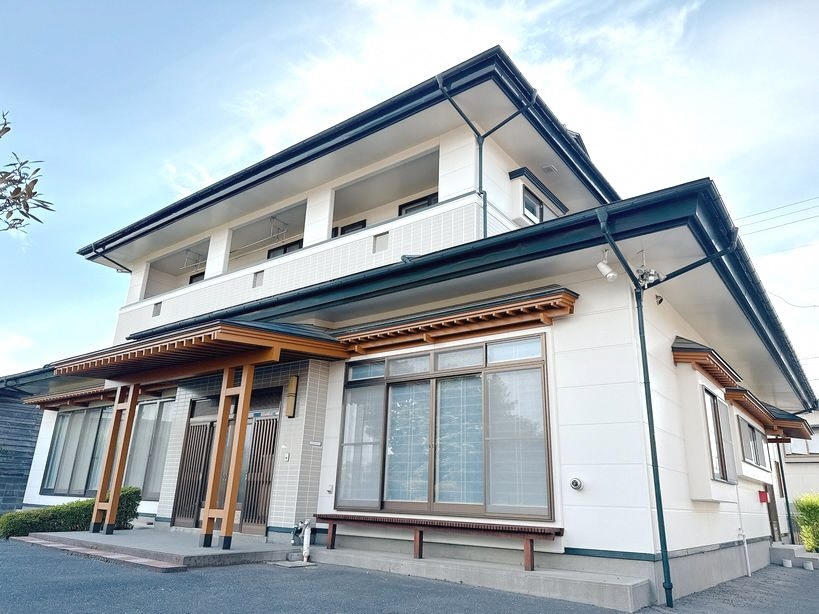
# A Rare Artisan-Built Home in Hachinohe: When "Akiya" Doesn't Mean What You Think
Most people searching for vacant Japanese homes picture crumbling farmhouses with sagging roofs and mystery staining on every wall. Then there are listings like this one — a 312-square-metre, nine-room traditional residence in Hachinohe that quietly dismantles every stereotype about the akiya market. At ¥47,000,000, this is not a bargain-bin fixer-upper. It's a serious home for a serious buyer, and understanding *why* could change how you think about rural Japanese real estate altogether.
---
Hachinohe: The Northern City That Works
Hachinohe sits in the southeastern corner of Aomori Prefecture, perched between the Pacific coast and the mountains of Iwate. It's the kind of city that doesn't make travel magazines but absolutely makes life workable. As one of Aomori's largest urban centres, it has genuine infrastructure — hospitals, universities, industry, and rail connections including the Tohoku Shinkansen line at Hachinohe Station, putting Tokyo within three hours.
The specific neighbourhood here, Uriichi 4-chome, reflects that balance of urban convenience and residential calm. The property sits on a quiet side street just off a main arterial road, meaning you get the best of both: easy access to the city's rhythms without the noise. A supermarket, drugstore, convenience store, and bus stop are all reachable on foot in under five minutes. Two public schools sit within a kilometre. For a family considering a genuine relocation to northern Japan — not a holiday retreat, but a *life* — this location has real substance.
---
What You're Actually Buying: Craftsmanship as an Asset
Built in 1995, this home occupies an interesting sweet spot in Japanese construction history. It predates the era of cost-cut prefab building that defines so much of the modern housing stock, yet it's recent enough to benefit from post-bubble structural standards. The original listing description calls out the craftsmanship explicitly — and it's worth dwelling on. Intricate glasswork on interior sliding doors, detailed ceiling joinery, substantial structural pillars: these are the fingerprints of a skilled *shokunin* builder, the kind of artisan whose work simply isn't commissioned anymore.
For a buyer who values authenticity over renovation potential, this is significant. The home is described as well-maintained with no visible signs of age, which means you may be walking into a property that needs cosmetic refreshing rather than structural intervention. The south-facing orientation and generous windows create natural brightness throughout — a feature that matters enormously during Aomori's winters, when sunlight becomes a genuine psychological asset.
The included garage is a practical bonus that shouldn't be underestimated. In a city where winters bring heavy snowfall and public transport has limits, covered parking isn't a luxury — it's a necessity.
---
Renovation Expectations and Honest Considerations
The listing includes a standard but important caveat: where any discrepancy exists between floor plans, photographs, or other materials and the actual current condition of the property, the current condition takes precedence. This is industry-standard language in Japanese real estate, but it's a reminder to conduct thorough in-person due diligence before proceeding.
A 1995 wooden structure in Aomori will have experienced nearly three decades of freeze-thaw cycles, humidity variation, and heavy snow loads. Even a "well-maintained" home at this age warrants a professional building inspection — particularly of the roof, foundation drainage, and any moisture-prone areas like bathrooms and crawl spaces. Budget conservatively for updates to plumbing, electrical systems, and insulation, even if the visible condition is excellent.
At ¥47,000,000, this property is priced at the premium end of the regional market. The estimated gross rental yield of approximately 5.5% suggests investment viability if you're considering partial or full rental use — but verify local rental demand carefully, as Hachinohe's market, while stable, is not Tokyo.
---
Who Should Be Looking at This Property?
This home suits a specific type of buyer: a family or couple planning a genuine move to northern Japan, someone drawn to traditional craftsmanship who wants a move-in-ready base rather than a project, or an investor seeking a large, well-located rental property in a functional regional city. It also has quiet appeal for remote workers who've accepted that quality of life and cost of living rarely coexist in major urban centres.
If any of that sounds like you, the full listing details — floor plans, photographs, and contact information to connect with the responsible municipal akiya channel — are available at japancheaphouses.com. Northern Japan rewards those who look closely. This property is worth a very close look.
Interested in this property?
See the full specs, photos, exact location on the map, and contact us about viewing or buying.
View Full Listing →More properties in Aomori
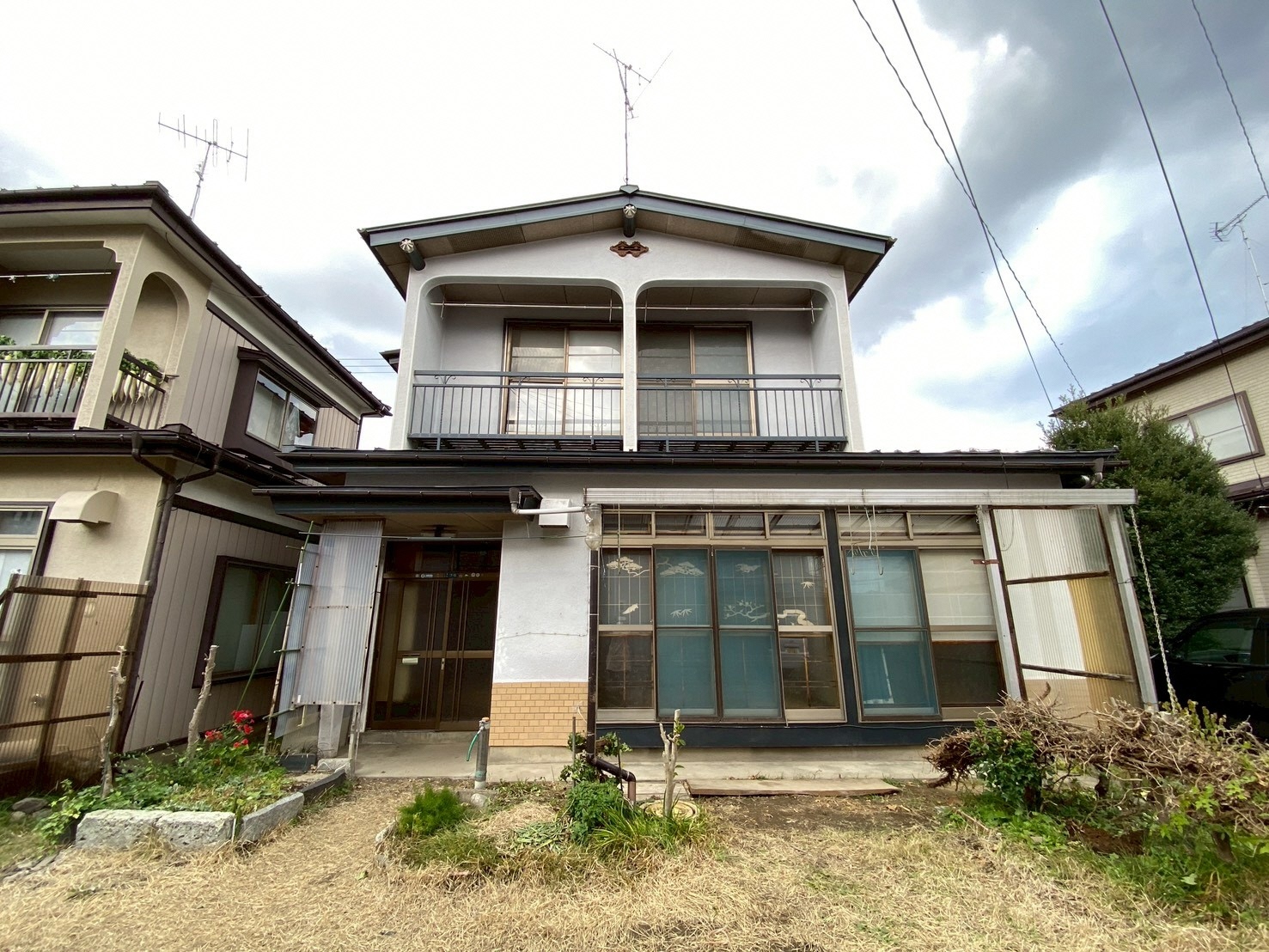
4DK Two-Story Wooden Home in Hachinohe Yoko 4-chome with 121 sqm Land
Yoko 4-chome, Hachinohe City, Aomori, Japan
9DK Two-Story Wooden Home in Minato, Hachinohe with 217 sqm Land
Shiroganecho Hidariiwabuchiدوری, Hachinohe City, Aomori, Japan
Move-In Ready Renovated Kominka with Garage in Neijo, Hachinohe — 5DK, 144 sqm
Neijo 6-chome, Hachinohe City, Aomori, Japan
Quiet Residential 5K Two-Story Home in Niida, Hachinohe with 165.8 sqm Land
Niida, Hachinohe City, Aomori, Japan