Hilltop 5DK Two-Story Home in Hachinohe's Shimonagasa Area with 232 sqm Land
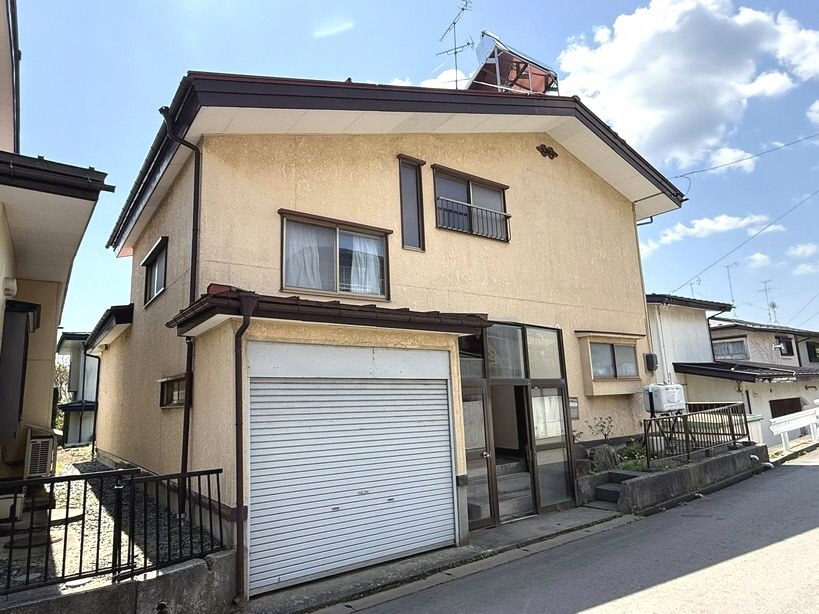
# Hilltop Character and Hidden Potential: A Pre-Seismic-Code Home in Hachinohe's Shimonagasa District
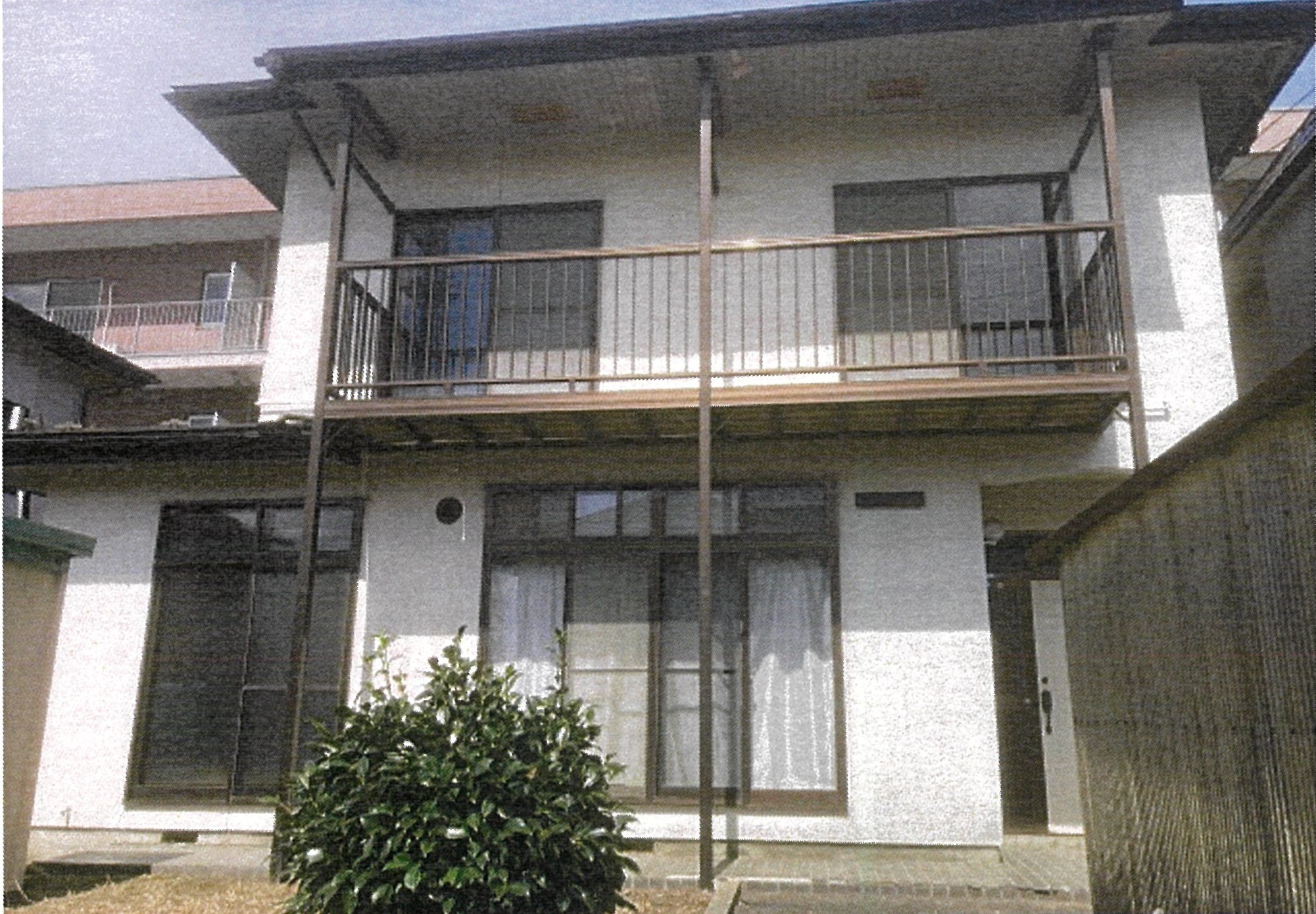
There's a particular kind of quiet confidence to a house that has stood on a hilltop for nearly half a century. It has weathered Aomori winters — and there are few winters in Japan more serious than those — watched the neighbourhood grow around it, and waited. This five-room, two-storey wooden home in Hachinohe's Shimonagasa area is exactly that kind of property: substantial, elevated, and priced at a level that makes the mathematically minded sit up straight.
At just over ¥5.6 million (roughly $37,000 USD), this is a home that commands attention — but it also demands honesty. Let's give it both.
---
Hachinohe: The Northern City That Punches Above Its Weight
Hachinohe is not a sleepy backwater. It is Aomori Prefecture's second-largest city, a working port with real industry, a genuine food culture anchored by its famous morning market, and rail connections that put Shin-Aomori — and from there, the shinkansen network — within reach. For international buyers who picture rural Japan as isolated and inconvenient, Hachinohe quietly dismantles that assumption.
The Shimonagasa district sits in the northern part of the city within a residential neighbourhood described as green and park-rich. This is the kind of established suburban fabric that Japanese families have trusted for generations: schools within walking distance, daily conveniences on the doorstep, footpaths maintained well enough that children navigate them independently. It is not trendy, but it is solid — and in property, solid often ages better than trendy.
The hilltop positioning adds something harder to quantify: a sense of place, of elevation above the ordinary, and likely some degree of visual separation from the density below.
---
Who Should Be Looking at This Property?
The 5DK layout — five rooms plus a dining-kitchen — translates to genuine versatility. This is not a tiny akiya cottage suited only to a solo minimalist. With 131 square metres of floor area across two storeys, there is room here for a family relocation, a multi-generational living arrangement, or a modest guesthouse or minpaku operation targeting the growing number of travellers moving through northern Tohoku.
The estimated gross rental yield of 7.5% will catch the eye of investors, and Hachinohe's status as an active city with real employment — rather than a depopulating hamlet — makes that figure more credible than similar numbers attached to truly remote properties. That said, gross yield is a starting point, not a finish line. Renovation costs, management fees, and vacancy rates all bite into that number, and they must be modelled honestly before any investment thesis is built.
The ideal buyer here is someone with a mid-range renovation budget, a tolerance for older Japanese construction, and either a plan to occupy the property personally or a realistic local property management strategy in place.
---
Renovation Realities: Eyes Open, Budget Ready
Built in 1978, this home predates Japan's landmark 1981 revision to earthquake-resistance standards — the *shin-taishin* code that fundamentally changed how wooden structures are engineered. This is the single most important fact in the listing, and it cannot be glossed over. A professional structural inspection is not optional here; it is the foundation of any sensible purchase decision.
Beyond seismics, the listing is notably silent on renovation history, repair records, water damage, foundation condition, and whether asbestos-containing materials are present. Given the construction era, asbestos in certain building materials is a genuine possibility rather than an abstract concern. Buyers should insist on a full seller disclosure report and strongly consider commissioning an independent building survey before contracts are exchanged.
None of this makes the property a poor choice — it makes it a property that requires due diligence proportional to its age. A thorough survey might reveal a structurally sound home needing cosmetic refresh. It might reveal more. The price point exists, in part, to account for that uncertainty.
---
The Broader Akiya Moment — And Why Location Still Matters
Japan's vacant-home registry system, of which this listing is a part, exists because the country has more empty houses than it knows what to do with. But not all akiya are created equal. A registered vacant home in an active mid-size city with schools, transport, and daily services is a fundamentally different proposition from a rural property hours from the nearest train station.
Shimonagasa sits comfortably in the former category. That distinction matters enormously for resale, rental, and long-term livability.
If this property has piqued your interest, the listing page on japancheaphouses.com carries the full specifications, floor plans, and inquiry details. Do your homework, budget for the unexpected, and consider what nearly half a century of Aomori winters has left standing on that hill — because something clearly has.
Interested in this property?
See the full specs, photos, exact location on the map, and contact us about viewing or buying.
View Full Listing →More properties in Aomori
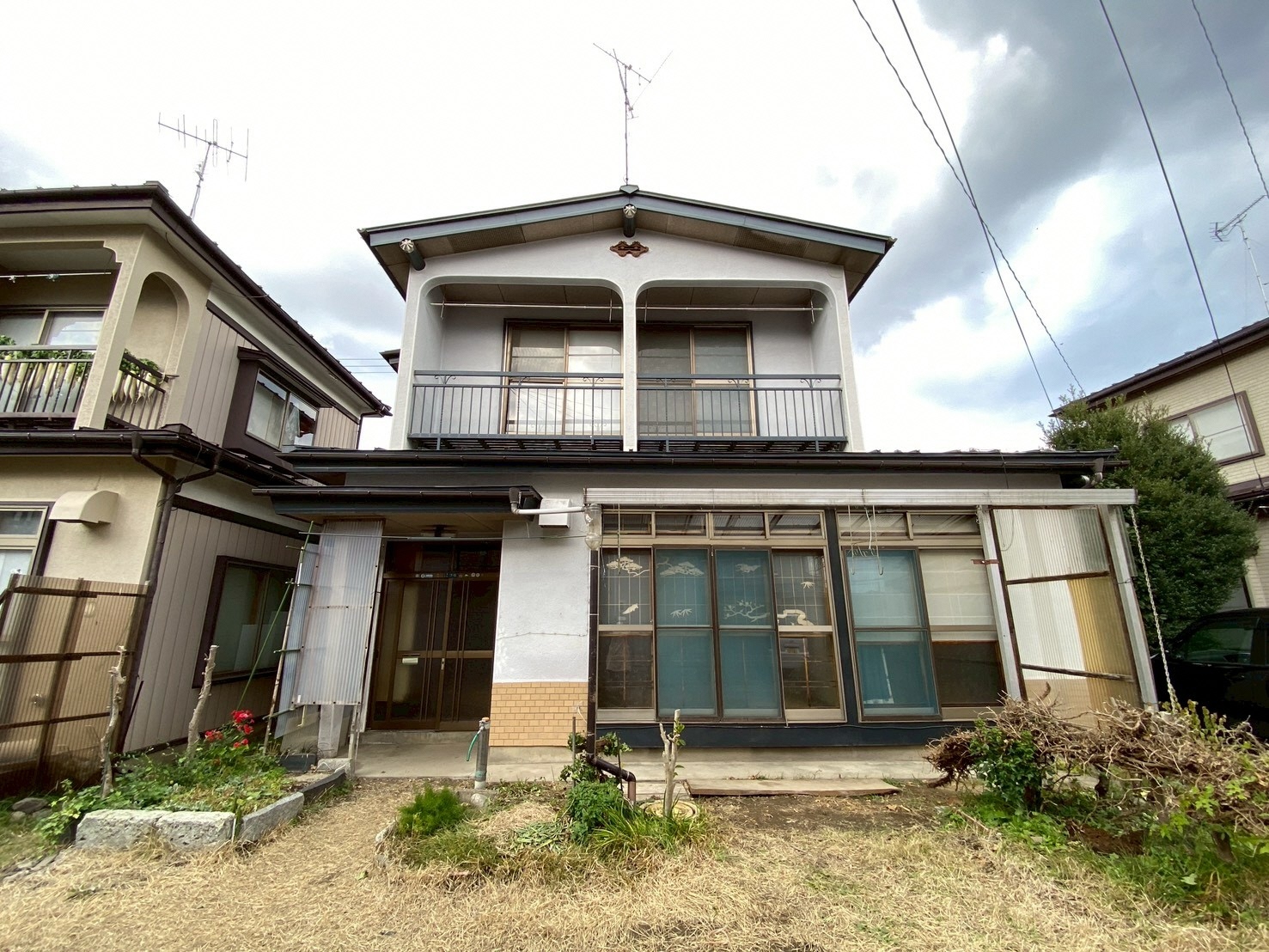
4DK Two-Story Wooden Home in Hachinohe Yoko 4-chome with 121 sqm Land
Yoko 4-chome, Hachinohe City, Aomori, Japan
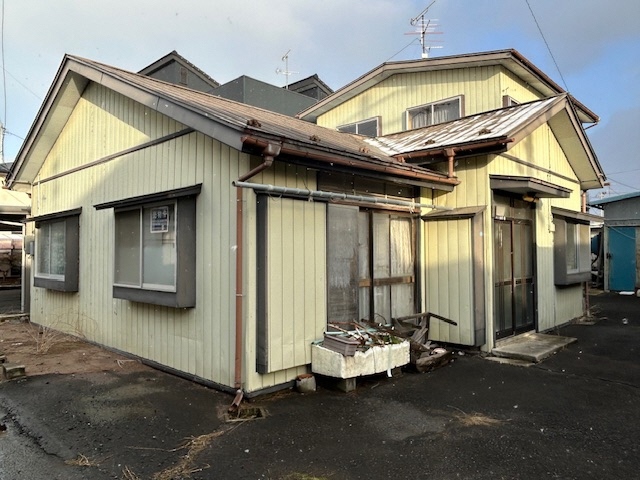
9DK Two-Story Wooden Home in Minato, Hachinohe with 217 sqm Land
Shiroganecho Hidariiwabuchiدوری, Hachinohe City, Aomori, Japan
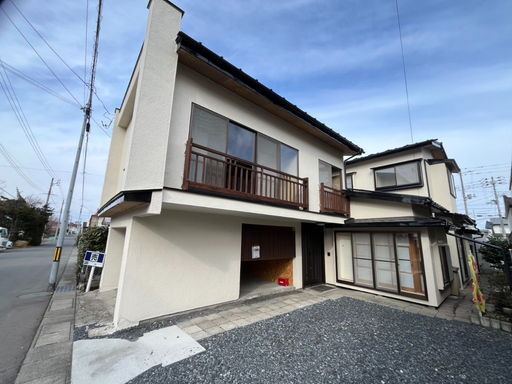
Move-In Ready Renovated Kominka with Garage in Neijo, Hachinohe — 5DK, 144 sqm
Neijo 6-chome, Hachinohe City, Aomori, Japan
Quiet Residential 5K Two-Story Home in Niida, Hachinohe with 165.8 sqm Land
Niida, Hachinohe City, Aomori, Japan