Triple-Corner 5DK Two-Story Home with 508 sqm Land in Nukazuka, Hachinohe
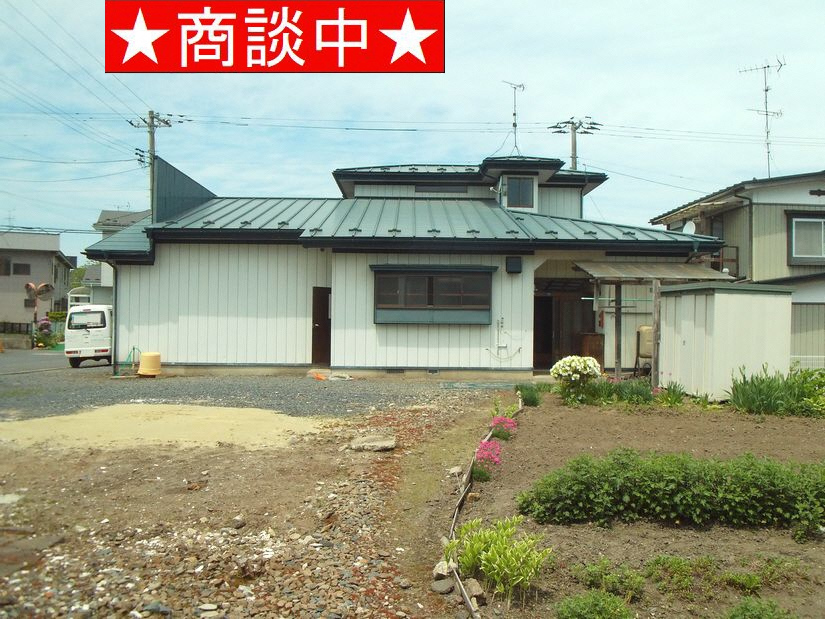
# A Craftsman's Legacy on a Triple-Corner Lot: Why This Hachinohe Home Deserves a Second Look
There's a particular kind of quiet pride built into homes constructed by someone who truly knows wood. In Nukazuka, a residential pocket of Hachinohe City in Aomori Prefecture, one such home has come to market — and for the right buyer, it represents something increasingly rare in Japan's akiya landscape: genuine bones, generous land, and a location that actually works for daily life.
---
Hachinohe: The Overlooked Northern City With Surprising Pull
Hachinohe often gets overshadowed by Aomori City or Hirosaki in conversations about Tohoku living, but longtime residents know better. This is a working port city with real infrastructure — a Shinkansen stop, a functioning commercial core, and a population large enough to sustain local services without the isolation that plagues many rural akiya towns.
Nukazuka, the specific neighbourhood where this property sits, is the kind of place that doesn't announce itself loudly. It's calm, residential, and genuinely liveable — the sort of street where children still walk to school on foot. And speaking of school: an elementary school sits less than a kilometre away, a junior high within comfortable cycling distance. That's not a footnote — for families relocating from abroad, proximity to schools often determines whether a move actually sticks.
Aomori as a whole draws buyers who want four distinct seasons with teeth. Winters here are serious — heavy snowfall is part of life, not an occasional inconvenience — but the summers are cool, the autumn colours dramatic, and the local seafood culture is world-class. Hachinohe's Minato market is legendary for a reason.
---
What Makes This Specific Plot Exceptional
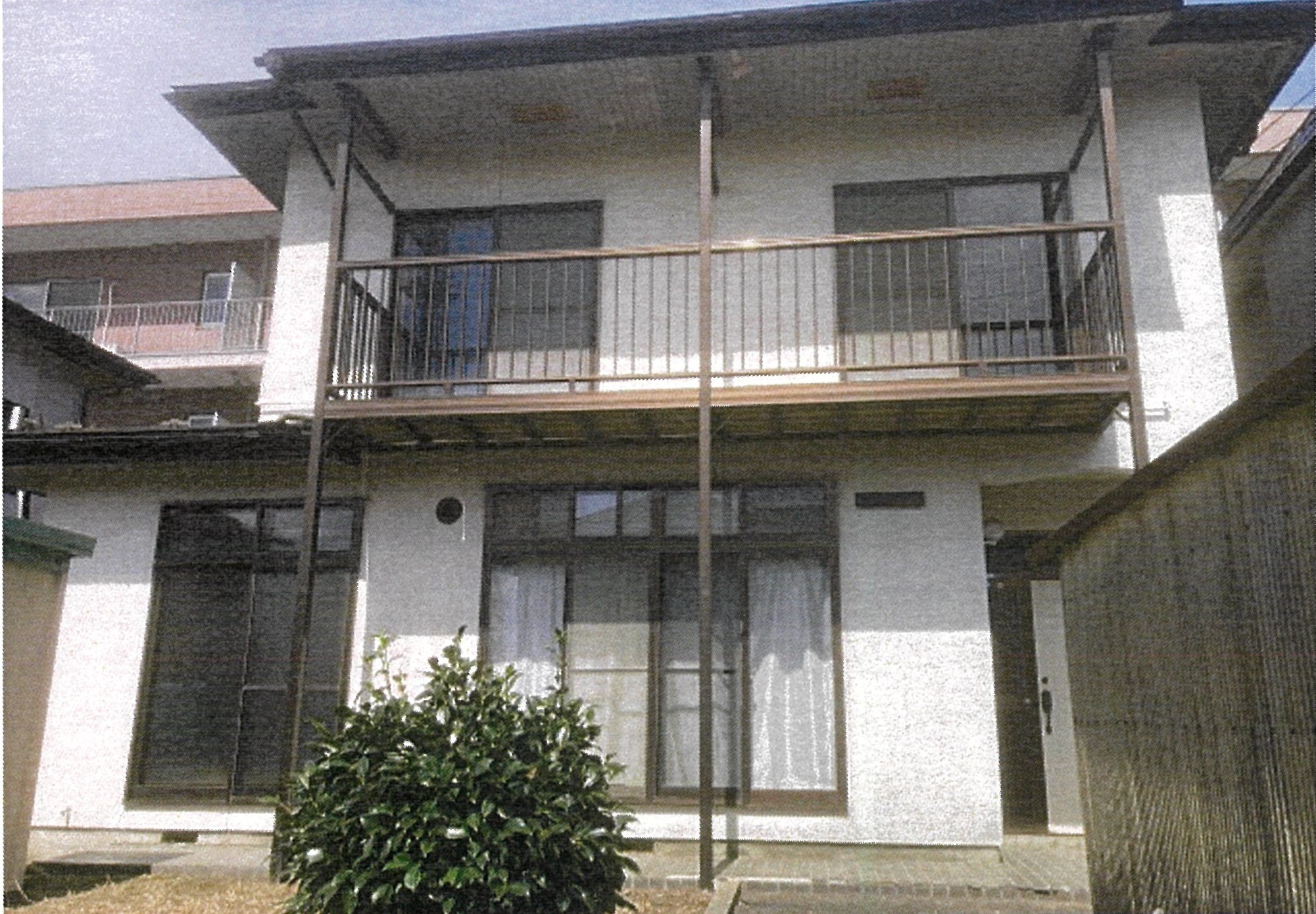
Triple-corner lots are genuinely uncommon in Japanese residential areas. Most homes here sit on narrow-frontage plots hemmed in on multiple sides. This property faces three directions, which translates into more natural light, more flexibility for future use, and — critically — the possibility of subdividing or building an additional structure on the same land for a separate household or income-generating unit.
The home itself was built by a relative of the seller who worked as a carpenter, and that provenance matters. Homes built by skilled tradespeople for their own family tend to be constructed with a level of care that speculative builds rarely match. The 1986 construction date puts it squarely in the post-bubble era of solid craftsmanship, and by all accounts the structure retains a well-built presence. The floor plan is spacious — five rooms across two storeys — and the abundance of windows keeps the interior unusually bright for a home of this era.
The existing layout also includes a section historically used as a shop-front, which opens interesting doors: a home office, a small business, an artist's studio, a workshop. The ample on-site parking is a practical bonus that urban buyers often underestimate until they're living somewhere cars are simply necessary.
---
Renovation Reality: Honest Expectations for Buyers
The listing describes the interior as "comparatively clean" with "minor renovation" needed — and while that framing is encouraging, prospective buyers should approach any 1986 wooden structure in Tohoku with clear eyes. Snow load, humidity cycling, and four decades of use all leave their marks, even on well-built homes. The listing itself includes a standard but important disclosure: actual current condition takes precedence over any photographs, drawings, or video shown. That clause exists for a reason, and a thorough on-site inspection — ideally with a bilingual building inspector — is non-negotiable before committing.
The likely renovation priorities will be familiar to anyone who has bought older Japanese property: kitchen and bathroom modernisation, insulation upgrades for Aomori winters, and a careful assessment of any electrical or plumbing systems approaching the end of their service life. None of this is unusual, and at this price point there remains meaningful budget headroom to address it without breaking the overall investment case.
---
Who Should Be Looking at This Property
This home suits a specific type of buyer rather than everyone — and that specificity is a feature, not a limitation. Families relocating to Japan who need space and school proximity will find the fundamentals genuinely strong here. Remote workers who want room to breathe — and perhaps a dedicated studio or workshop — will appreciate the flexible layout and oversized lot. Investors eyeing the estimated 7% gross yield should note that Hachinohe's rental market is modest but stable, underpinned by university students, port workers, and public sector employees.
If you've been browsing akiya listings and finding yourself repeatedly drawn to places that feel too remote, too small, or too far gone, this Nukazuka home may be worth a closer look. Full listing details, photographs, and inquiry access are available through japancheaphouses.com — the place to start any serious conversation about making this property yours.
Interested in this property?
See the full specs, photos, exact location on the map, and contact us about viewing or buying.
View Full Listing →More properties in Aomori
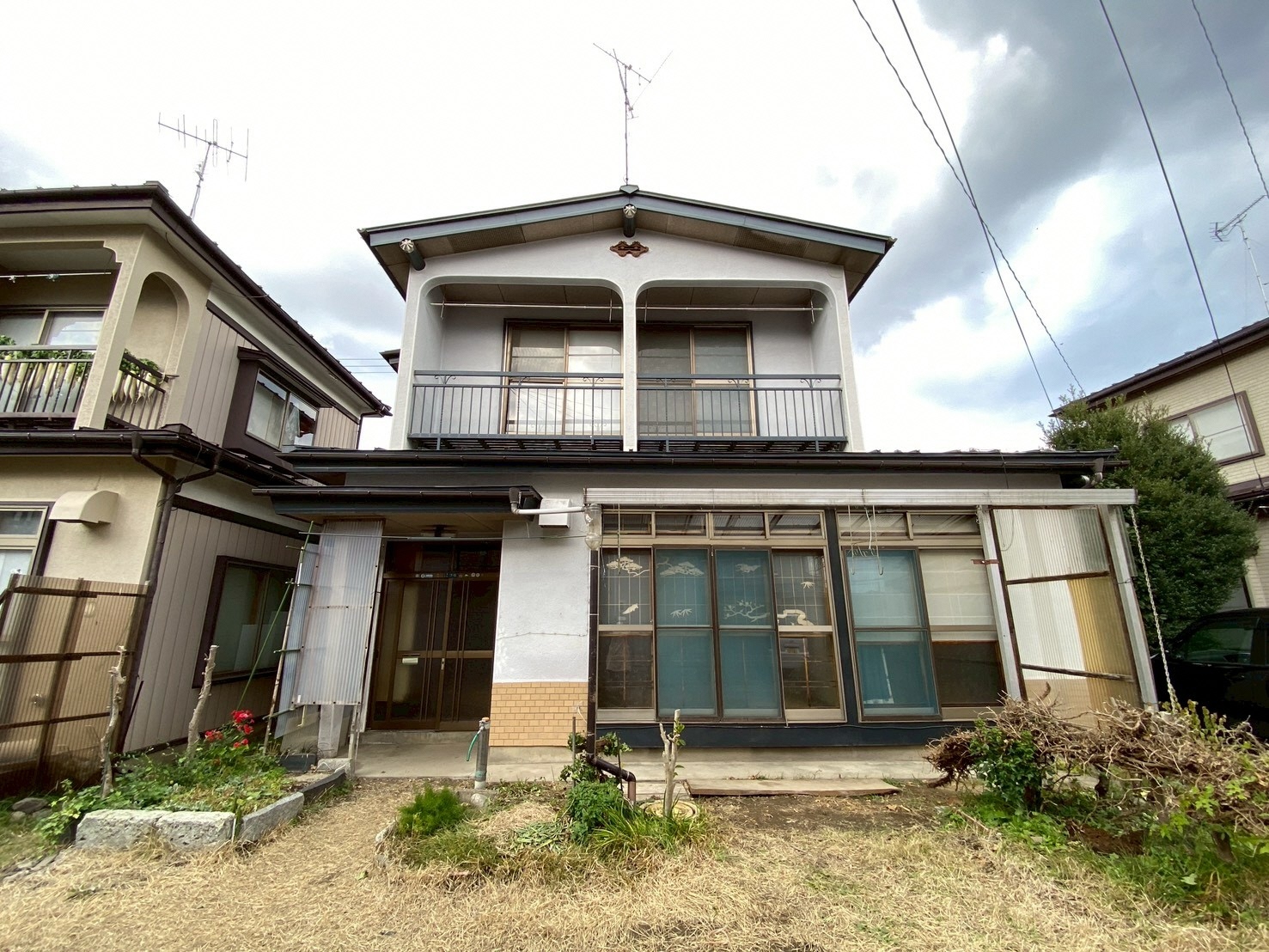
4DK Two-Story Wooden Home in Hachinohe Yoko 4-chome with 121 sqm Land
Yoko 4-chome, Hachinohe City, Aomori, Japan
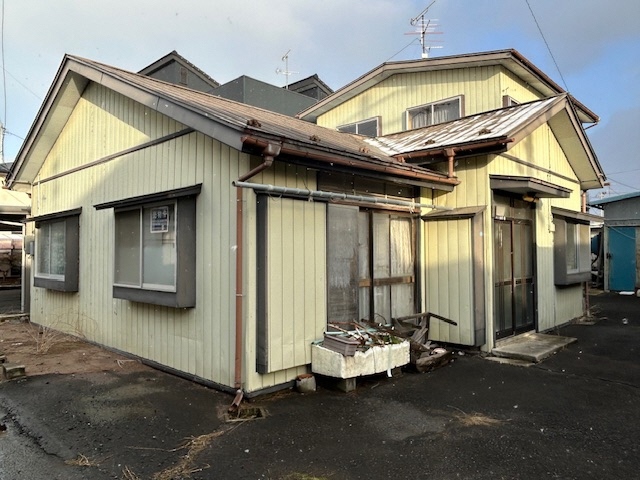
9DK Two-Story Wooden Home in Minato, Hachinohe with 217 sqm Land
Shiroganecho Hidariiwabuchiدوری, Hachinohe City, Aomori, Japan
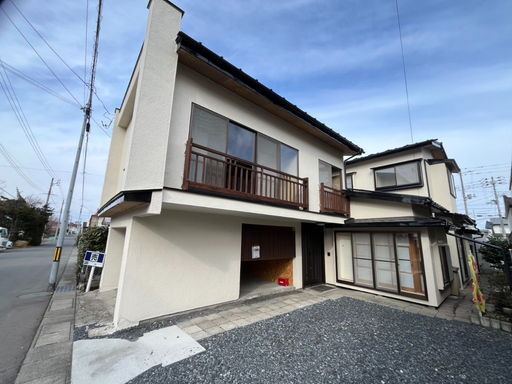
Move-In Ready Renovated Kominka with Garage in Neijo, Hachinohe — 5DK, 144 sqm
Neijo 6-chome, Hachinohe City, Aomori, Japan
Quiet Residential 5K Two-Story Home in Niida, Hachinohe with 165.8 sqm Land
Niida, Hachinohe City, Aomori, Japan