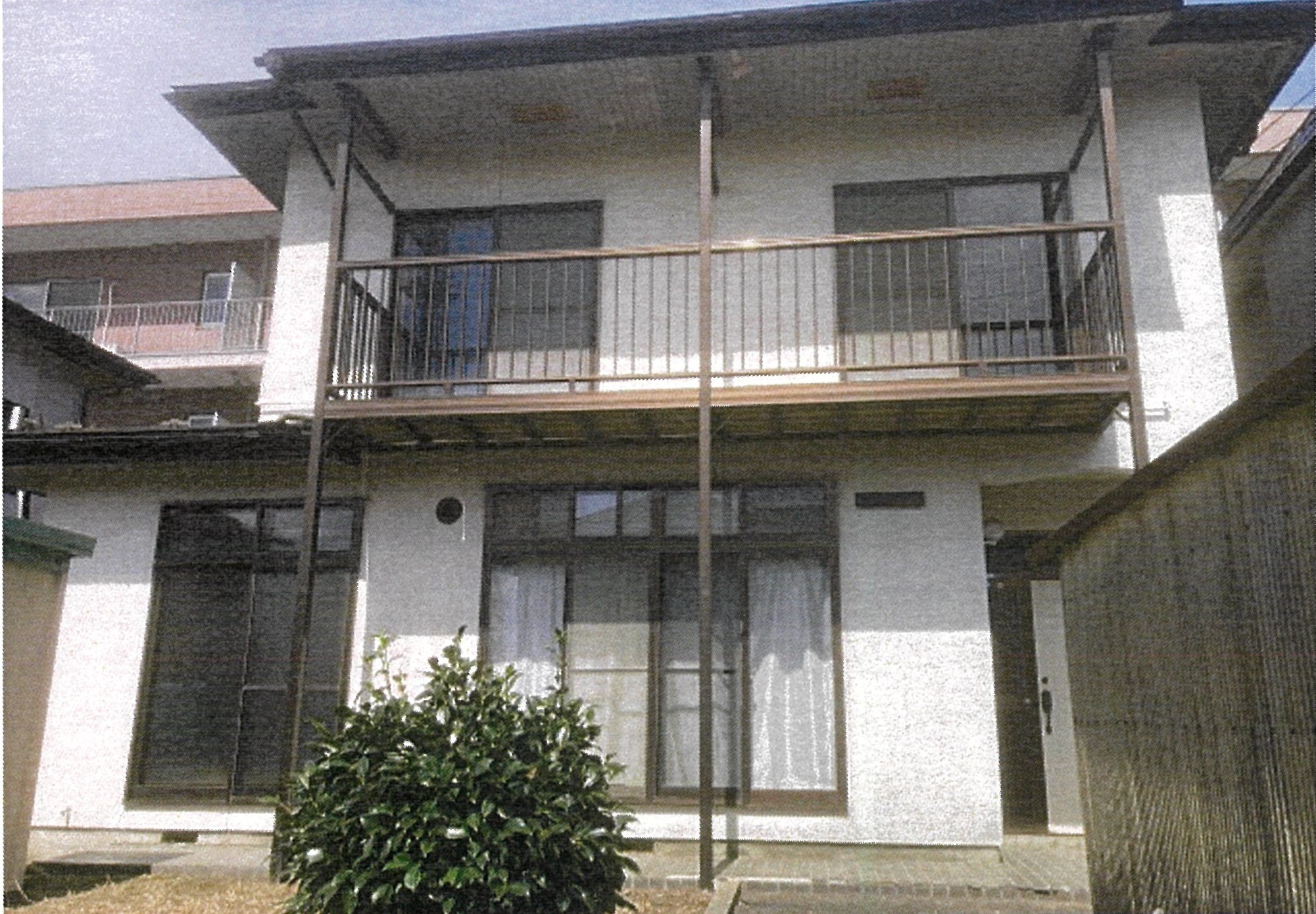
6LDK Two-Story Wooden Home Near Hachinohe City Center in Fukiage
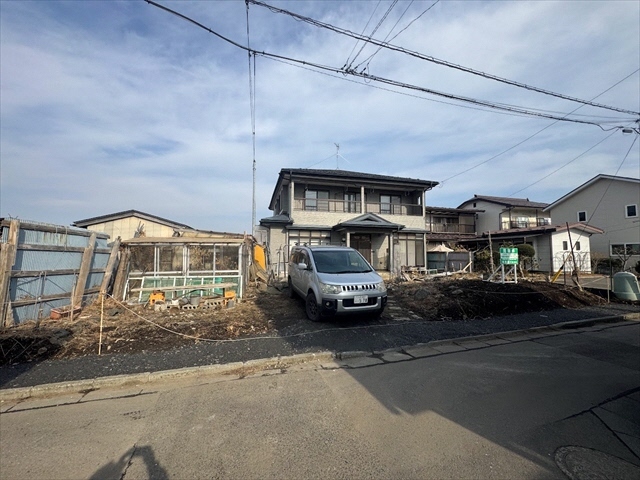
# A Spacious Family Home Near the Heart of Hachinohe — Is This Aomori's Best-Value Akiya?
Imagine waking up in a six-bedroom home in one of Tohoku's most liveable cities, with a generous garden, two full storeys, and a city centre just minutes away — all for a price that wouldn't buy a studio apartment in Tokyo. That's the quiet promise sitting behind this listing in Fukiage, Hachinohe, and for the right buyer, it might just be one of the most compelling akiya opportunities in northern Japan right now.
---
Hachinohe: The Tohoku City That Quietly Gets Everything Right
Hachinohe often flies under the radar compared to Sendai or Aomori City, but residents who actually live here tend to stay. As Aomori Prefecture's second-largest city, it punches well above its weight: a working deep-sea fishing port, a shinkansen connection to Tokyo (roughly three hours on the Tohoku Shinkansen), a genuine local economy, and a cultural scene anchored by the famous Hachinohe Sansha Taisai festival — a UNESCO-designated celebration that draws visitors from across Japan every summer.
Fukiage, where this property sits, is a quiet residential neighbourhood that benefits from proximity to the city's central district without the noise or density of urban living. Families are well-served here — an elementary school is walkable, a junior high school is just over a kilometre away, and daily errands, transit links, and commercial amenities are all within easy reach. This isn't a remote mountain akiya requiring a 40-minute drive for groceries. It's a suburban family home in a functioning, connected city.
---
Who Is This Property For?
At over 213 square metres across six rooms on a 469-square-metre plot, this is a genuinely large home — and that scale shapes who should be looking at it seriously.
Relocating families from overseas or from Japan's major cities will find the layout practical and the school proximity reassuring. Hachinohe's cost of living is significantly lower than urban centres, and remote work has made this kind of lifestyle increasingly viable.
Small guesthouse or minpaku operators should take note of the estimated 5.5% gross yield. A property of this size, in a city with growing inbound tourism and a solid domestic visitor base, has real potential as a short-term rental or guesthouse — particularly given Hachinohe's festival calendar and proximity to the Sanriku coastline.
Investors seeking a long-term rental asset in a city with stable infrastructure and genuine demand will find the economics more grounded here than in many rural akiya markets. This is not a gamble on a depopulating village — it's a bet on a mid-sized city with a functioning economy.
---
Renovation Realities: Built in 2000, But Inspect First
Here's where clear-eyed thinking matters. The home was built in 2000, which means it was constructed after Japan's strengthened 1981 seismic codes and is likely compliant with modern earthquake resistance standards — a meaningful distinction in a country where older wooden structures can carry significant structural risk.
That said, a 25-year-old wooden home in Aomori has endured decades of heavy snowfall, freezing winters, and the general wear that comes with northern Japan's climate. The listing explicitly notes that no structural assessment, repair history, or defect disclosure was provided. That's not a red flag in itself — it's common in akiya listings — but it is a firm instruction to commission an independent building inspection before any money changes hands.
Budget mentally for roof checks, insulation upgrades (Aomori winters are serious), potential repointing or waterproofing work, and the possibility of interior updates if the property has been vacant for any length of time. A thorough inspection by a qualified *kenchiku soshi* (building surveyor) is non-negotiable here.
---
The Broader Akiya Picture — And Why Hachinohe Is Different
Japan's akiya phenomenon is real, widespread, and accelerating — but not all vacant homes are equal. Many of the most publicised ultra-cheap akiya sit in communities with dwindling services, ageing populations, and uncertain futures. This property is a different proposition: it entered the Hachinohe City Akiya Registry, meaning the local municipality is actively facilitating its resale as part of a managed effort to keep residential stock occupied in a city that still has infrastructure, schools, and economic activity.
That municipal backing matters. It signals that the city wants this home lived in, and in some cases, akiya registry properties come with access to local support programmes — worth exploring once you've identified this as a serious candidate.
---
If this sounds like the kind of opportunity worth exploring further, head to japancheaphouses.com to view the full listing details, floor plans, and photographs — and reach out through the site to ask about arranging an inspection visit. Properties at this price point, in this location, don't linger.
Interested in this property?
See the full specs, photos, exact location on the map, and contact us about viewing or buying.
View Full Listing →More properties in Aomori
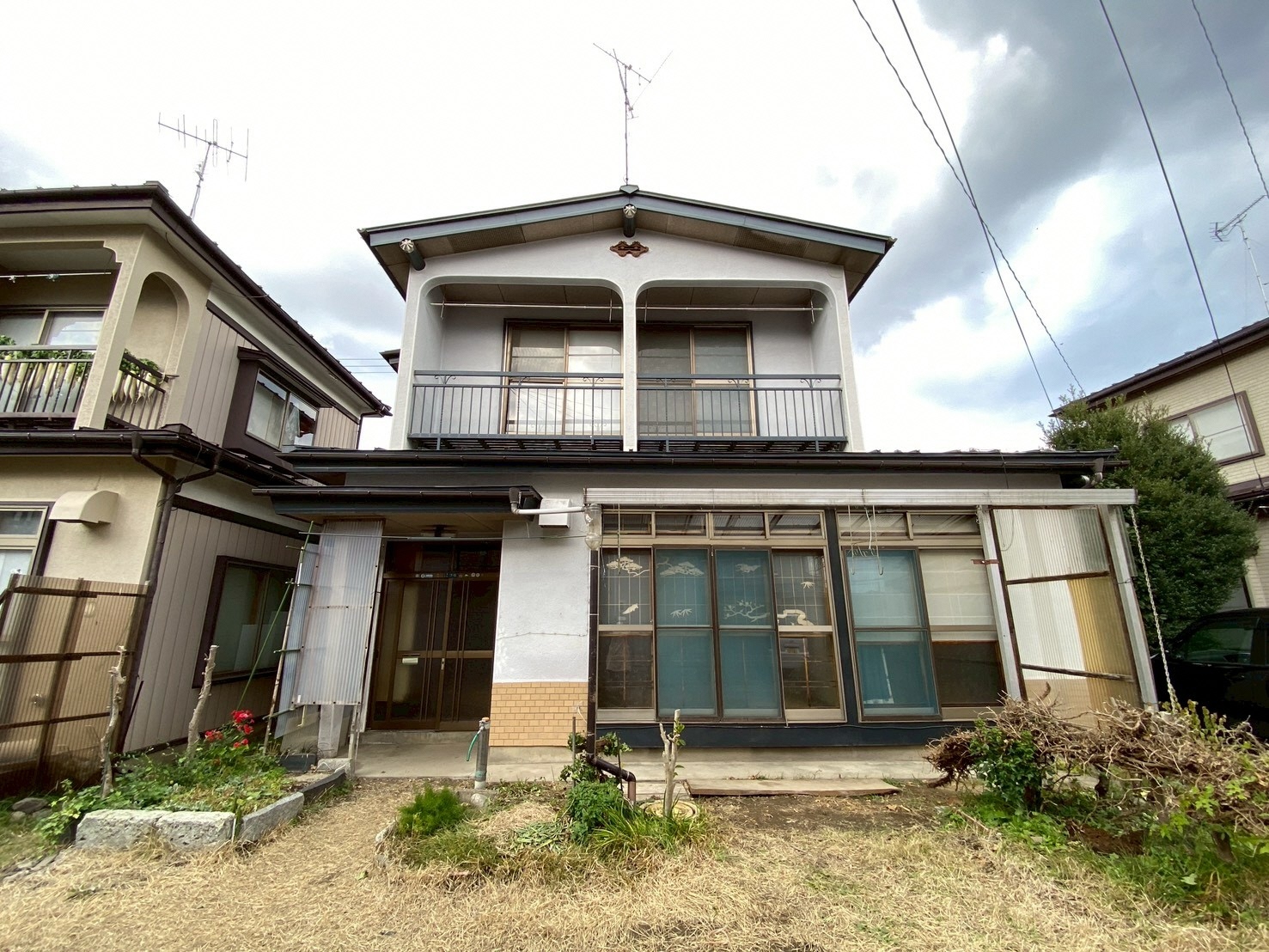
4DK Two-Story Wooden Home in Hachinohe Yoko 4-chome with 121 sqm Land
Yoko 4-chome, Hachinohe City, Aomori, Japan
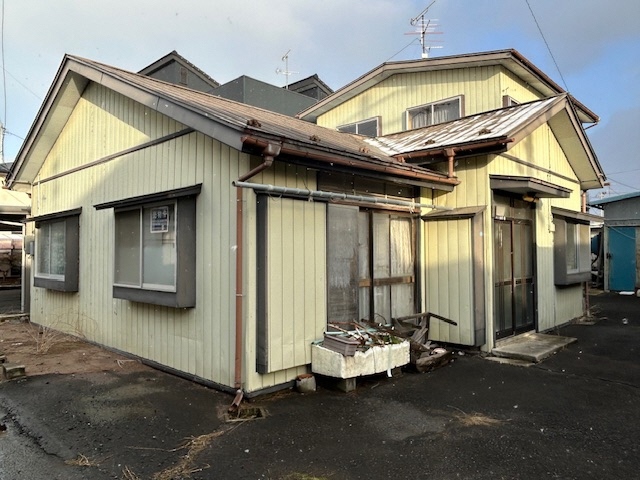
9DK Two-Story Wooden Home in Minato, Hachinohe with 217 sqm Land
Shiroganecho Hidariiwabuchiدوری, Hachinohe City, Aomori, Japan
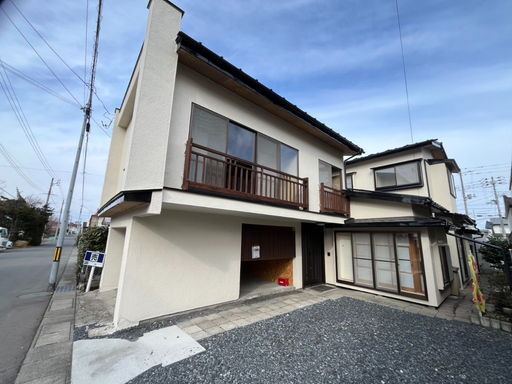
Move-In Ready Renovated Kominka with Garage in Neijo, Hachinohe — 5DK, 144 sqm
Neijo 6-chome, Hachinohe City, Aomori, Japan
Quiet Residential 5K Two-Story Home in Niida, Hachinohe with 165.8 sqm Land
Niida, Hachinohe City, Aomori, Japan