Renovatable Showa-Era 4DK Japanese Home in Hachinohe's Ōdate Area with 360 sqm Land
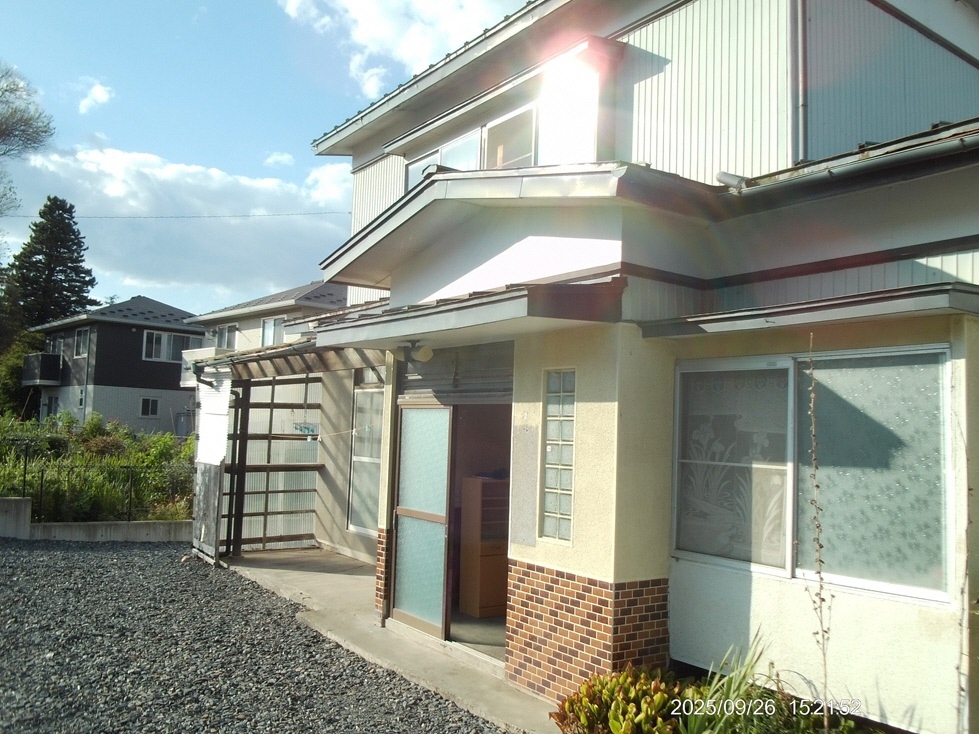
# A Showa-Era Home in Hachinohe That Actually Makes Financial Sense
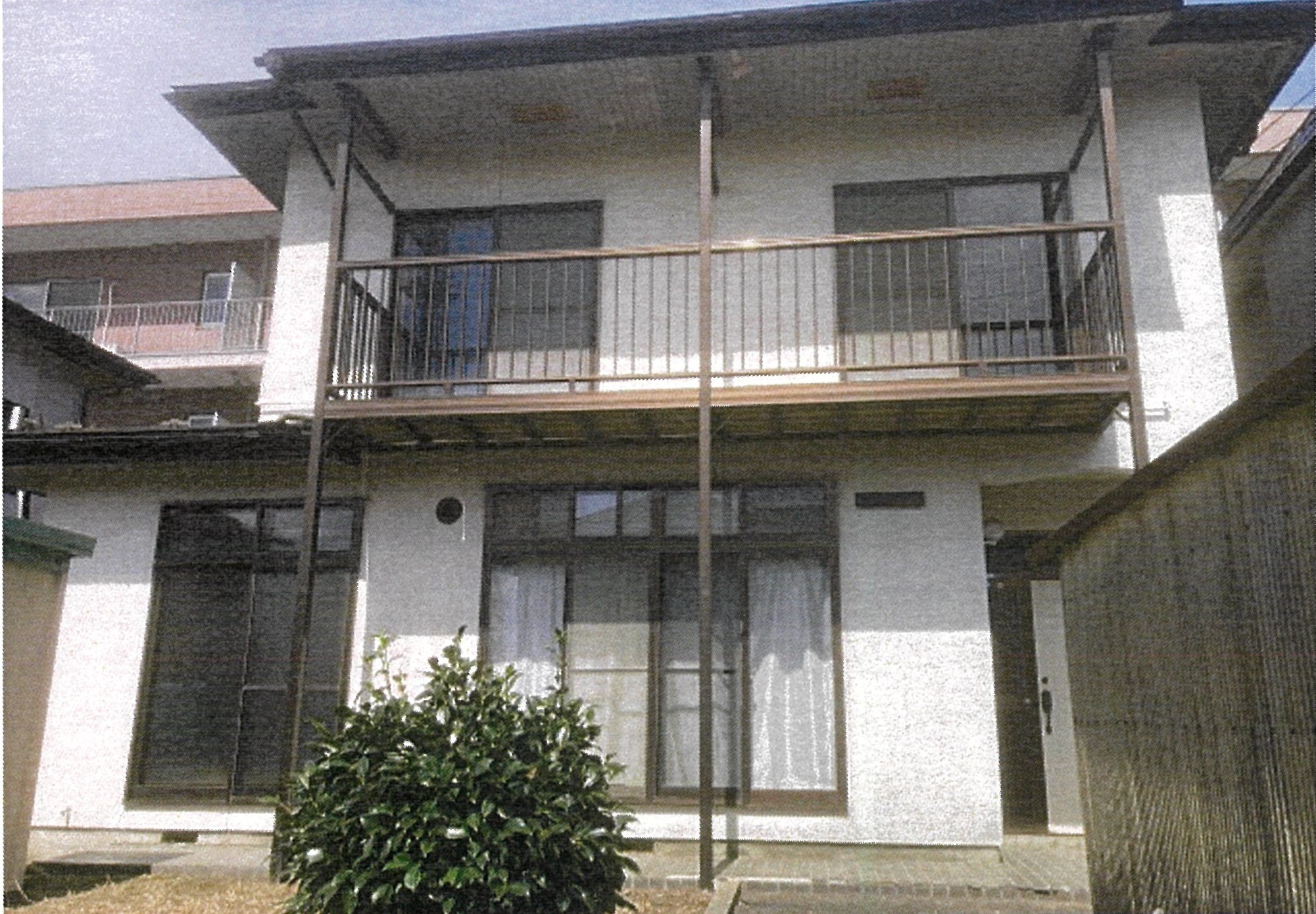
There's a certain kind of property that doesn't come along often in Japan's akiya market — one where the numbers work, the location functions, and the bones are worth saving. This 1972 wooden home in Hachinohe's Ōdate area is quietly making a case for itself on all three fronts. At under ¥10 million with over 360 square metres of land and a projected rental yield above 6%, it's the kind of listing that rewards buyers who look past the surface patina of a half-century-old house.
---
Hachinohe: More City Than You Might Expect
Hachinohe often flies under the radar compared to Aomori City or Hirosaki, but that undersells it considerably. It's the second-largest city in Aomori Prefecture, a working port town with a Shinkansen connection to Tokyo, and a genuinely functional urban infrastructure. The Ōdate neighbourhood — not to be confused with Ōdate City in neighbouring Akita — sits within that practical, workaday fabric.
This particular address in Niida Aza Takashita reflects that character well. Elementary and junior high schools are within a short walk. A municipal hospital and supermarkets are nearby. Two bus routes serve a stop three minutes from the front door. For a rural akiya, this is unusually well-connected — the kind of location where a family could actually live without constant car dependency, and where a tenant wouldn't feel stranded.
---
Who This Property Is Built For
This isn't a remote mountain retreat or a fantasy farmhouse for the Instagram aesthetic. It's a practical family home with legitimate rental potential, which means it suits a fairly specific buyer profile.
The most natural fit is someone wanting a residential foothold in Tohoku — perhaps a remote worker, a Japan resident relocating north, or a foreign buyer with long-term visa plans who wants livable space at a fraction of urban pricing. The four-bedroom layout handles a family comfortably, and the school proximity isn't incidental — it signals a neighbourhood with actual residents, not a depopulated fringe zone.
For investors, the 6.5% estimated gross yield is worth examining seriously. The surplus parking alone — the property fits up to five vehicles in an area where dedicated parking is scarce — opens a secondary income stream through monthly coin parking leases, a low-maintenance revenue model that's common and legally straightforward in Japanese residential areas.
---
Renovation: The Opportunity and the Honest Reality
Built in 1972, this house predates Japan's revised seismic building codes introduced in 1981. That's the single most important fact a buyer needs to absorb before getting excited about the aesthetics. The existing structure may or may not meet modern earthquake resistance standards — and in a country where seismic performance isn't a technicality but a lived concern, this demands a professional structural assessment, not a hopeful assumption.
That said, the property is listed as renovatable, and the generous land offers real flexibility. The seller specifically calls out the water and plumbing zones — kitchen, bathroom, laundry — as areas ripe for extension and reconfiguration. This is practical language that suggests the layout can evolve rather than constrain. Budget realistically: a full renovation of a 1970s wooden home in Tohoku, including seismic reinforcement if needed, can run anywhere from ¥3 million for cosmetic work to ¥10 million or more for comprehensive structural upgrades. Factor that into your total cost equation, not just the purchase price.
An in-person inspection is non-negotiable here. The listing itself notes that photographs and drawings may not reflect current conditions — a standard disclosure that nonetheless carries real weight for a building of this age.
---
The Broader Akiya Picture — And Why This One Stands Out
Japan has millions of vacant homes, but the vast majority are either in locations too remote to be useful, in states too deteriorated to be salvageable, or priced with an optimism disconnected from reality. This Hachinohe listing sidesteps most of those pitfalls. The city infrastructure is real. The land is generous. The price leaves room for renovation costs. The yield projection, if achievable, represents genuine return on a modest investment.
It's not without risk — no 50-year-old wooden house is — but it's the kind of risk that due diligence can quantify rather than fear.
If this property matches your vision for life or investment in northern Japan, explore the full listing details and connect with us at japancheaphouses.com to begin your inquiry through the appropriate channels.
Interested in this property?
See the full specs, photos, exact location on the map, and contact us about viewing or buying.
View Full Listing →More properties in Aomori
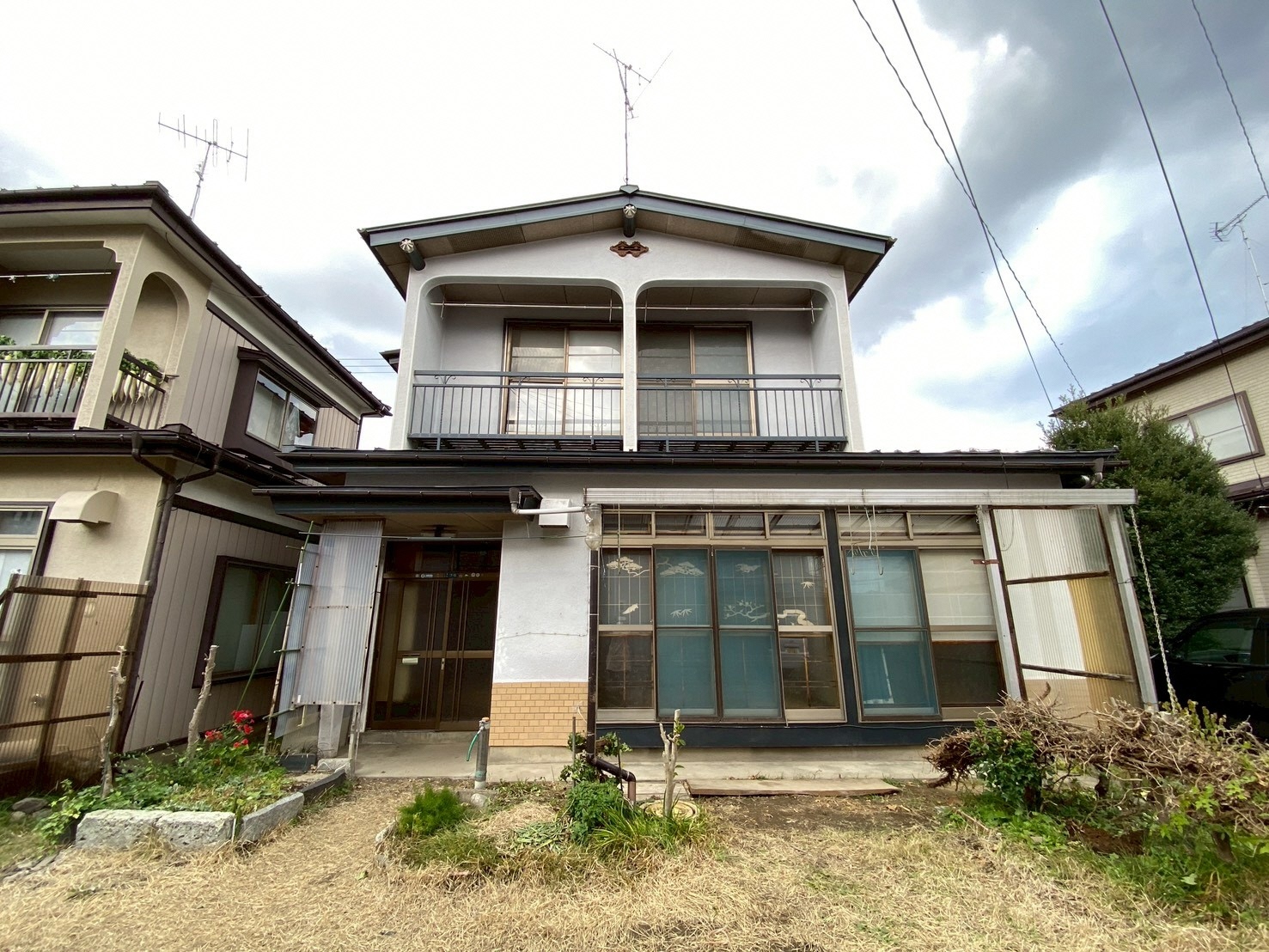
4DK Two-Story Wooden Home in Hachinohe Yoko 4-chome with 121 sqm Land
Yoko 4-chome, Hachinohe City, Aomori, Japan
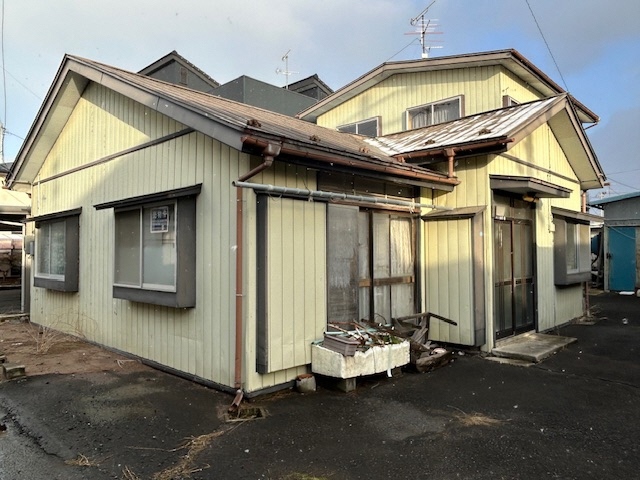
9DK Two-Story Wooden Home in Minato, Hachinohe with 217 sqm Land
Shiroganecho Hidariiwabuchiدوری, Hachinohe City, Aomori, Japan
Move-In Ready Renovated Kominka with Garage in Neijo, Hachinohe — 5DK, 144 sqm
Neijo 6-chome, Hachinohe City, Aomori, Japan
Quiet Residential 5K Two-Story Home in Niida, Hachinohe with 165.8 sqm Land
Niida, Hachinohe City, Aomori, Japan