Showa Retro 4DK Two-Story Home in Hachinohe with Garden & 179 sqm Land
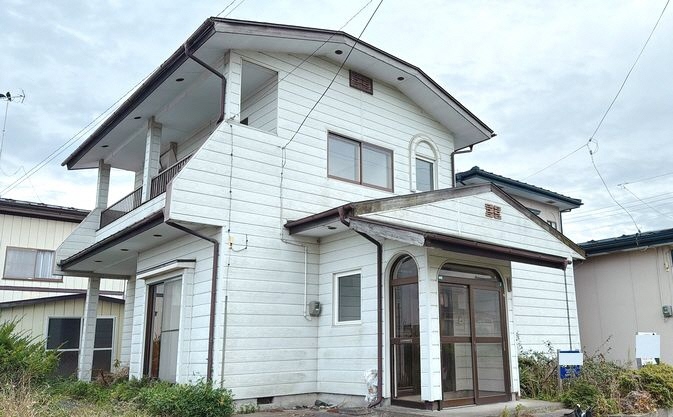
# Showa Charm Meets Northern City Living: A Retro 4DK in Hachinohe, Aomori
Imagine starting your morning in a sun-drenched entryway, light pouring through an east-facing window into a soaring double-height void above the staircase — and knowing you paid less for the entire house than most people spend on a used car. That's the quietly radical proposition sitting in Hachinohe's Jiriumachi neighbourhood right now.
---
Hachinohe: Aomori's Underrated Industrial City with a Surprisingly Liveable Core
Hachinohe doesn't get the glossy travel-magazine treatment that Hirosaki or Aomori City tends to attract, and that's precisely what makes it interesting for property buyers. This is a real, working city — home to one of Japan's most active fishing ports, a Shinkansen station connecting it to Tokyo in under three hours, and a population large enough to sustain genuine urban infrastructure. You're not buying into a depopulating hamlet here; Hachinohe has hospitals, universities, a cultural arts district, and a civic identity that locals take seriously.
The Jiriumachi area specifically sits in the kind of quiet residential fabric that Japanese cities do exceptionally well: walkable to daily necessities, calm enough for children to walk to school safely, and entirely unassuming in the best possible way. A nursery school and elementary school within a short walk, a supermarket and drugstore within fifteen minutes on foot — this is the unglamorous but genuinely functional neighbourhood life that many expat buyers in rural Japan discover they actually miss once they're deep in the mountains.
---
Who Is This Property Actually For?
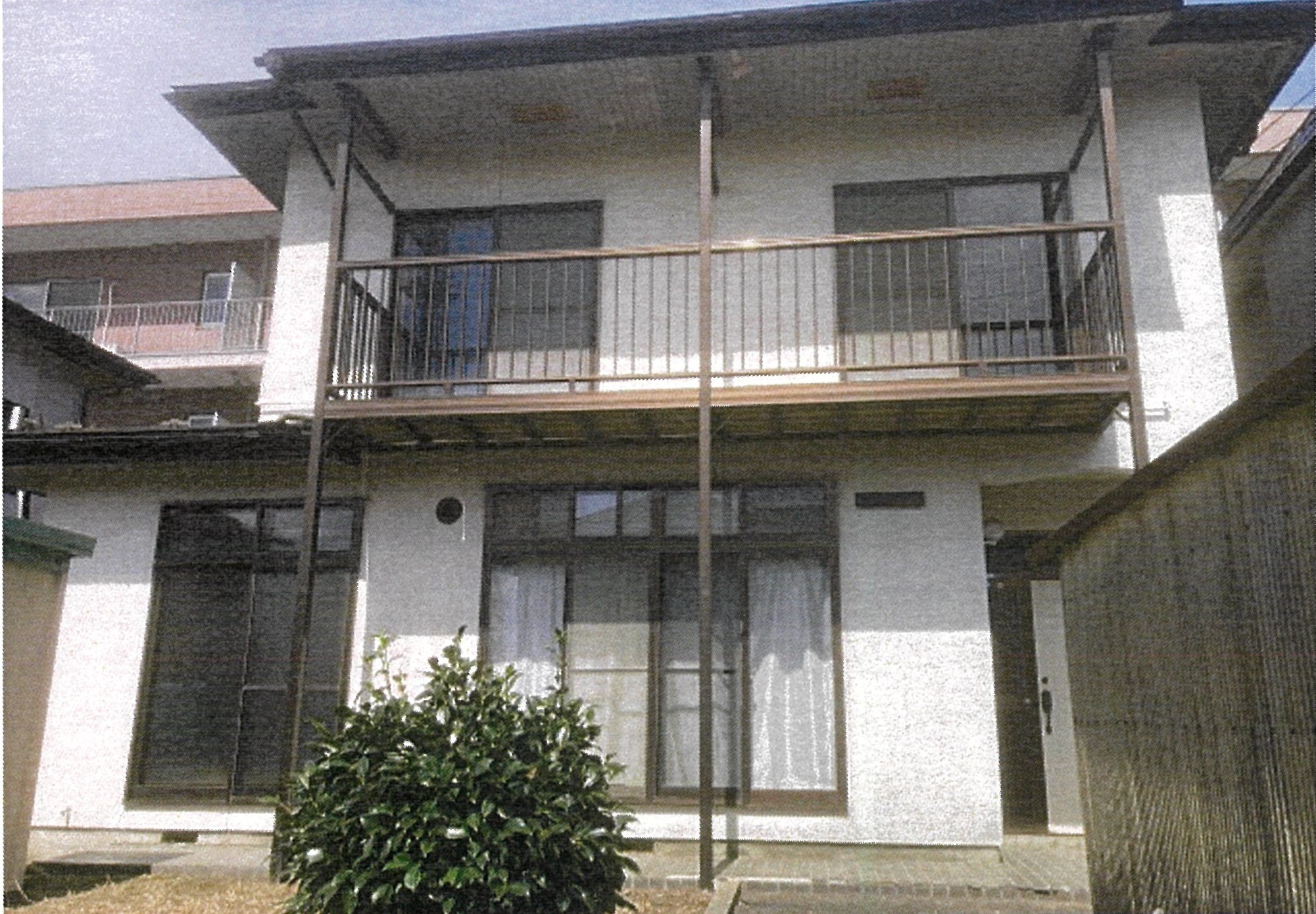
This is not an adventurous off-grid project. It's closer to the opposite: a structurally conventional two-storey wooden home on a tidy urban plot, offered at a price point that makes renovation financially viable without betting the farm. The 4DK layout across 93 square metres gives you meaningful room to work with — a family could live here comfortably, or a single buyer could use the extra rooms as a studio, a home office, or guest accommodation.
The Showa-era aesthetic — those arch-shaped interior fittings, the period wall tiles, the floor finishes that chain-store renovators would reflexively rip out — is genuinely rare and increasingly desirable. There's a growing appetite, both among Japanese residents and foreign buyers, for homes that *look like something*, and this one does. A buyer who recognises that and leans into it rather than erasing it with white paint and ikea shelving could end up with something that photographs beautifully and rents or resells in a market increasingly bored of generic refurbs.
The estimated gross yield sits at 6.5%, which is credible for a Hachinohe rental market that serves port workers, university staff, and young families priced out of newer builds.
---
Renovation Realities: What a 1982 Wooden Build Actually Means
Let's be honest about what forty-plus years and a northern Japanese climate can do to a wooden structure. Aomori winters are serious — heavy snowfall, freeze-thaw cycles, and persistent moisture are the default conditions, not exceptional ones. The listing itself flags that a thorough structural inspection is *strongly recommended*, and that's advice worth taking literally rather than treating as boilerplate.
Before budgeting for the fun stuff — restoring those arched fittings, refinishing period floors — a sensible buyer will want a professional inspection covering the roof, any signs of moisture intrusion or rot in the wooden frame, the condition of the foundation, and the state of plumbing and electrical systems. Japanese wooden homes of this era can be remarkably solid, but they can also conceal decades of deferred maintenance. Budget for surprises. The listing is explicit that actual current condition takes precedence over any photographs or drawings, which is standard disclosure language but worth internalising before you fall in love with the pictures.
The south-facing garden is a genuine asset — solar gain in a cold climate isn't decorative, and growing your own vegetables against a Tohoku winter backdrop has its own particular satisfaction.
---
The Broader Akiya Picture — and Why Hachinohe Is a Smarter Bet Than You Might Think
Japan's akiya phenomenon is real, well-documented, and often misrepresented. The headline numbers — millions of vacant homes, prices approaching zero — obscure the fact that the *genuinely functional* properties in *genuinely liveable* locations don't stay cheap forever. Hachinohe's Shinkansen access and real urban infrastructure put it in a different category from true rural depopulation zones. Buying here at this price feels less like speculation and more like recognising value before the wider market catches up.
Curious about what life in northern Japan's most underrated city actually looks like — and whether this particular Showa-era home could be the one? Browse the full listing details, floor plans, and photographs at japancheaphouses.com, and reach out through the site to start a conversation. Properties listed through municipal akiya banks move on local timelines — waiting rarely works in your favour.
Interested in this property?
See the full specs, photos, exact location on the map, and contact us about viewing or buying.
View Full Listing →More properties in Aomori
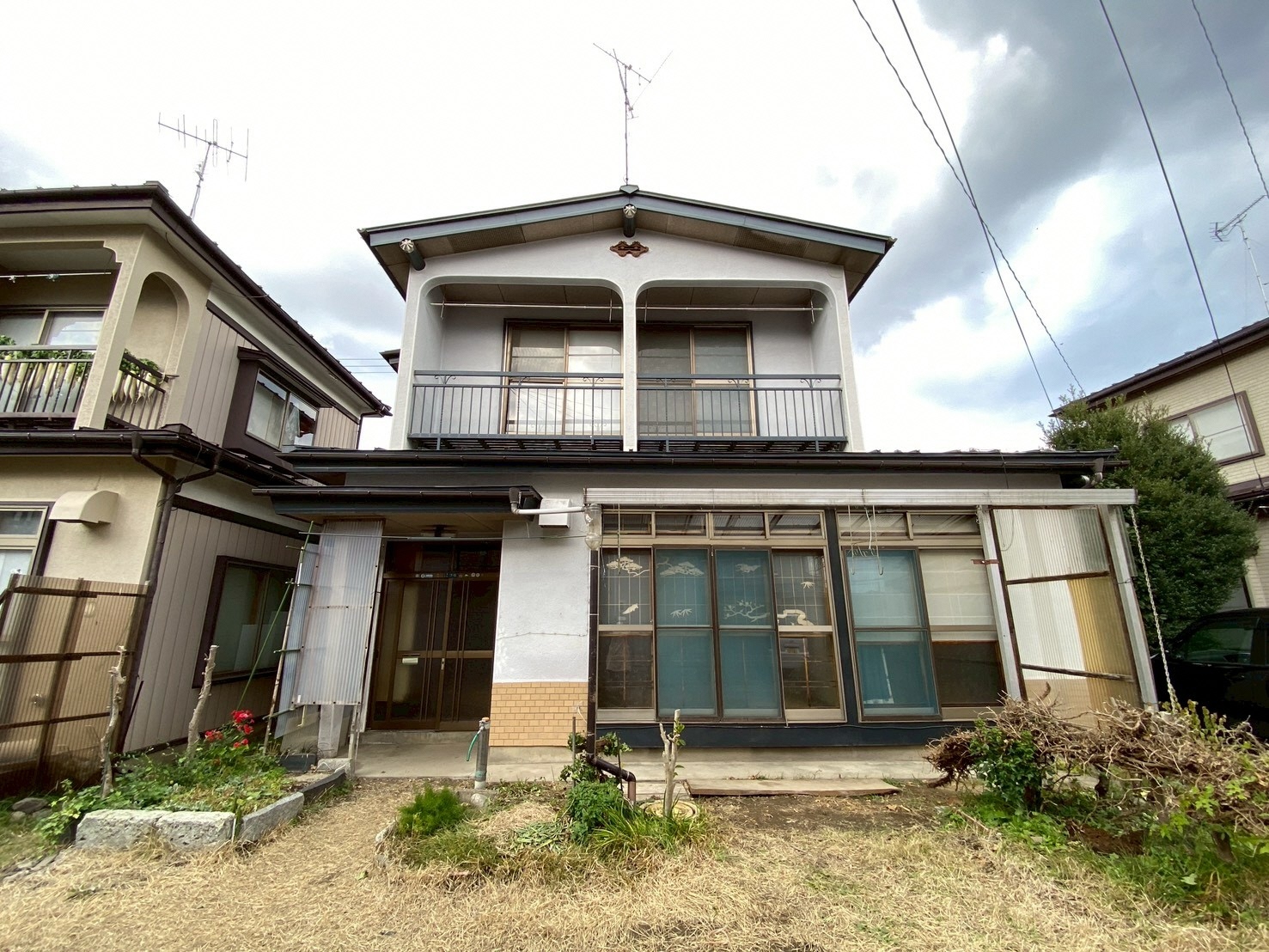
4DK Two-Story Wooden Home in Hachinohe Yoko 4-chome with 121 sqm Land
Yoko 4-chome, Hachinohe City, Aomori, Japan
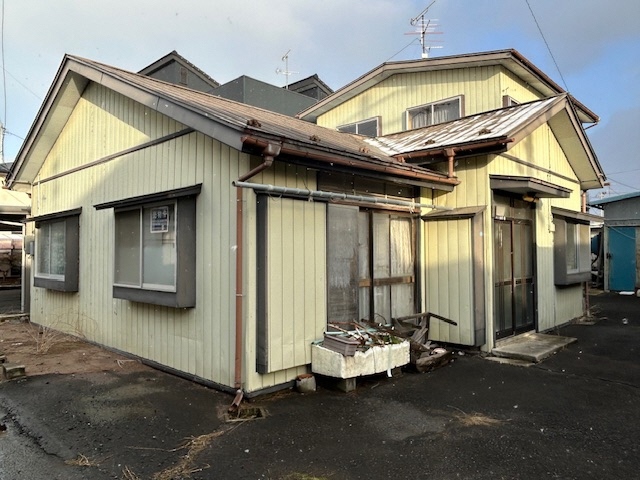
9DK Two-Story Wooden Home in Minato, Hachinohe with 217 sqm Land
Shiroganecho Hidariiwabuchiدوری, Hachinohe City, Aomori, Japan
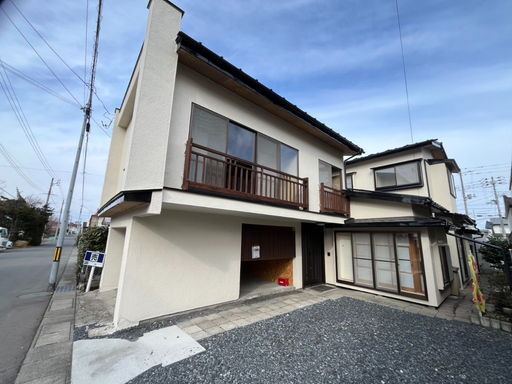
Move-In Ready Renovated Kominka with Garage in Neijo, Hachinohe — 5DK, 144 sqm
Neijo 6-chome, Hachinohe City, Aomori, Japan
Quiet Residential 5K Two-Story Home in Niida, Hachinohe with 165.8 sqm Land
Niida, Hachinohe City, Aomori, Japan