Spacious 8LDK Two-Story Wooden Home in Same, Hachinohe with 484 sqm Land
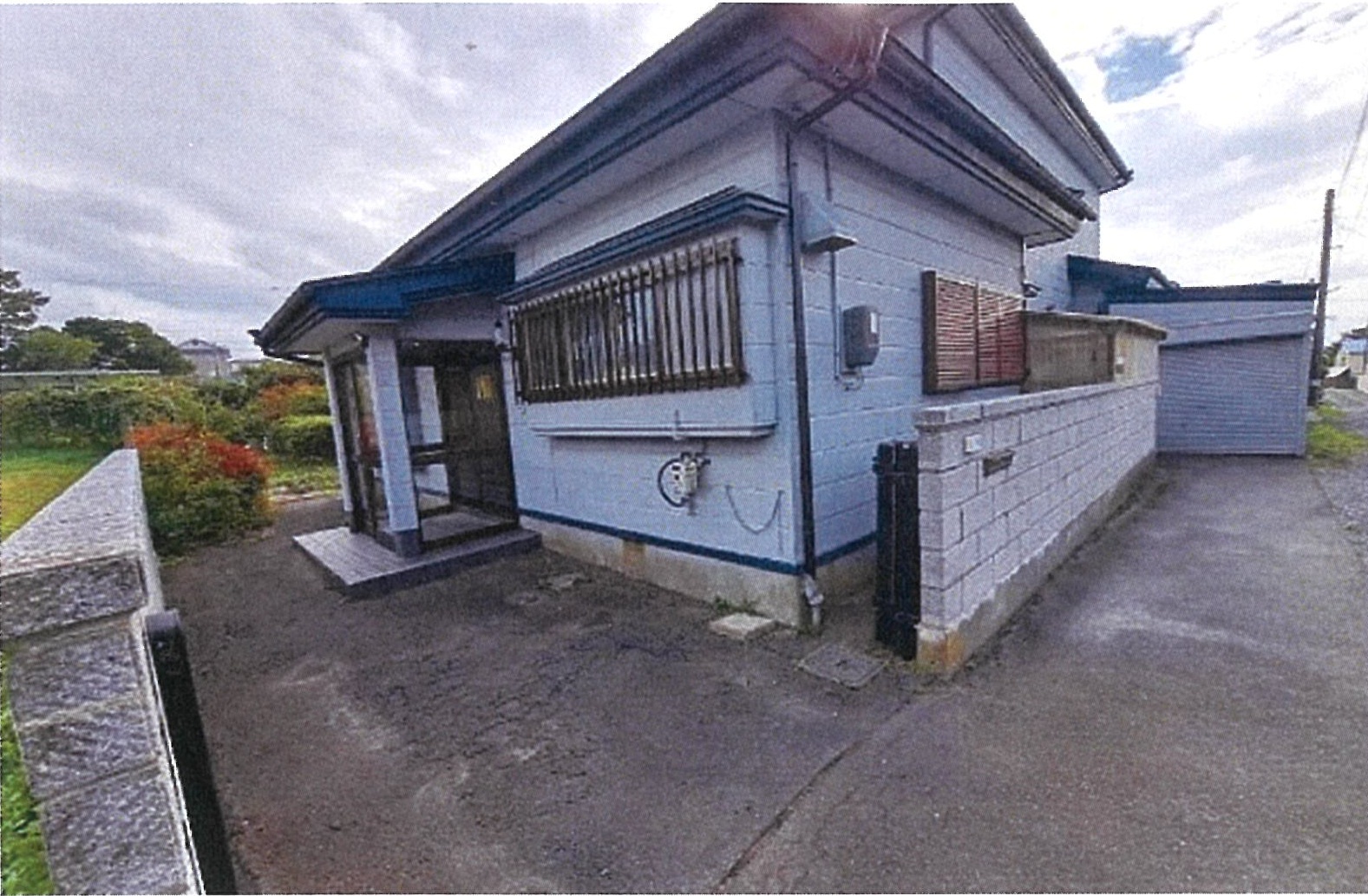
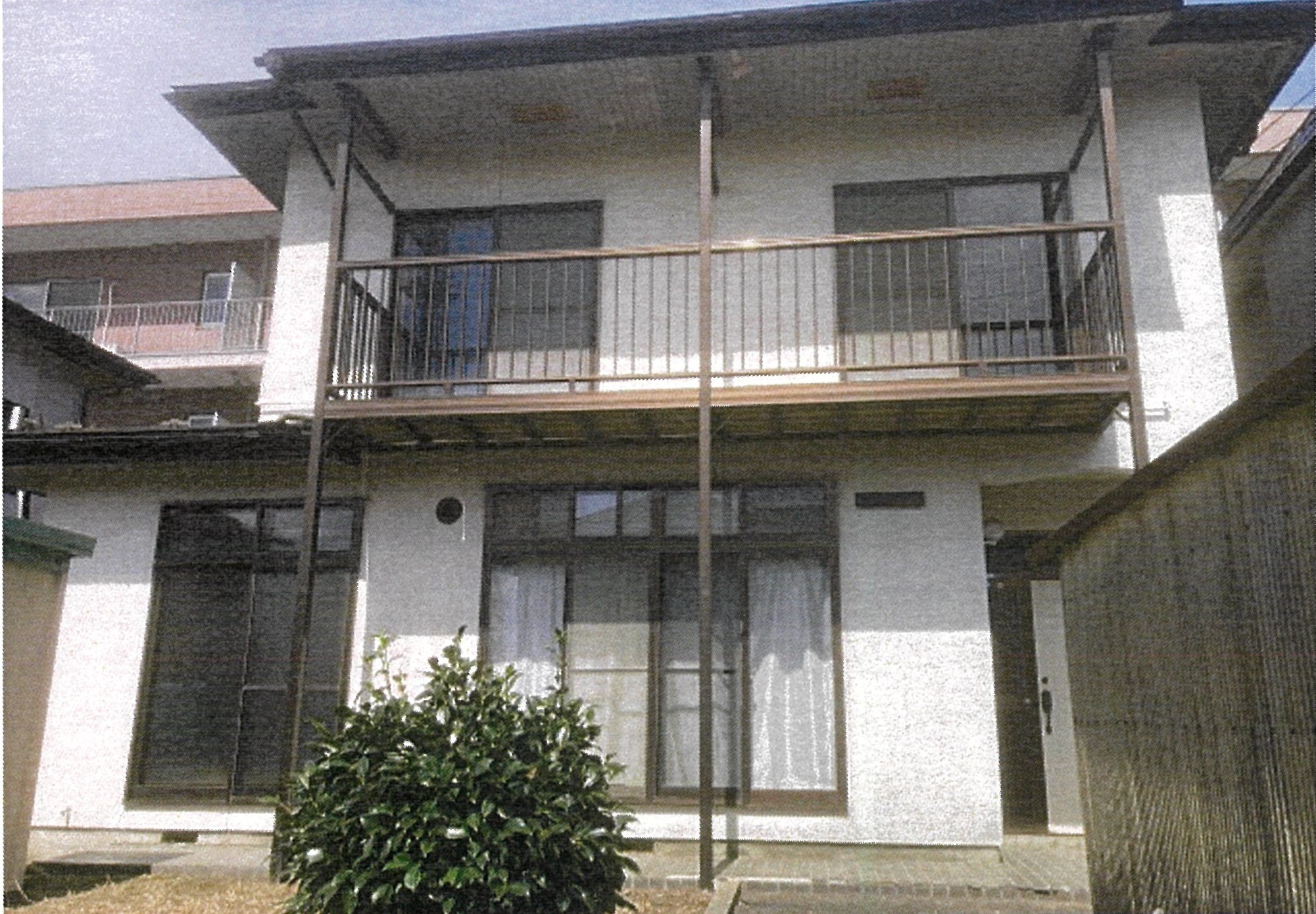
# A Spacious 8LDK Family Home Near the Sea in Hachinohe — Big Space, Bigger Opportunity
Imagine waking up in a generously proportioned two-storey home, your underfloor heating quietly doing its job against an Aomori winter morning, with your children's school just a few minutes' walk down the road and the Pacific coastline shaping the horizon of your daily life. For under ¥7 million — roughly the price of a used car in Tokyo — this is not a fantasy. It's a real listing on the Hachinohe Akiya Registry, and it deserves a serious look.
---
Same-Machi: Hachinohe's Coastal Neighbourhood With Quiet Depth
Same (pronounced *sa-me*) is a coastal district of Hachinohe City in southern Aomori Prefecture, and it carries a character quite distinct from the city centre. This is a working waterfront community — Same Port has historically been one of Japan's more active fishing harbours — but it has steadily evolved into a liveable residential neighbourhood with good transport links and local infrastructure. The Minamihama area nearby adds a quietly scenic quality, with the Pacific never far from view.
Hachinohe itself is one of Tohoku's more overlooked mid-sized cities, and that's arguably its greatest asset for foreign buyers. It has a functioning economy built around fisheries, manufacturing, and regional commerce. It has an international airport and Shinkansen access. And yet property prices remain dramatically below what you'd encounter in Sendai or any of Japan's larger urban centres. Same sits within this broader ecosystem — connected enough to be practical, removed enough to be genuinely affordable.
---
Who Is This Property Actually For?
Let's be honest: an 8LDK home with over 200 square metres of floor space is not a casual weekend retreat. This is a serious property for a buyer with a serious plan.
The most natural fit is a large family — possibly multigenerational — looking to relocate or semi-relocate to northern Japan. The proximity to both a primary and junior high school makes the day-to-day logistics of family life genuinely workable without a car, which is rare in rural Aomori. The underfloor heating in the wet areas is a meaningful detail, signalling that the home has already been adapted for cold-climate living rather than left as a summer-only proposition.
There's also a compelling case for buyers interested in generating income. The estimated gross yield of 8.5% suggests that with the right tenant profile — perhaps workers affiliated with Hachinohe's port industries, or a family wanting space at an affordable rent — the numbers could work as an investment. That said, rental demand in Same is not the same as rental demand in Sapporo or Fukuoka, so any yield projection should be stress-tested with local vacancy data before committing.
A third scenario worth considering: a small guesthouse or shared-living concept. Eight rooms across two floors, a large land plot, and proximity to the coast could appeal to operators looking for something distinctive in a region that sees meaningful domestic tourism around Hachinohe's seafood culture.
---
Renovation Expectations: Comfortable Starting Point, Not a Blank Cheque
The listing describes the interior as clean and well-maintained, which is a relatively encouraging starting point in the akiya world, where "liveable condition" often requires generous interpretation. The 1991 build date means the property is in its early thirties — old enough to warrant attention, young enough to avoid the most serious concerns that plague prewar or early postwar homes.
That said, buyers should approach any property of this era with methodical due diligence. A professional building inspection is non-negotiable. Japanese homes from the early 1990s may predate certain updated seismic standards introduced after the 1995 Kobe earthquake, and Aomori's heavy snowfall and humidity cycles are hard on wooden structures over time. Roofing condition, the state of exterior cladding, and the integrity of the foundation should all be assessed independently. No structural defects or legal encumbrances were flagged in the listing materials, but absence of disclosure is not the same as absence of issues.
Budget conservatively for upgrades to kitchens, bathrooms, and insulation to modern standards — particularly if you're aiming at a rental or hospitality use case.
---
The Broader Akiya Moment — And Why Hachinohe Makes Sense Right Now
Japan's vacant home crisis continues to deepen across rural and semi-rural areas, and Aomori Prefecture sits near the top of national depopulation statistics. That sounds bleak, but for buyers with long time horizons and genuine enthusiasm for Japanese regional life, it translates into extraordinary value per square metre. Properties like this one — large, structurally intact, in a real community with real amenities — are becoming harder to find as awareness of the akiya opportunity grows globally.
Hachinohe's relative infrastructure resilience, its port economy, and its Shinkansen connection give it a durability that more purely agricultural or remote communities cannot always claim. This isn't a speculative bet on revival — it's a grounded purchase in a place that continues to function.
If an eight-room wooden home on the Aomori coast at this price point has caught your attention, head over to japancheaphouses.com to view the full listing details, floor plans, and photographs — and take the first step toward making it yours.
Interested in this property?
See the full specs, photos, exact location on the map, and contact us about viewing or buying.
View Full Listing →More properties in Aomori
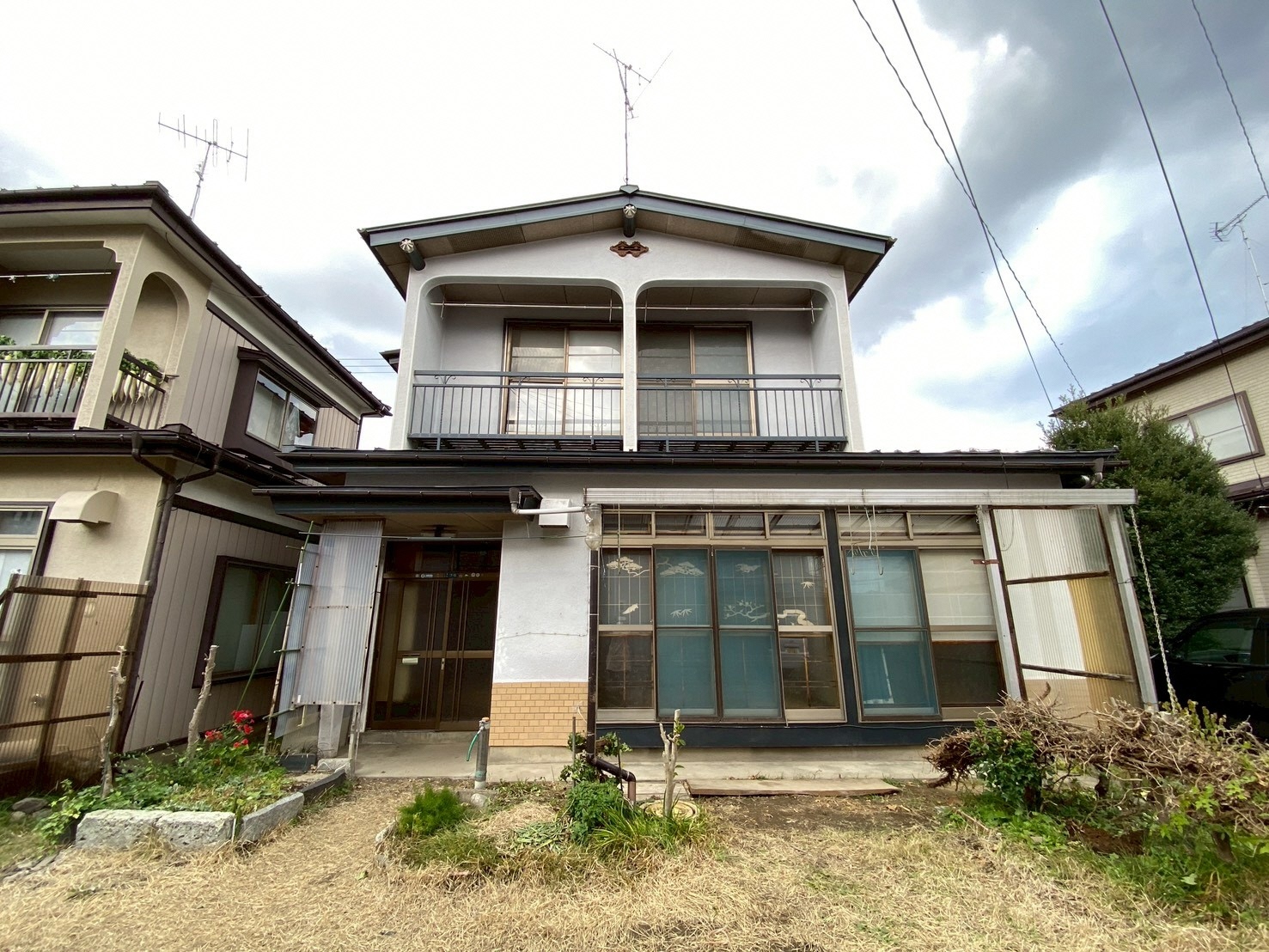
4DK Two-Story Wooden Home in Hachinohe Yoko 4-chome with 121 sqm Land
Yoko 4-chome, Hachinohe City, Aomori, Japan
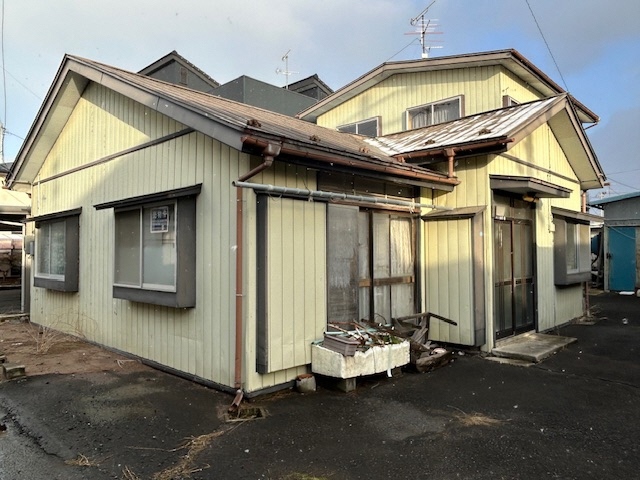
9DK Two-Story Wooden Home in Minato, Hachinohe with 217 sqm Land
Shiroganecho Hidariiwabuchiدوری, Hachinohe City, Aomori, Japan
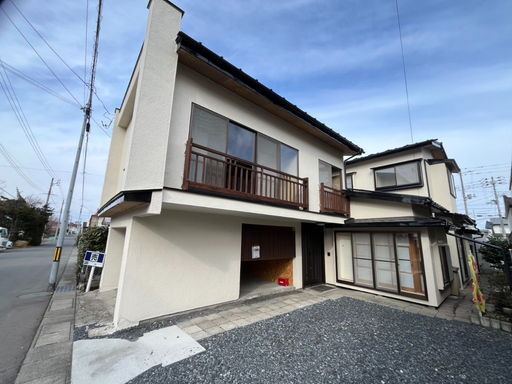
Move-In Ready Renovated Kominka with Garage in Neijo, Hachinohe — 5DK, 144 sqm
Neijo 6-chome, Hachinohe City, Aomori, Japan
Quiet Residential 5K Two-Story Home in Niida, Hachinohe with 165.8 sqm Land
Niida, Hachinohe City, Aomori, Japan